


Inside the Deadly Collapse of Maternity Care in Afghanistan
Amid USAID cuts and Taliban restrictions, we find clinics closing, midwives disappearing, and women dying.

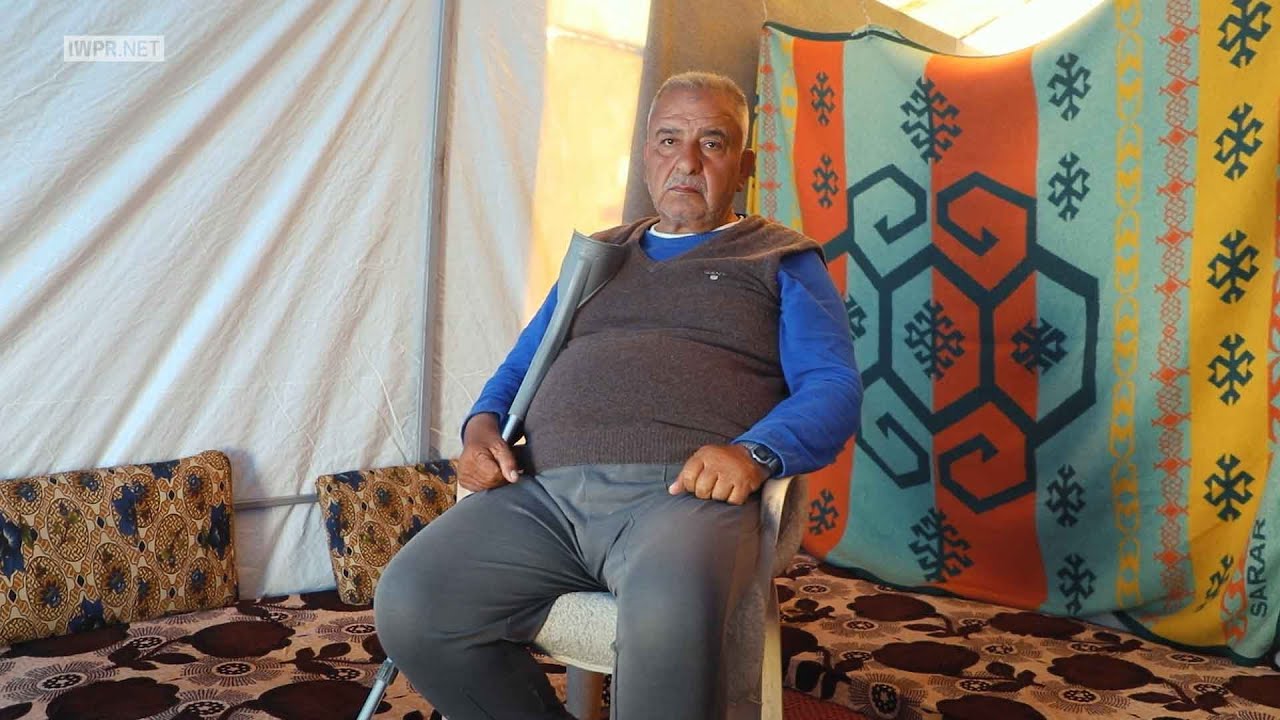
Inside Afghanistan’s Maternal Mortality Crisis

Inside the Deadly Collapse of Maternity Care in Afghanistan
Amid USAID cuts and Taliban restrictions, we find clinics closing, midwives disappearing, and women dying.

Vanished: Enforced Disappearances in Suwayda
A year on, many families are still searching for answers about the fate of their loved ones.

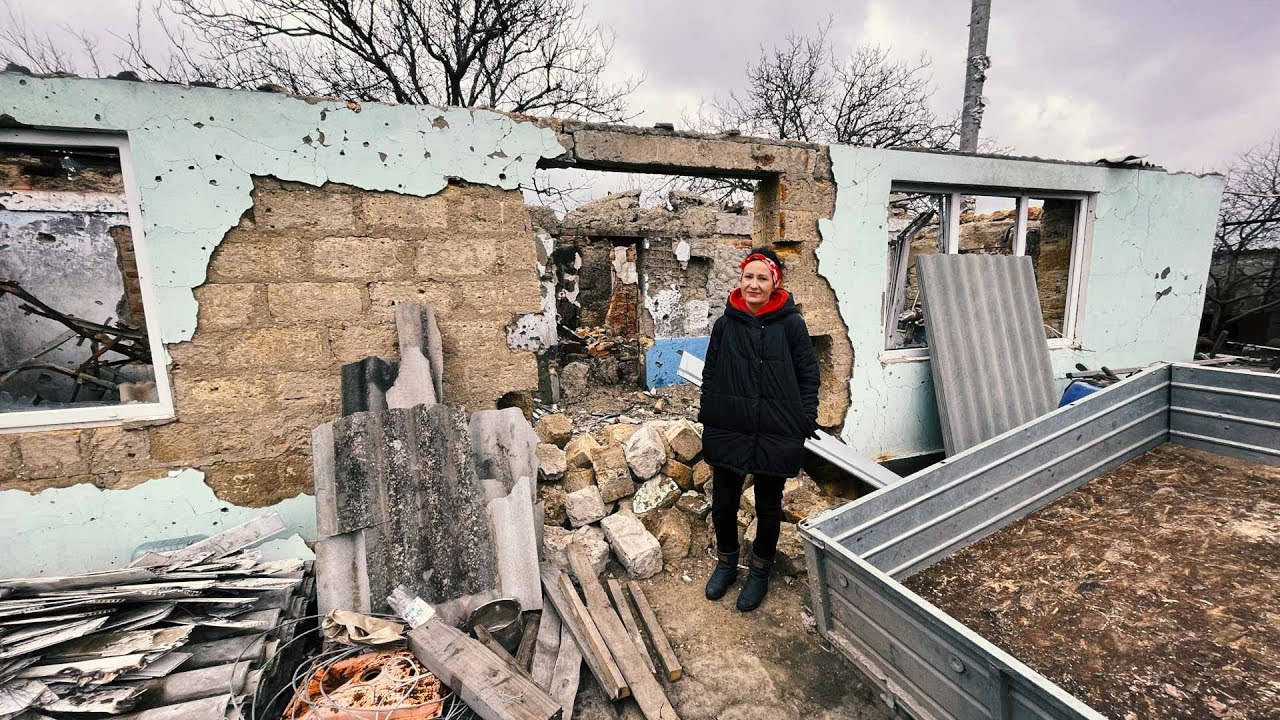
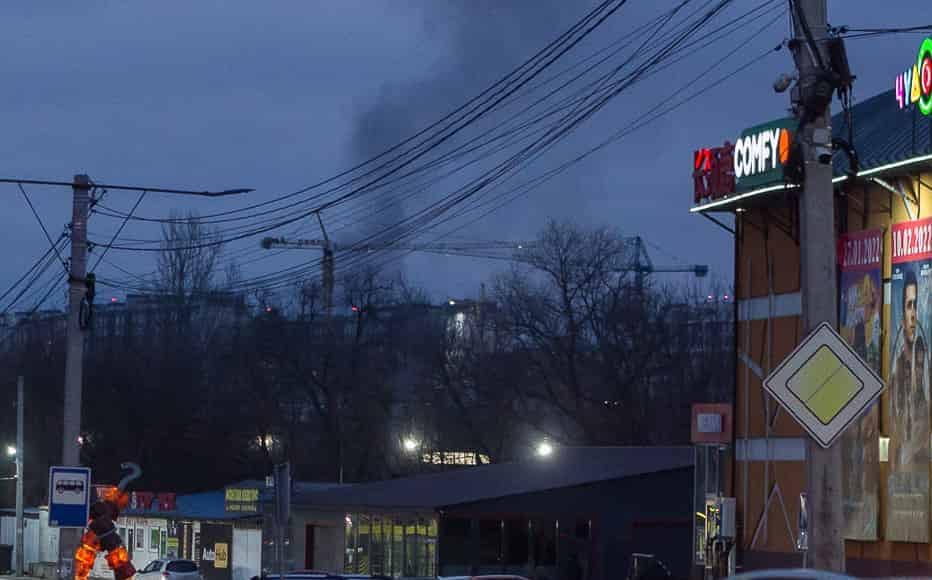
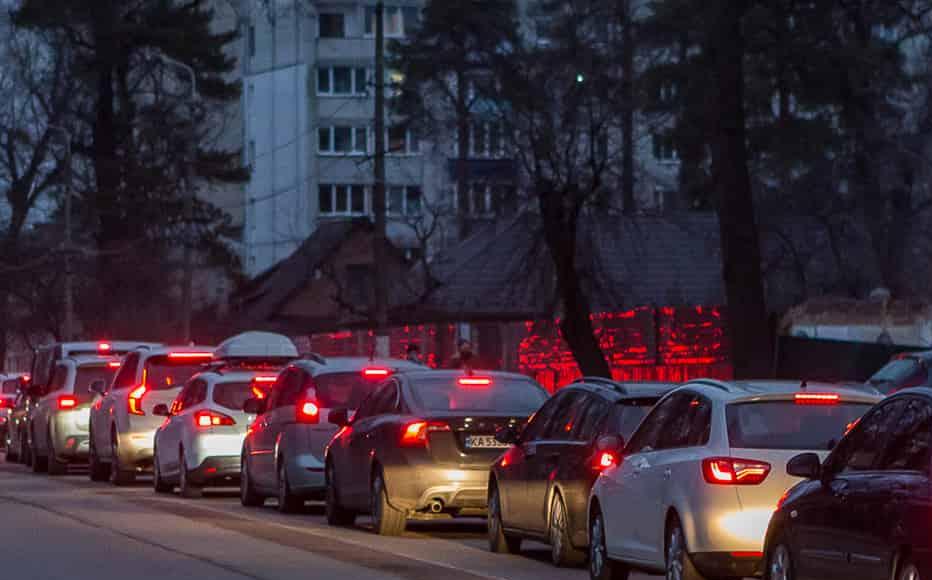
Ukraine: The Critical Infrastructure of Trust
Media and information must form integral elements of security, recovery and reconstruction.

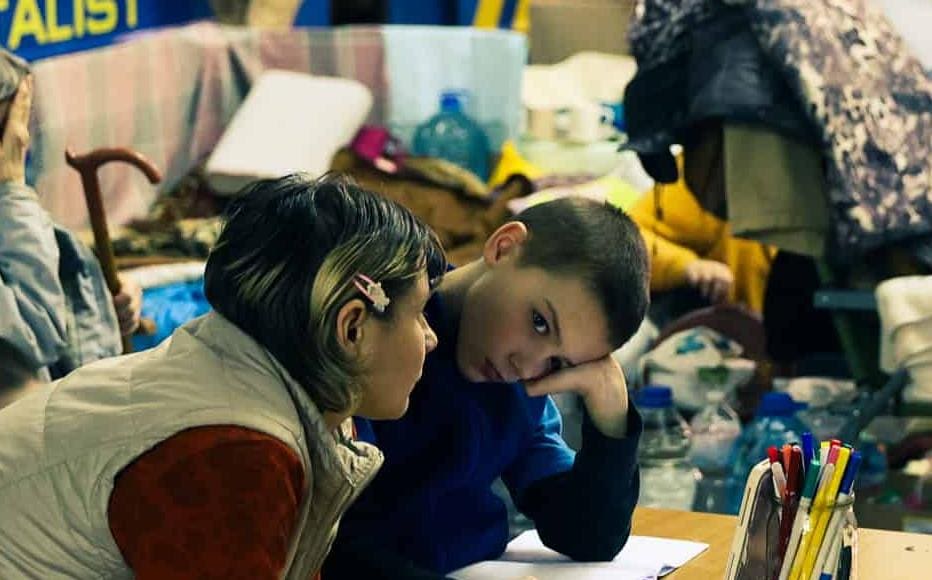
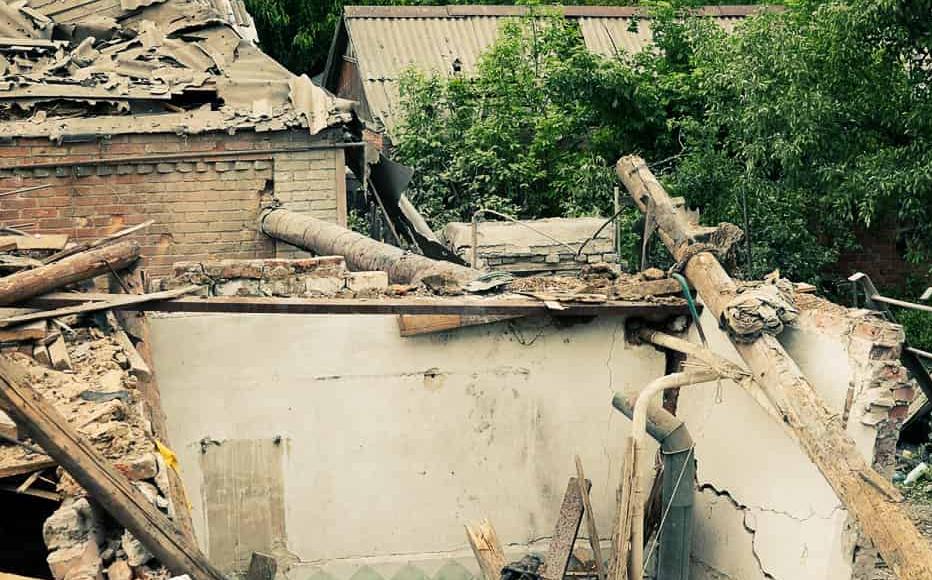
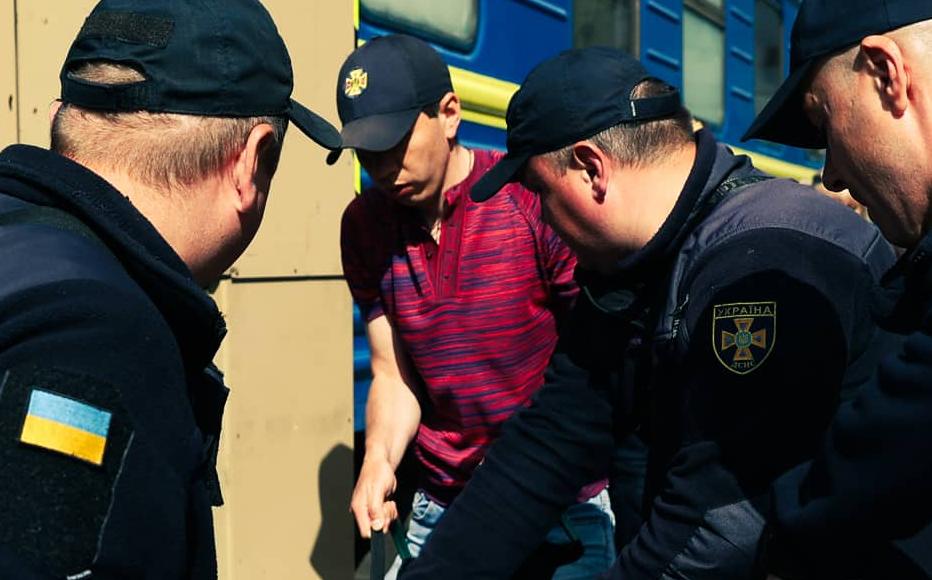
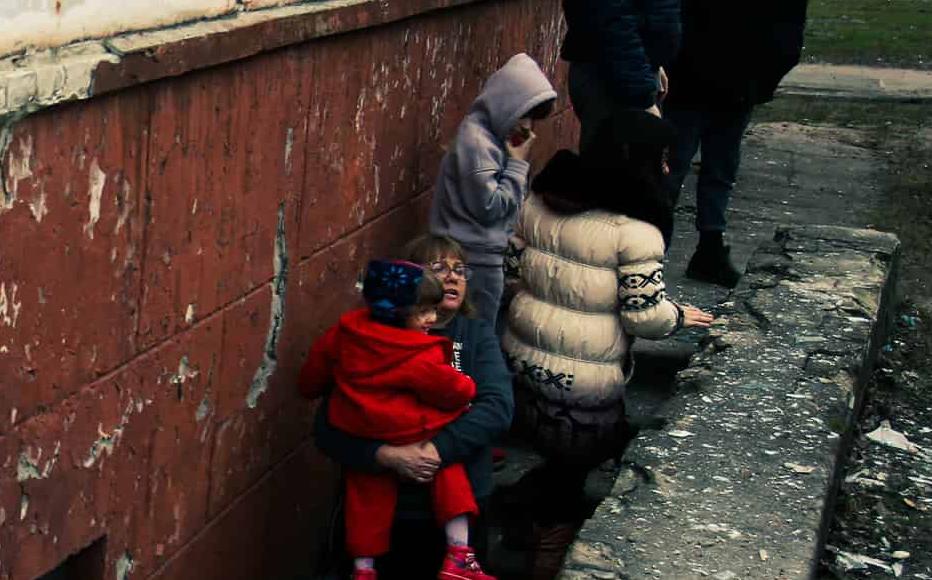
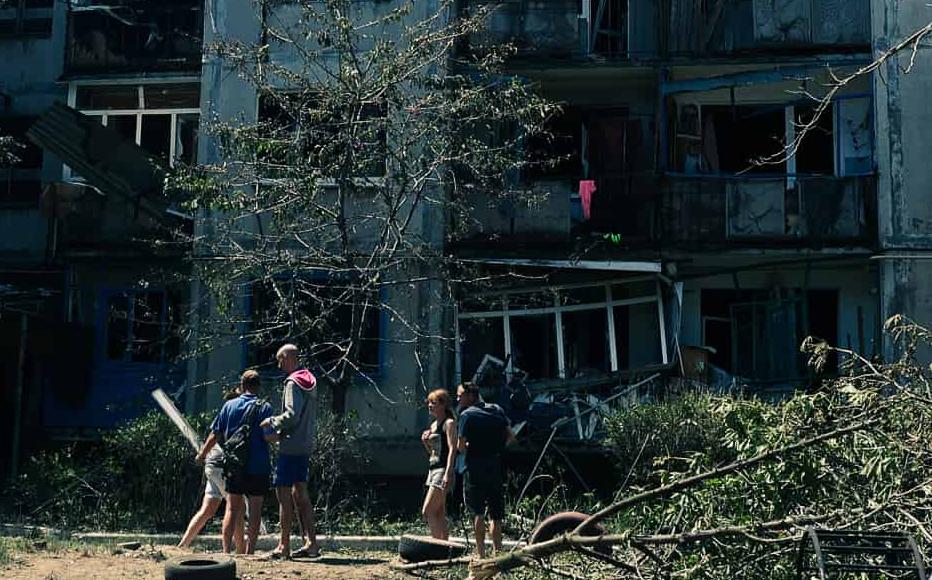
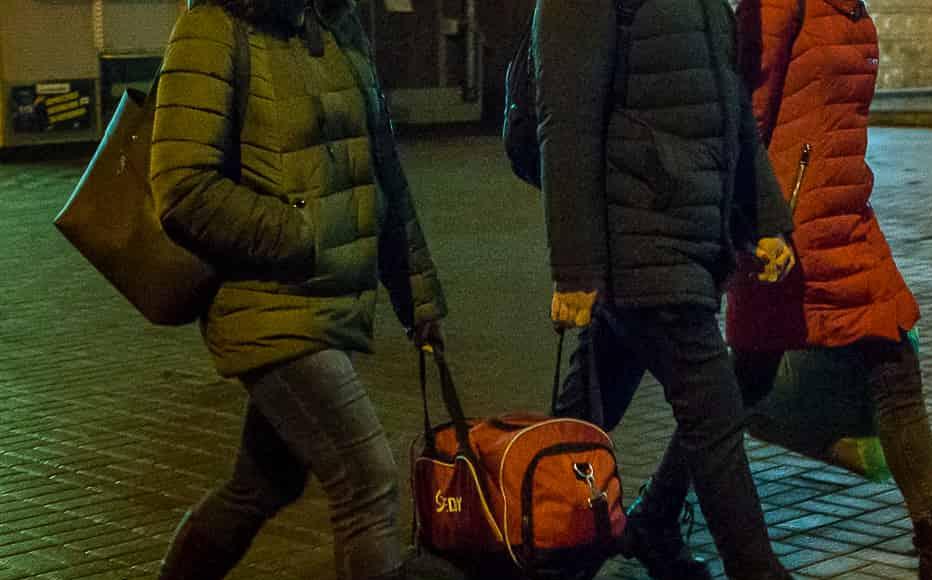
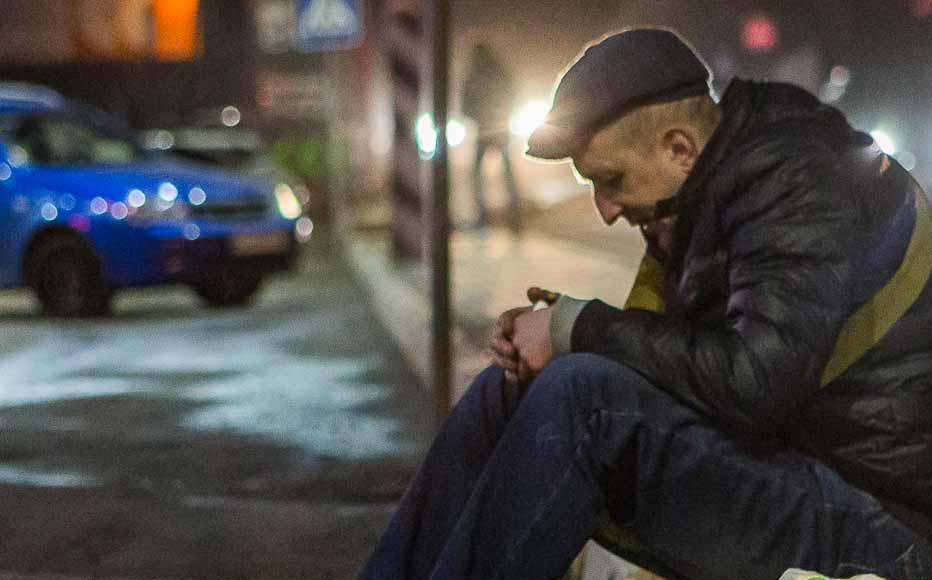
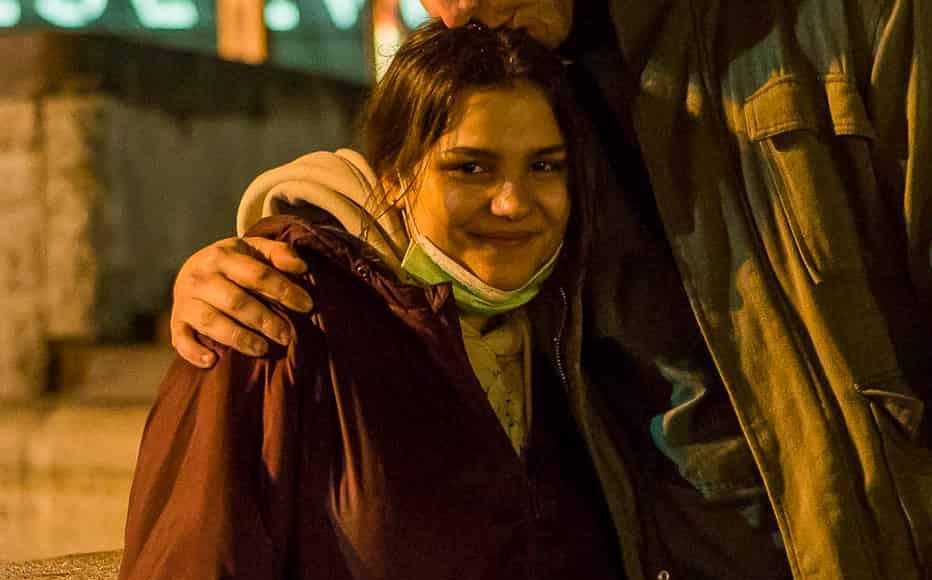
The Untold Stories of War
To truly understand the refugee crisis, we need to listen to those directly affected.

Tehran's Carnival of Resistance
In the centre of the Iranian capital, a nightly pro-regime rally has been going for nearly three months.

Fuel, Food and Fear: Philippines Faces Impact of Iran War
Conflict has sent shockwaves far beyond the Middle East, driving up oil prices, straining supply chains and interrupting crucial remittances.

El Salvador: Leaving to Survive, Staying to Resist
We speak to journalists and defenders of human and environmental rights about how their lives have come under threat.

Inside Afghanistan’s Maternal Mortality Crisis
Read about the devastating impact of US aid cuts on Afghan women.

Suwayda, One Year On
Read about efforts to find answers to the hundreds of civilians forcibly disappeared in the Suwayda clashes in southern Syria.

Remembering Srebrenica
In this week’s update, hear about the work done to memorialise the Srebrenica genocide and build a peaceful future.

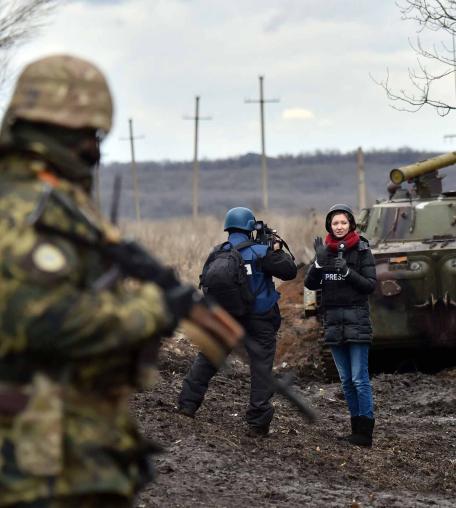
Ukraine: Documenting Justice
In this week’s update, read about the Ukrainian journalist reporting on the war crimes prosecutions affecting her own community.

Cuba’s Energy Crisis
In this week’s update, hear how ordinary Cubans are struggling to deal with the impact of prolonged fuel shortages.

World Refugee Day
In this week’s update, read about how journalism can unpack the complex realities behind the global refugee crisis.

Tehran’s Loyalty Pageant
In this week’s update, read about the complex truth behind Iran’s pro-regime demonstrations.

Ukraine’s Parallel Battle
IWPR support is helping Ukrainian media and civil society save millions of dollars from being lost to corruption.

Armenia’s Information Battlefield
Read about the Kremlin-led campaigns aimed at undermining trust in democracy ahead of pivotal Armenian elections.

World Press Freedom Day 2026

Gender-based Disinformation and Women’s Political Participation in Moldova

A Guide for Ukrainian Journalists


IWPR Latin America and the Caribbean




Voices for Moldova
Six-month project empowers trusted journalists, bloggers and influencers to shape a more resilient information environment.

Ukraine: Justice in Times of War
Kyiv event brings together media, human rights defenders and international experts to discuss ethical journalism and accountability.

From Cyber Experts to Cyber Trainers
Five-day event combines core security concepts with a focus on adapting content to suit diverse audiences.

Moldova: Civil Society and Media Synergies
IWPR event brings together regional stakeholders to share best practices in combating malign influence.

Peru Investigation Wins Award
Prize-winning story used an AI-powered search tool as well as on-the-ground reporting to identify clandestine airstrips linked to trafficking.

Syria Prisons Museum Opens in Damascus
Initiative combines physical exhibition with digital platform that uses state-of-the-art technology to memorialise sites and preserve testimony.

IWPR Story Wins Major Prize
Investigation uncovered the systematic human rights violations against Haitians in the Dominican Republic.

Moldova: Tackling Disinformation
Public trust, sustained engagement and local voices are key to the response.

Building Resilience: Romania’s Lessons for Moldova
Pro-European candidate faced coordinated propaganda and large-scale digital attacks ahead of critical polls.

Moldova: Mapping Change Through Collaboration
"Resilience isn’t fixed; it’s a continuous process that we strengthen through dialogue and community.”

Meet the Winners of Influencer Academy Moldova
“The most important part of this course was learning how to fight fake news—but do it with humour.”

Moldova: Speaking Truth With Humour
“With elections approaching, we are seeing manipulation in politics and community discussions.”

Moldova’s Young Content Creators Tackle Disinformation
Meet the young creators shaping their online information space.

Moldova: Fighting Fake News Where It Matters Most
“When it comes to disinformation – prevention is always better than cure.”

Armenia: Women, Peace and Security
For the first time, civil society groups have directly contributed to building future government strategies.

Turkey: “Our Job is About Patience and Persistence”
Istanbul panel spotlights the rising tide of gender-based disinformation and strategies to build resilience.
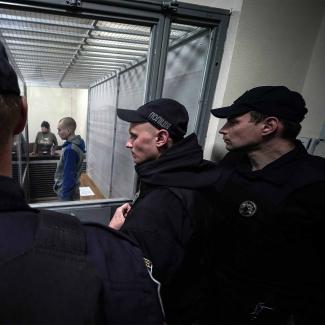
A Guide for the Ukrainian Public
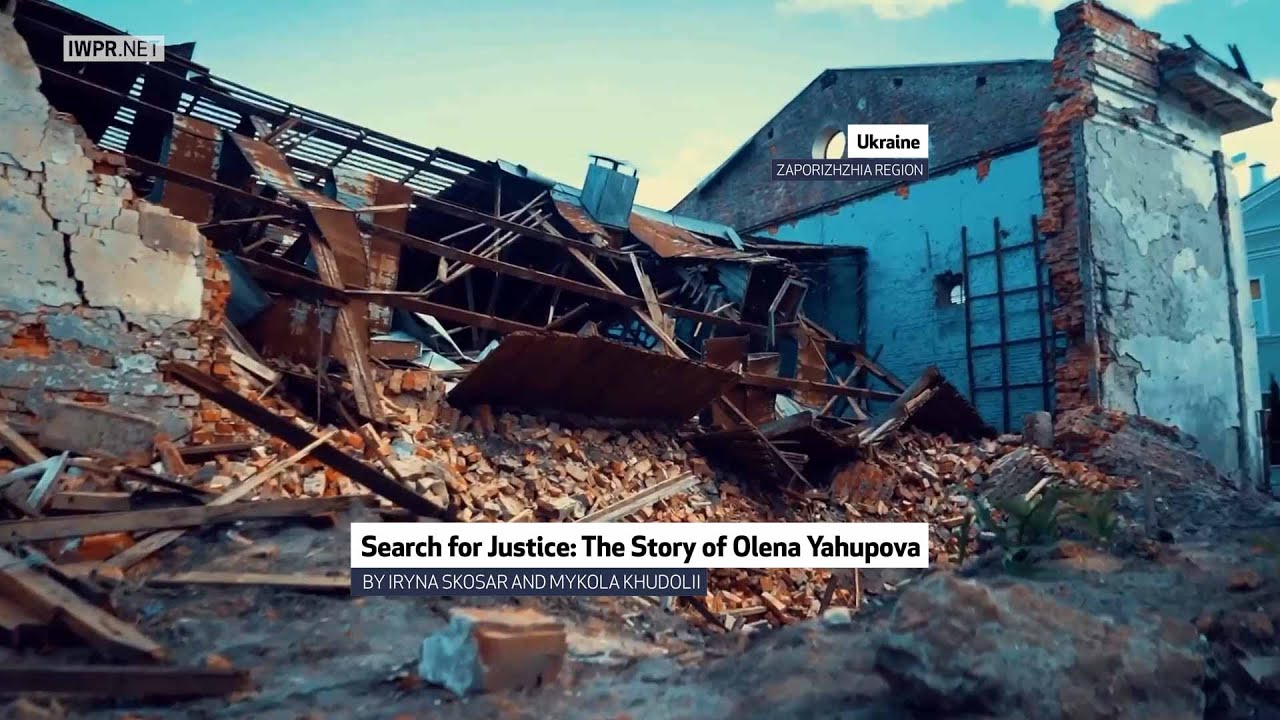
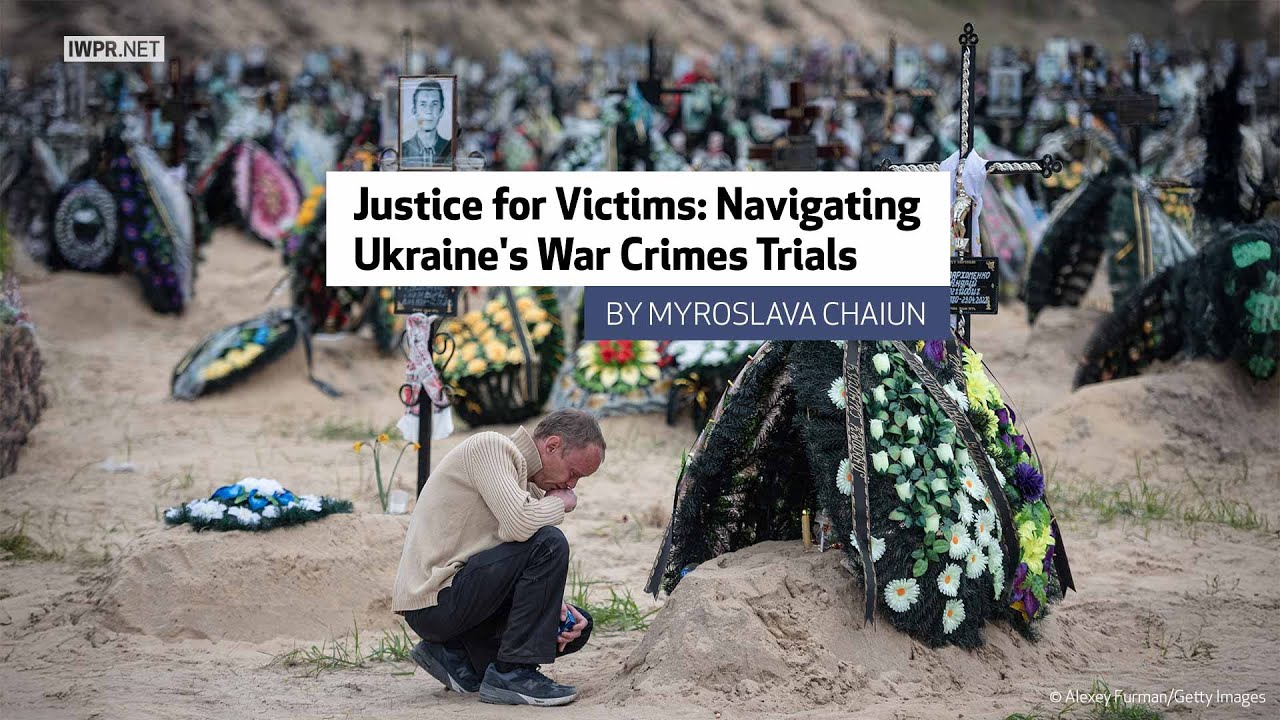
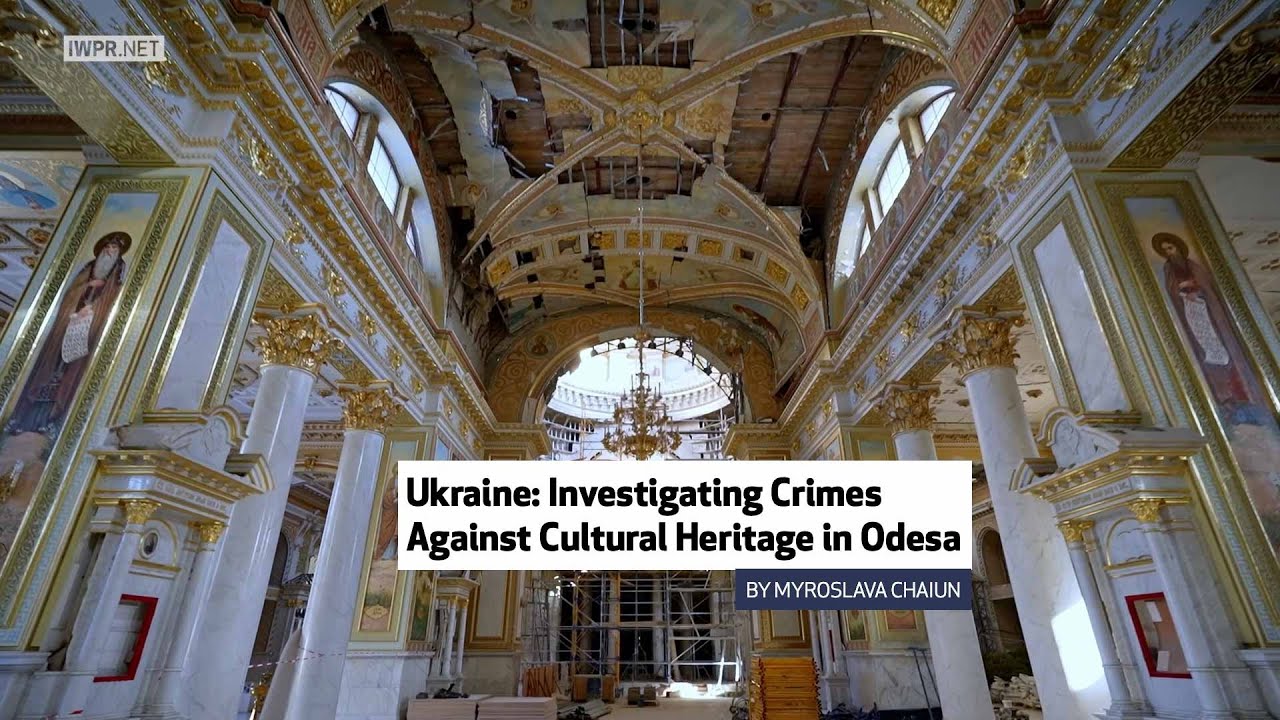
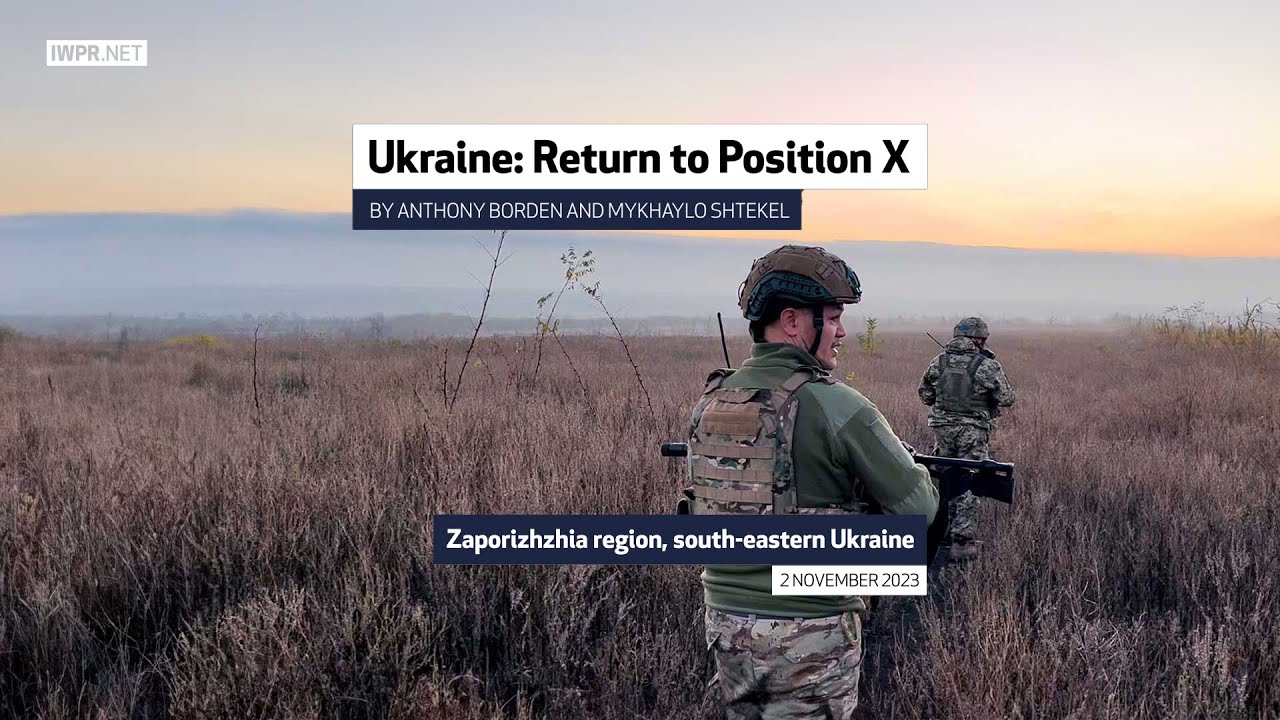
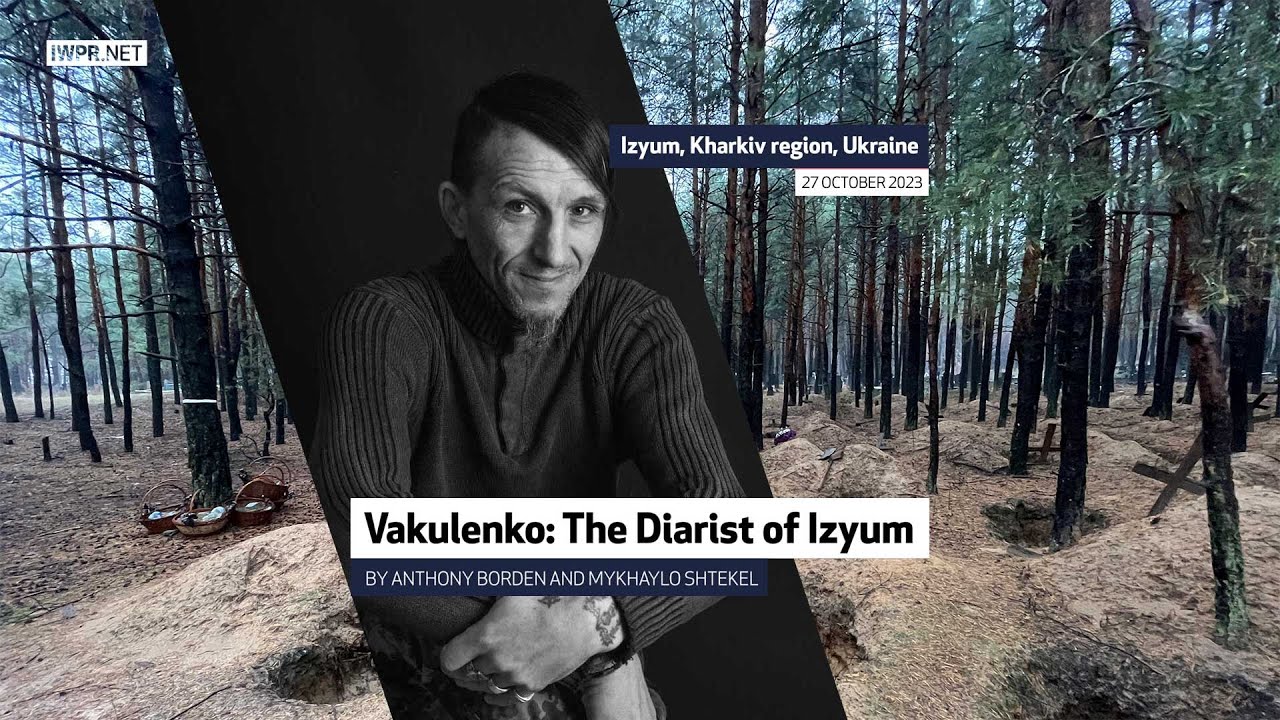
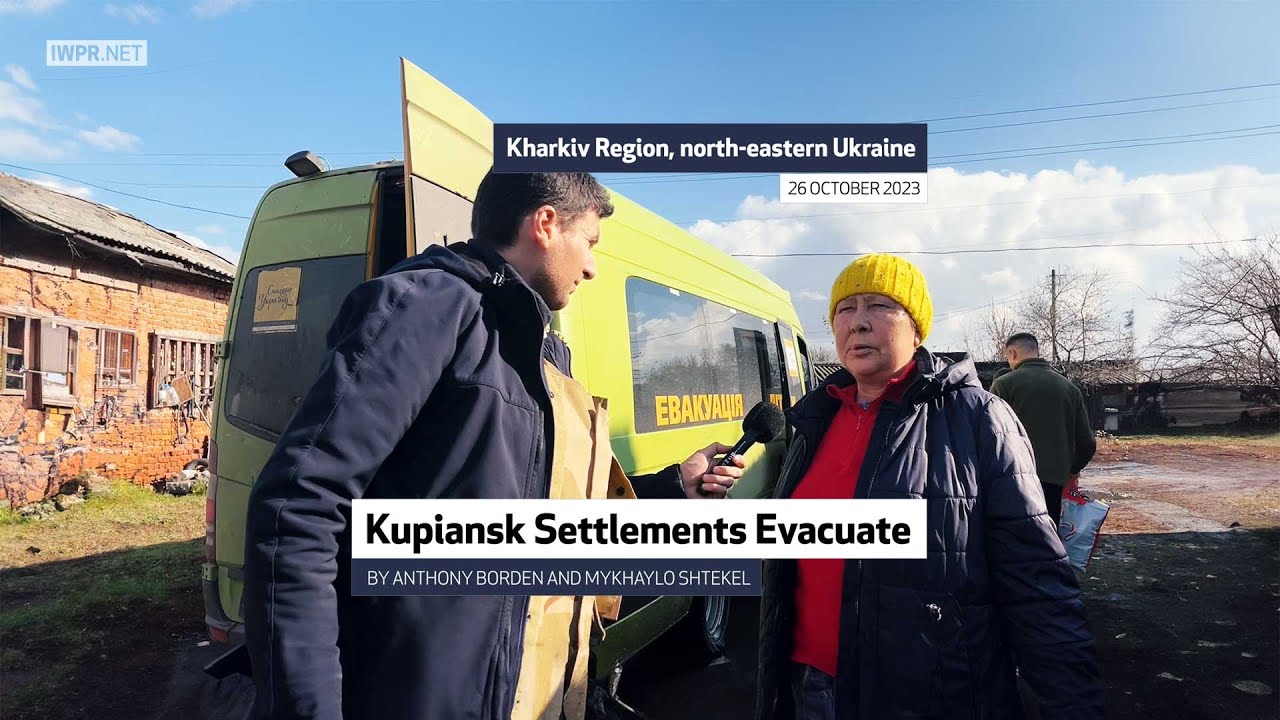
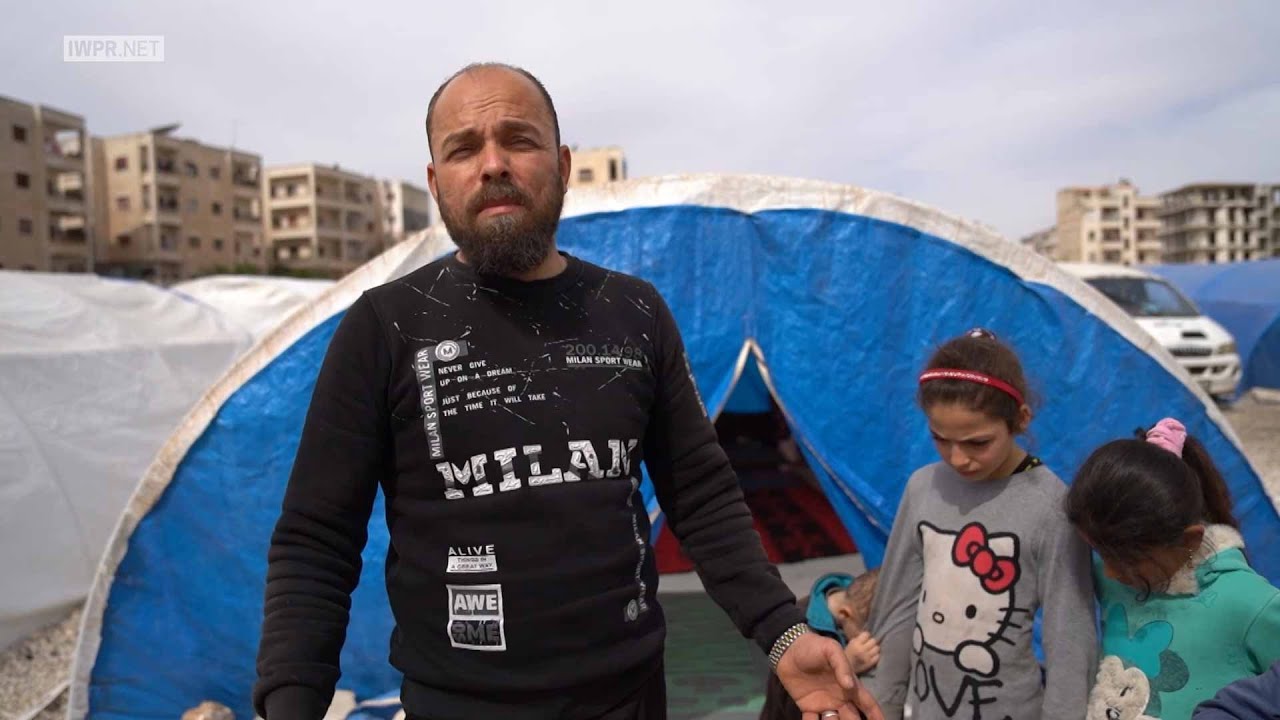
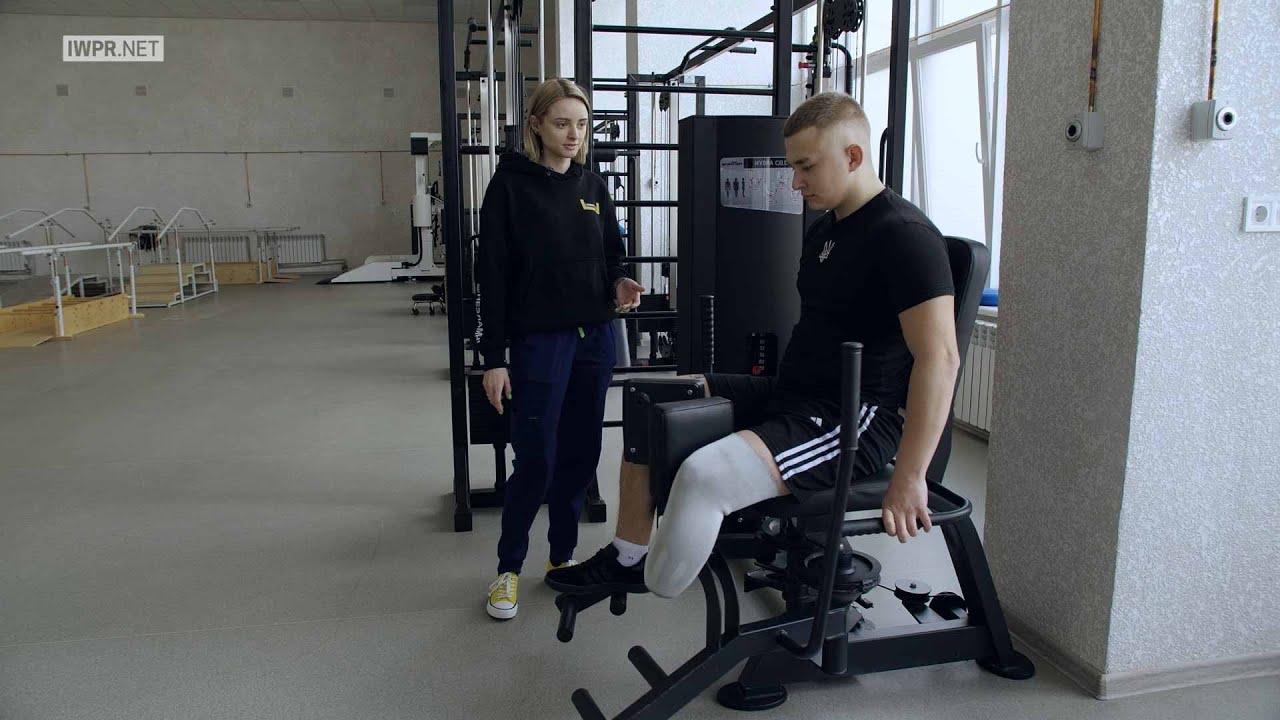
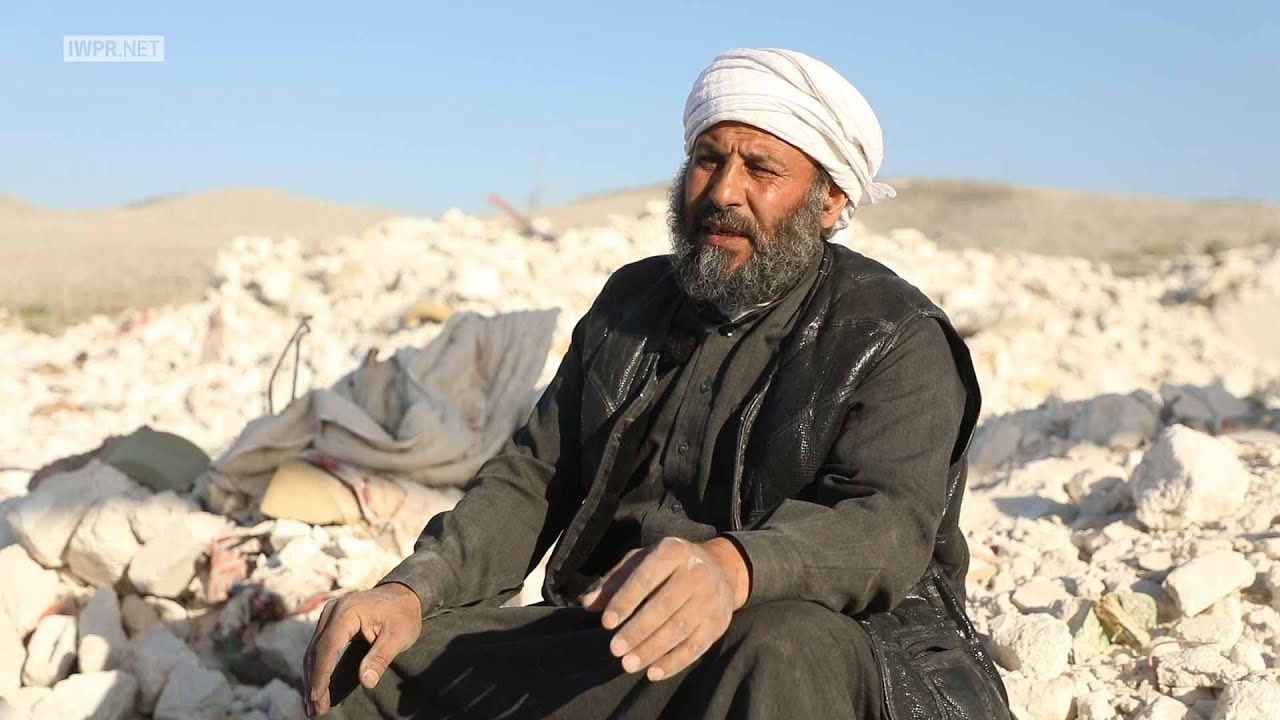
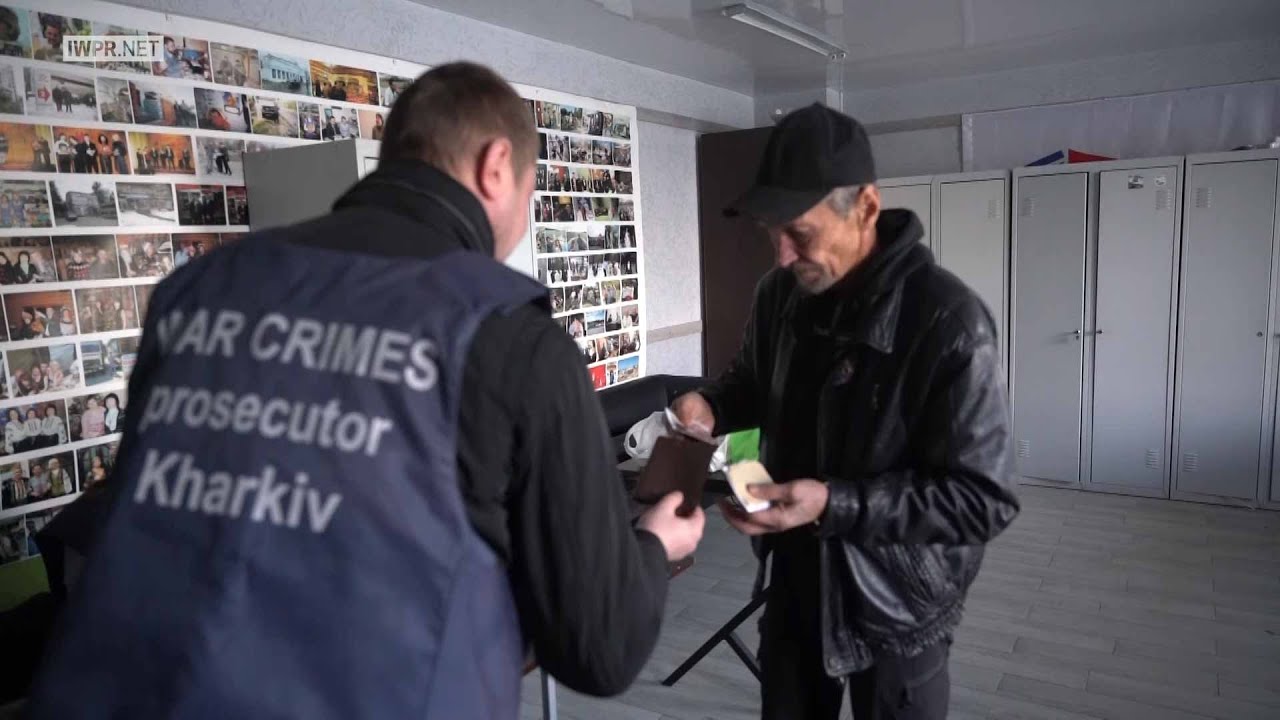

Ukraine Justice Report

Building Resilience in the Eastern Neighbourhood (BREN II)

Building Resilience Through Innovation and Collaboration (BRIC)







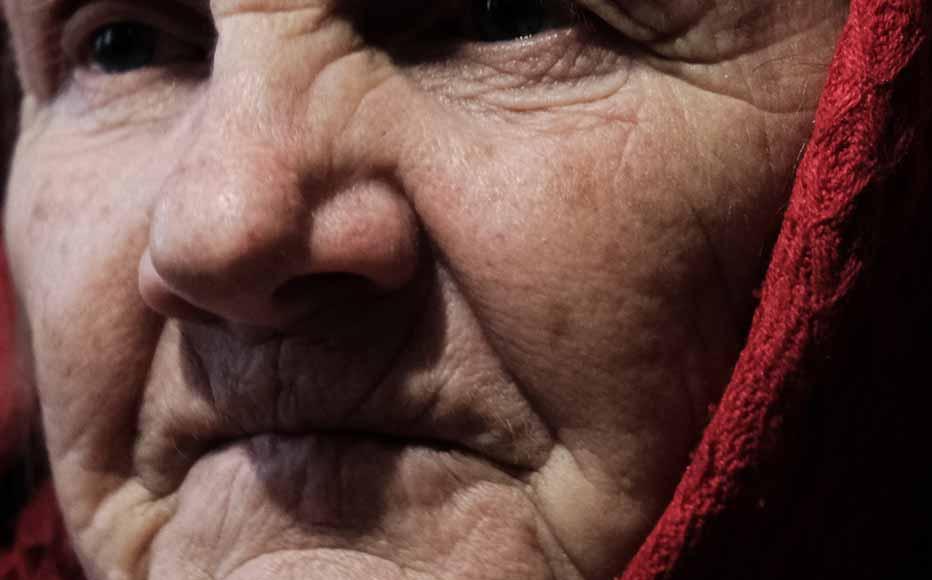

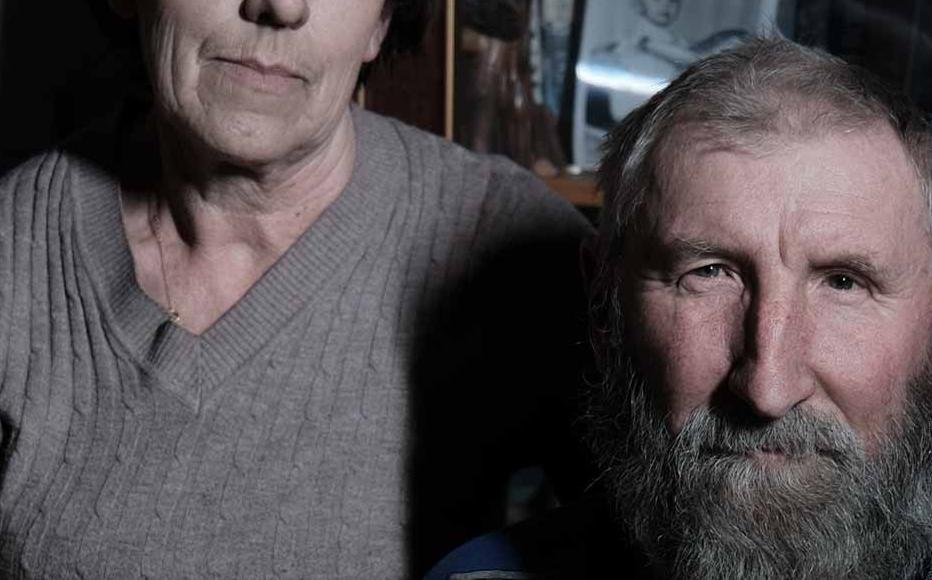
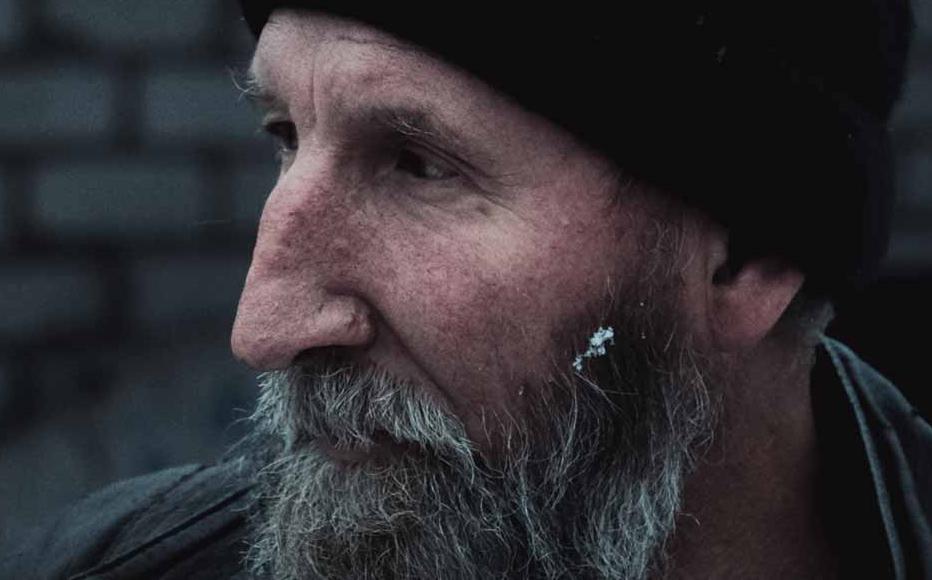
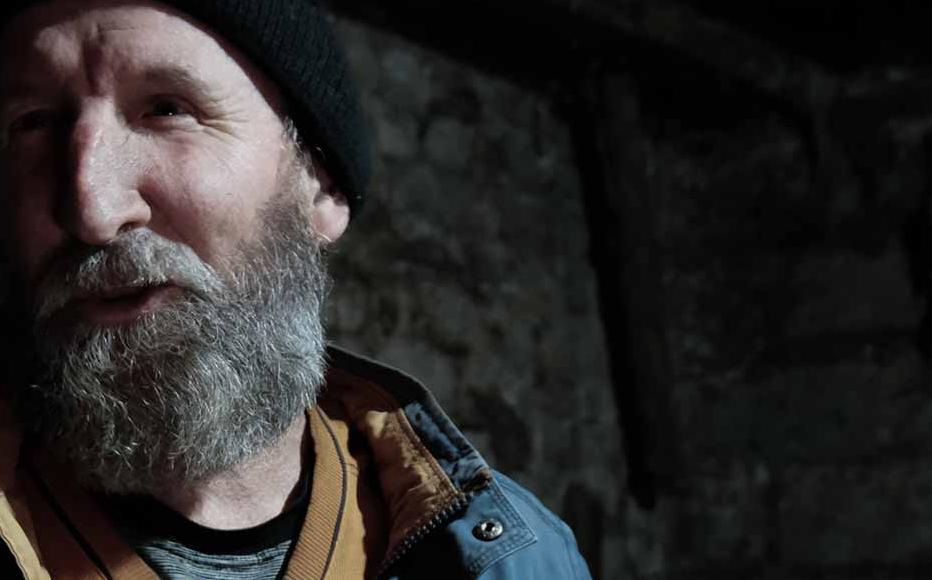



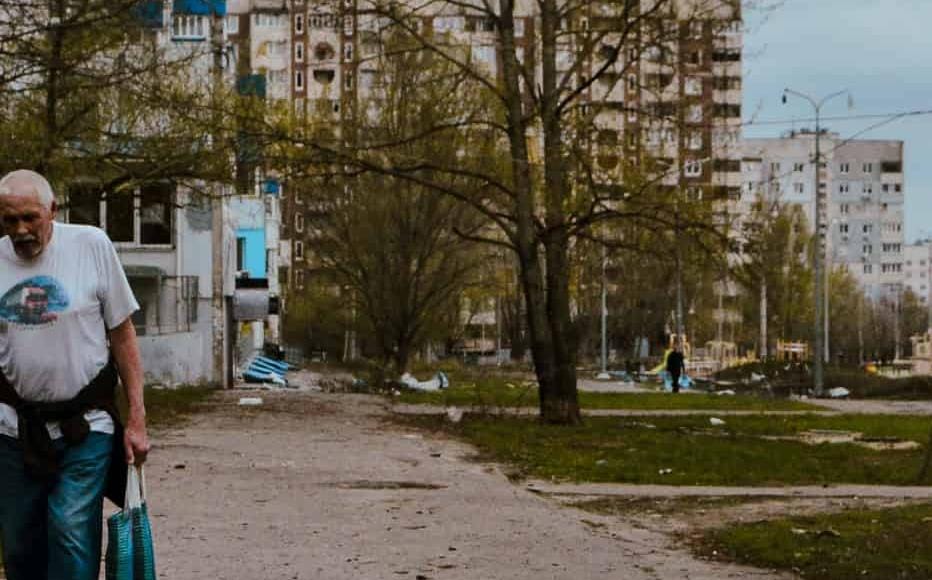
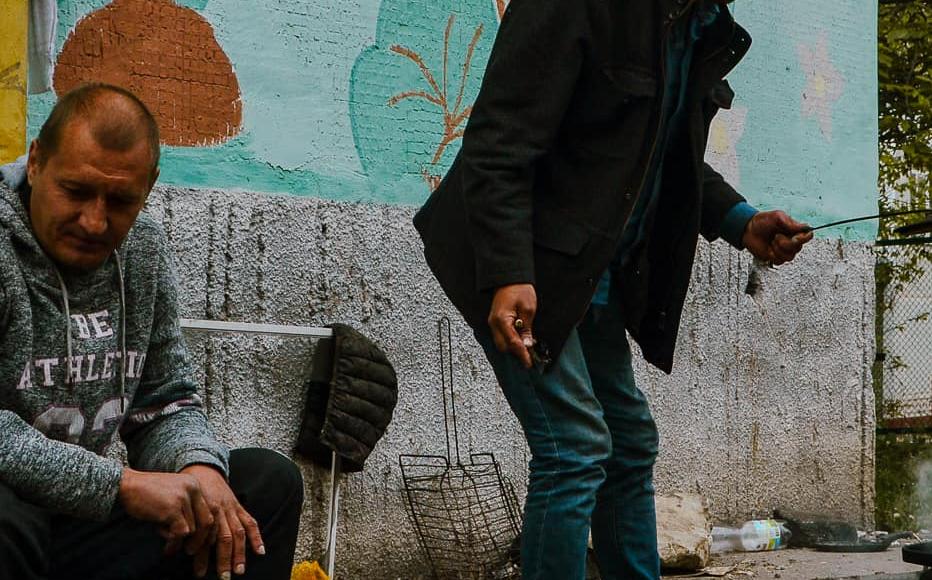

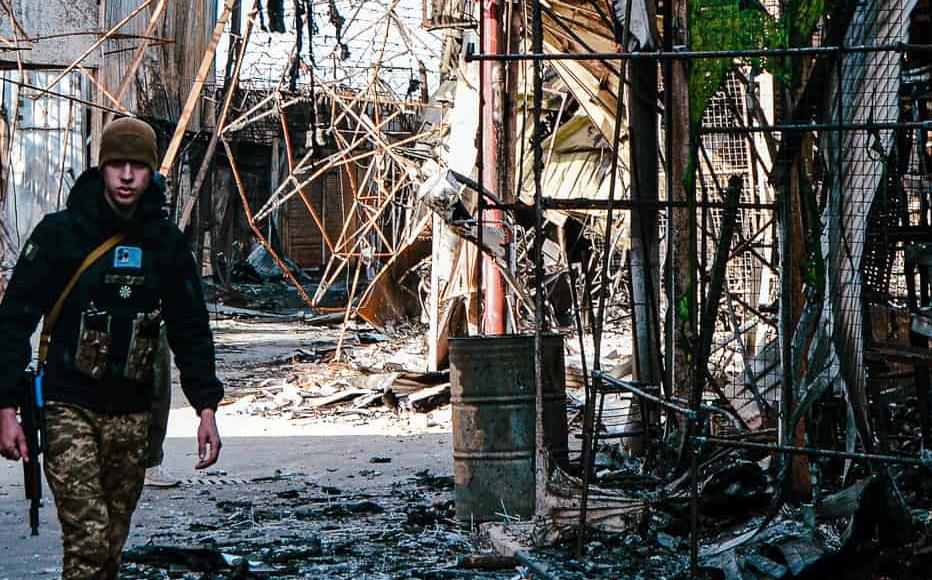

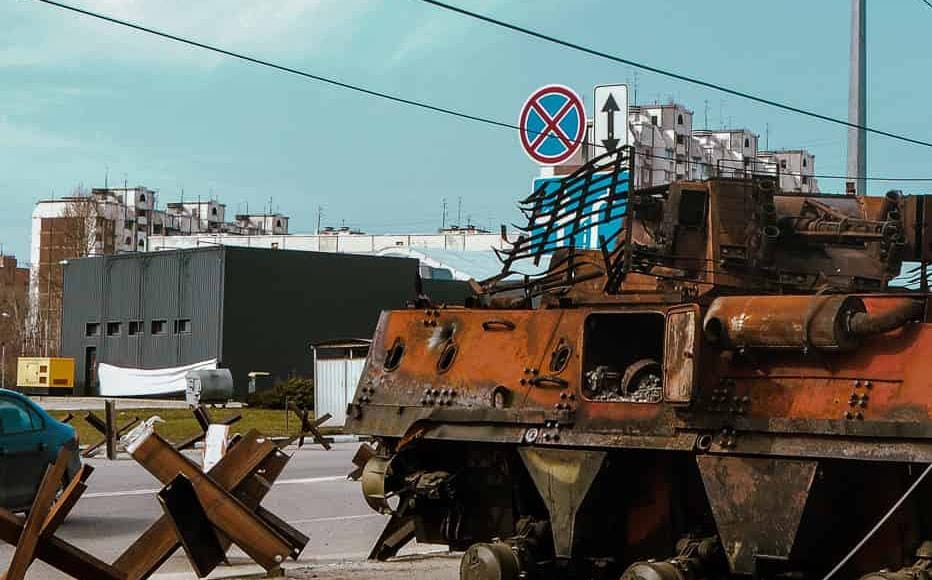
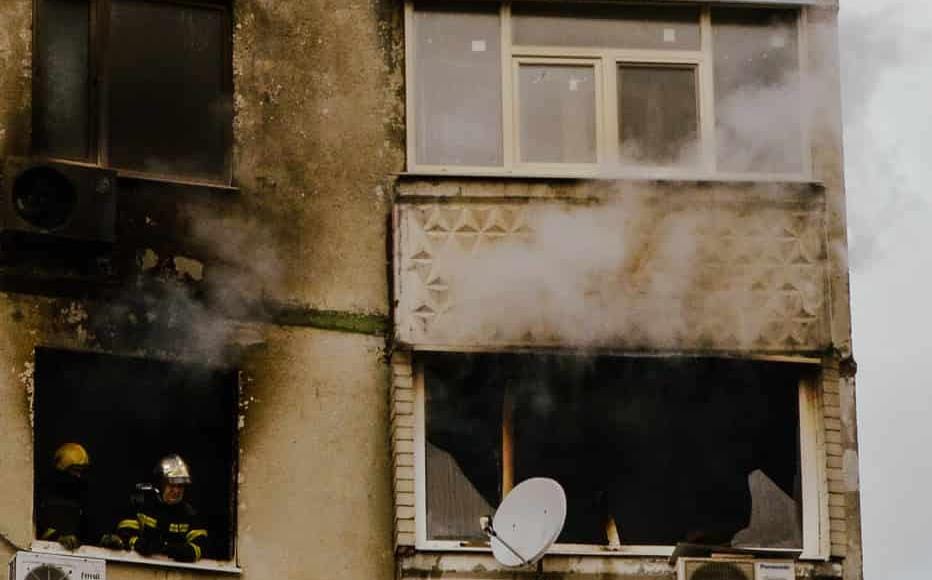
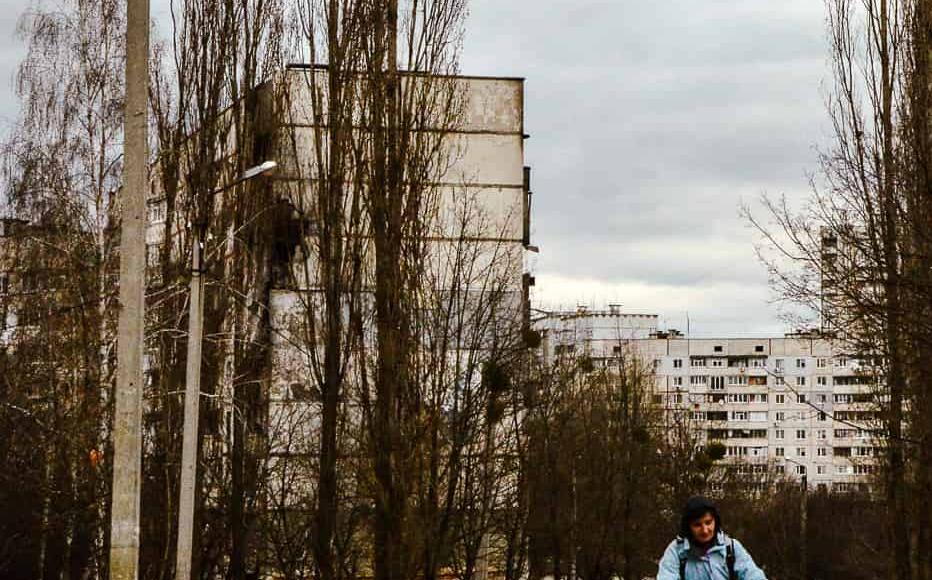
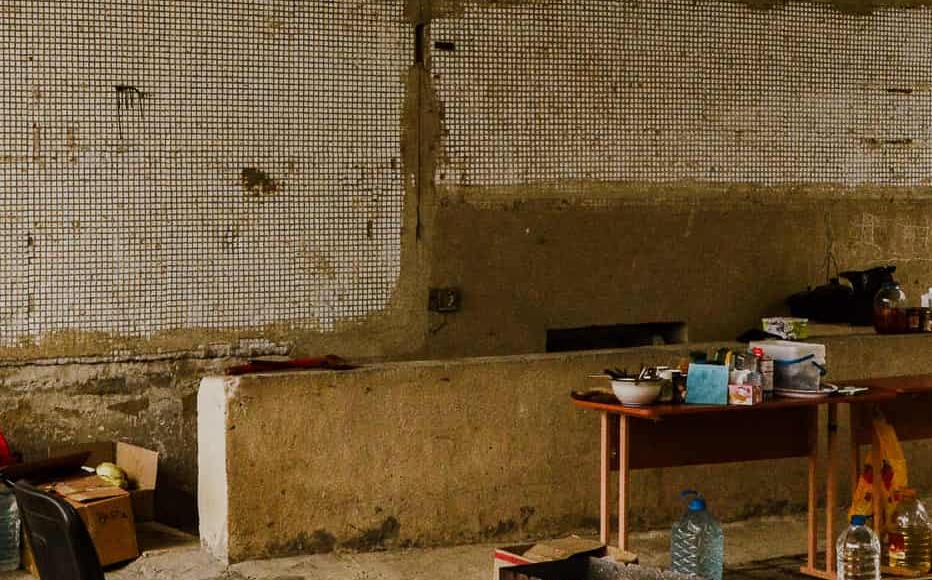
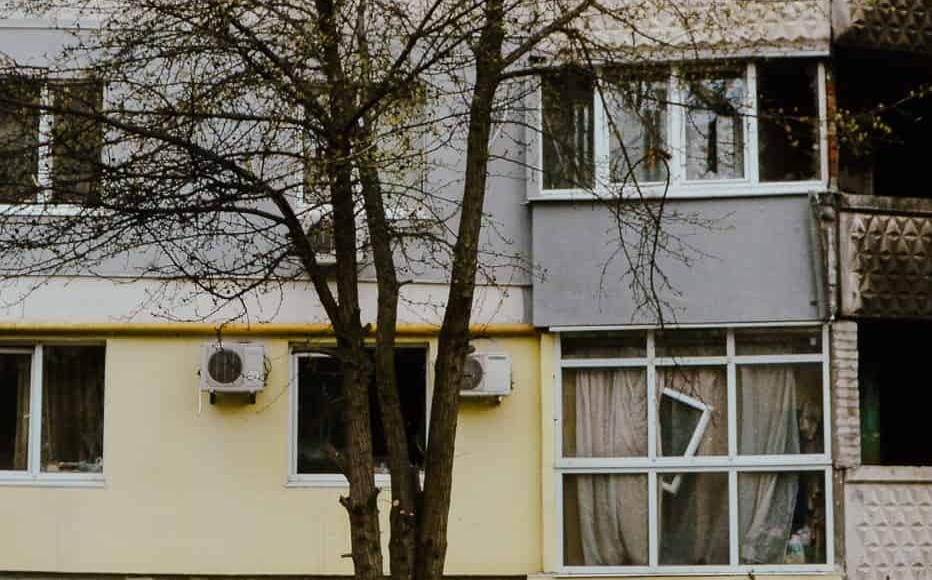

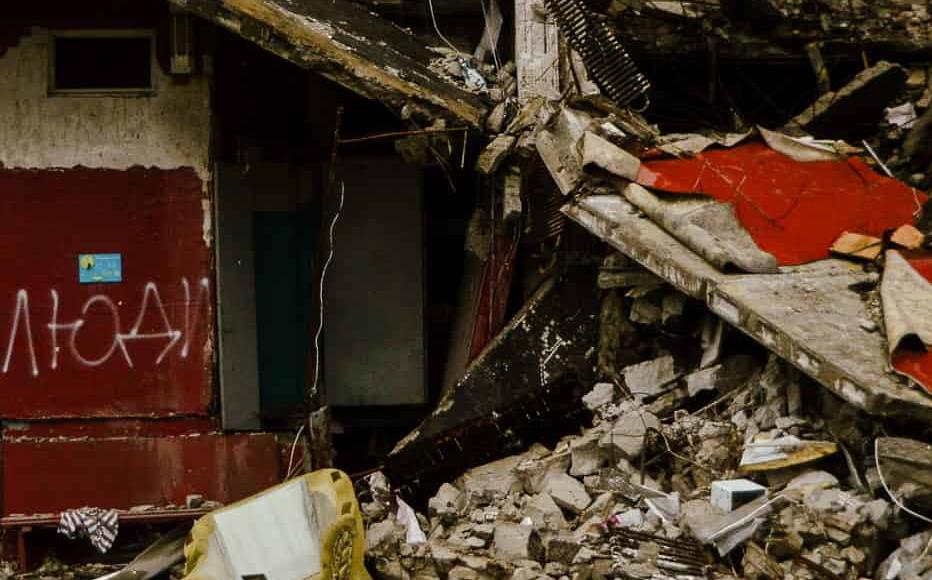
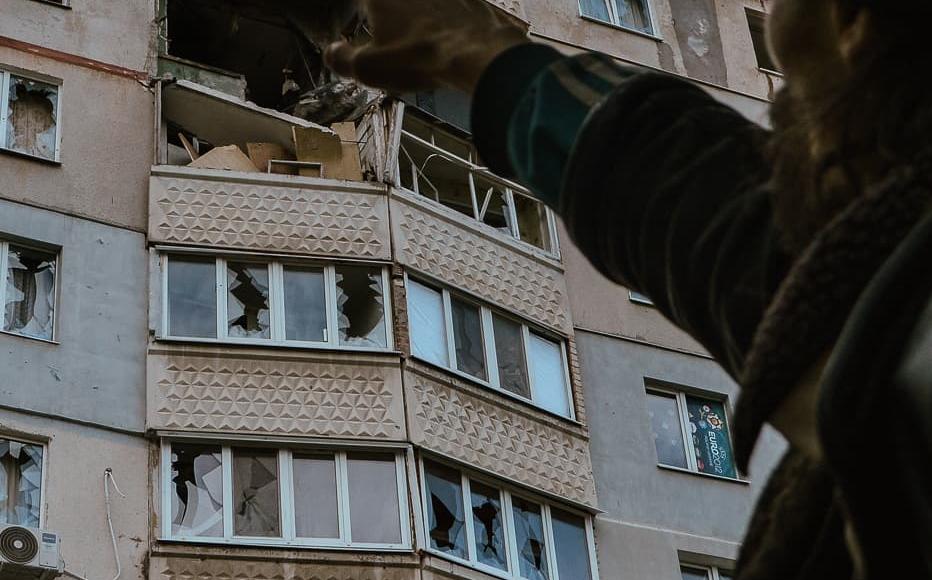

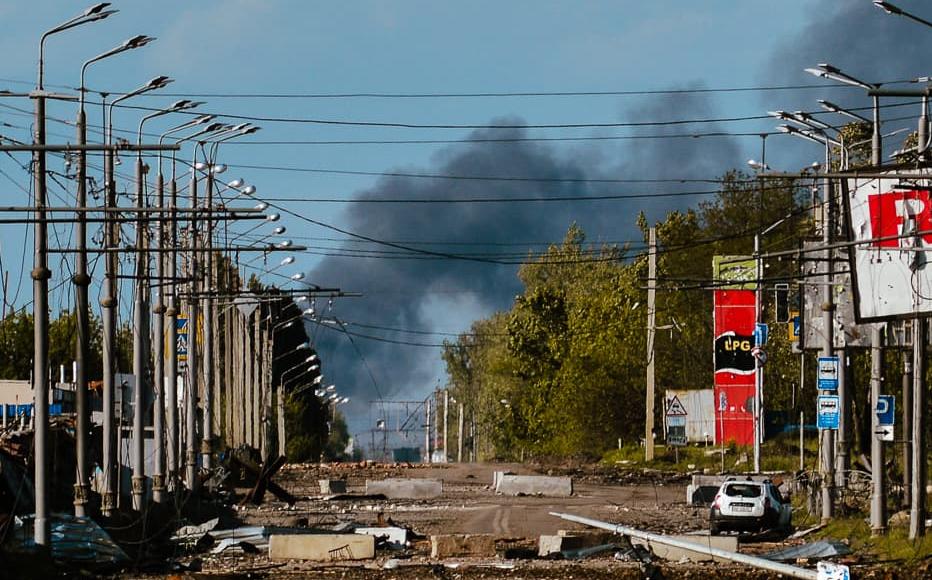
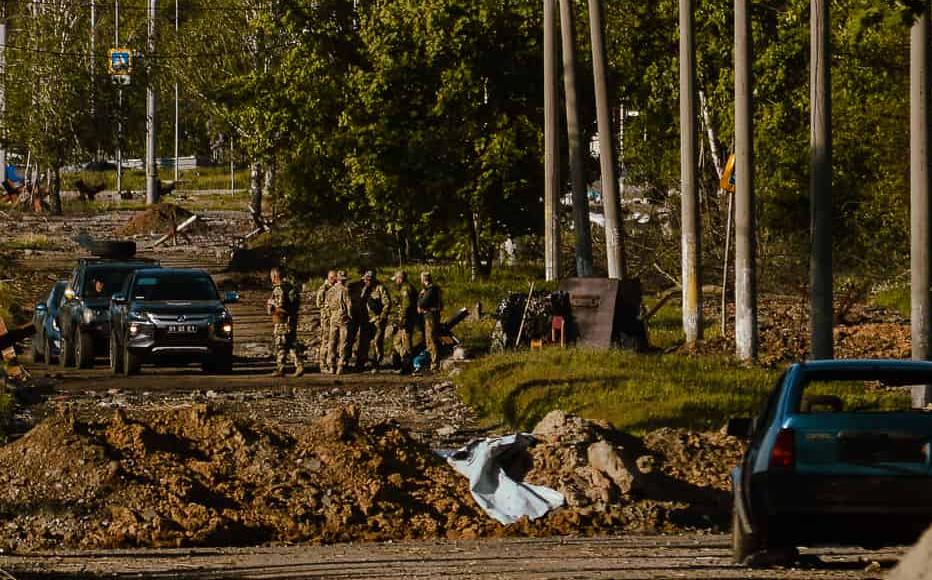



























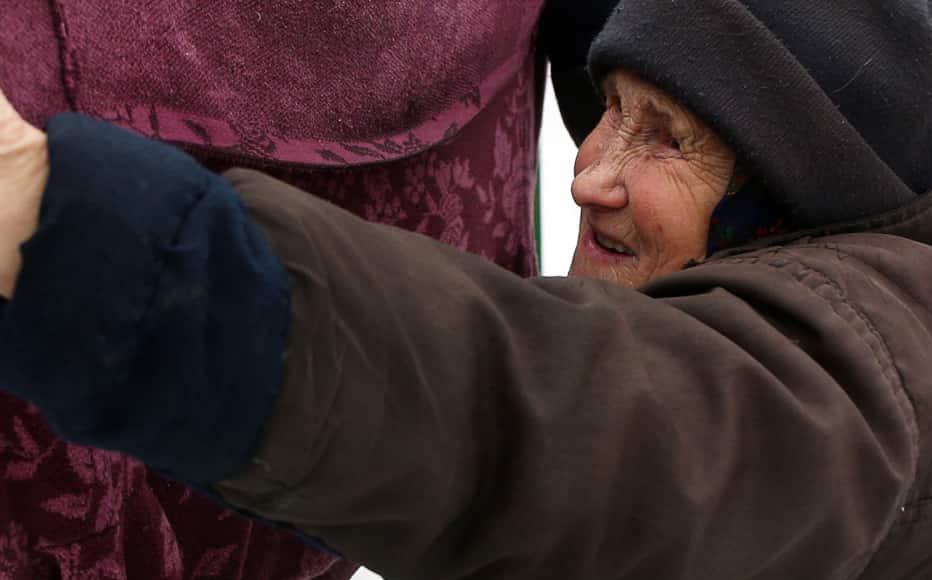
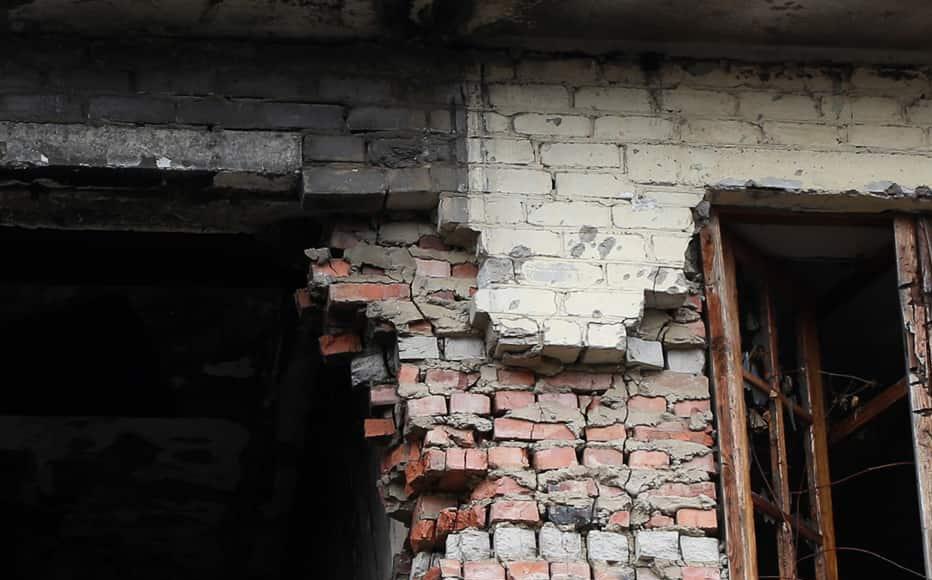
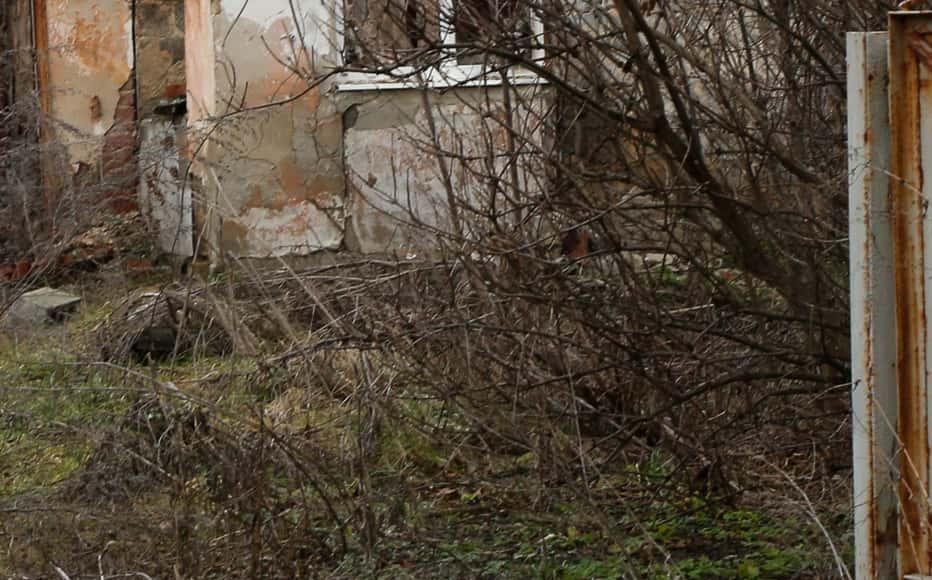
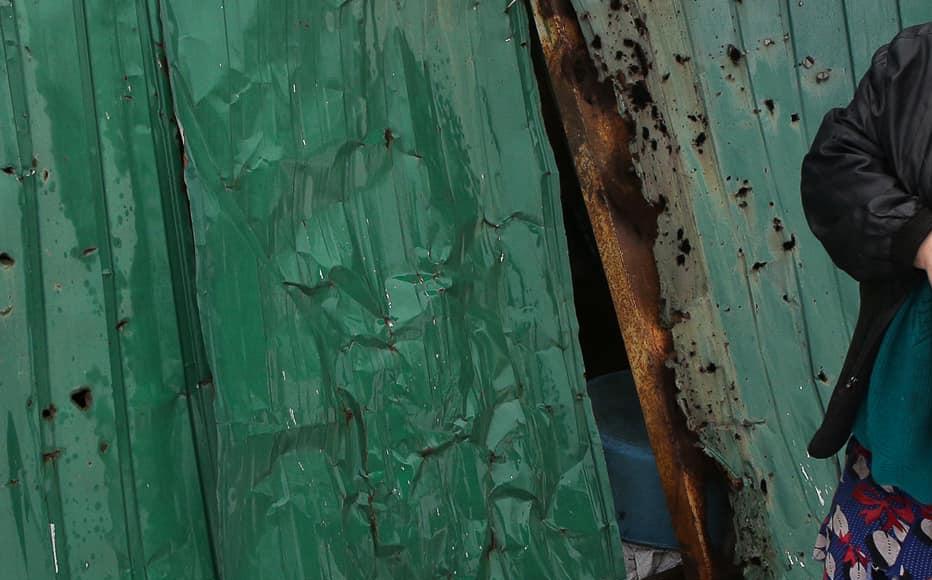
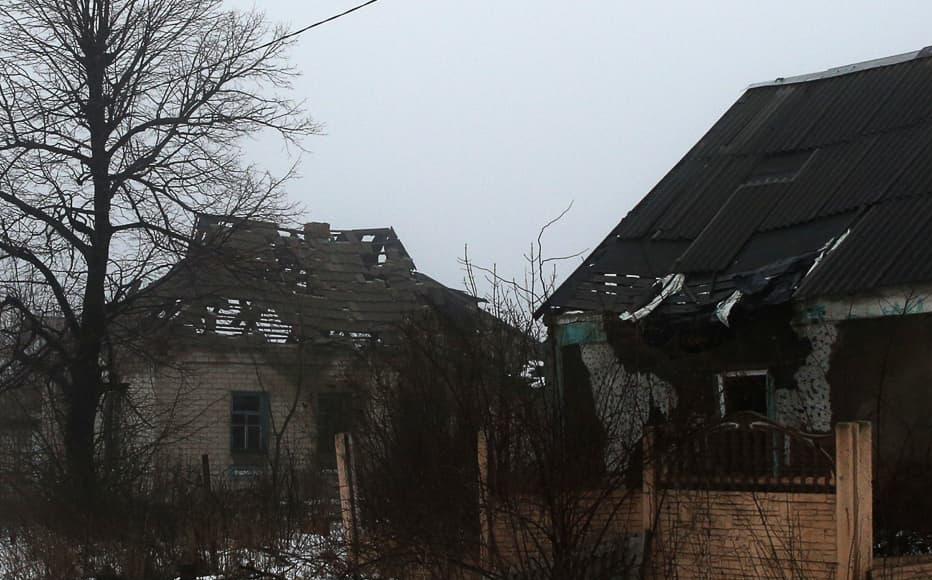
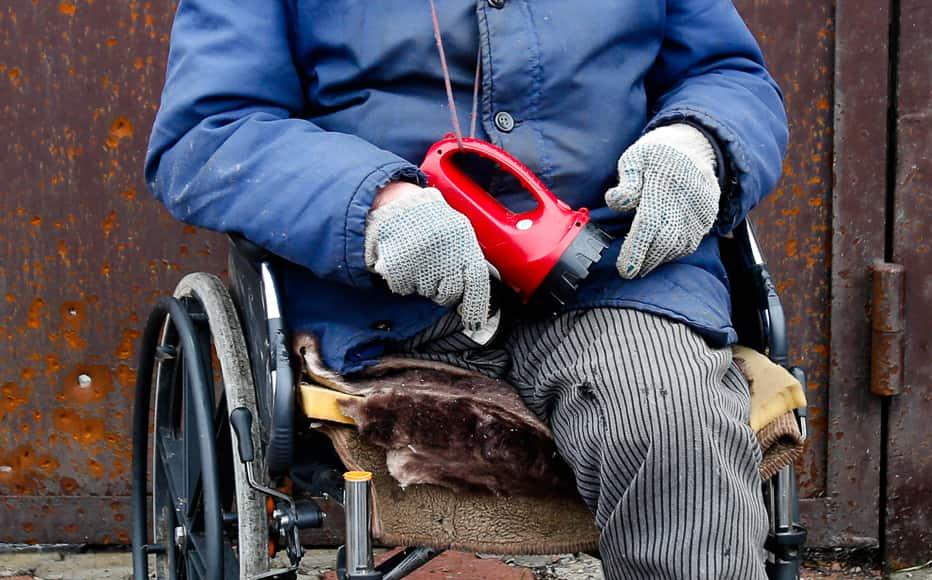
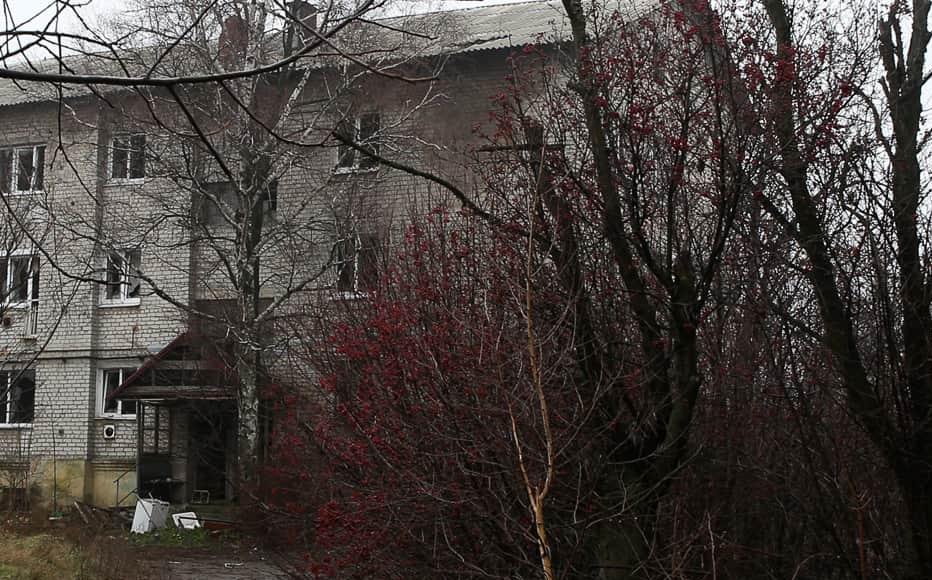
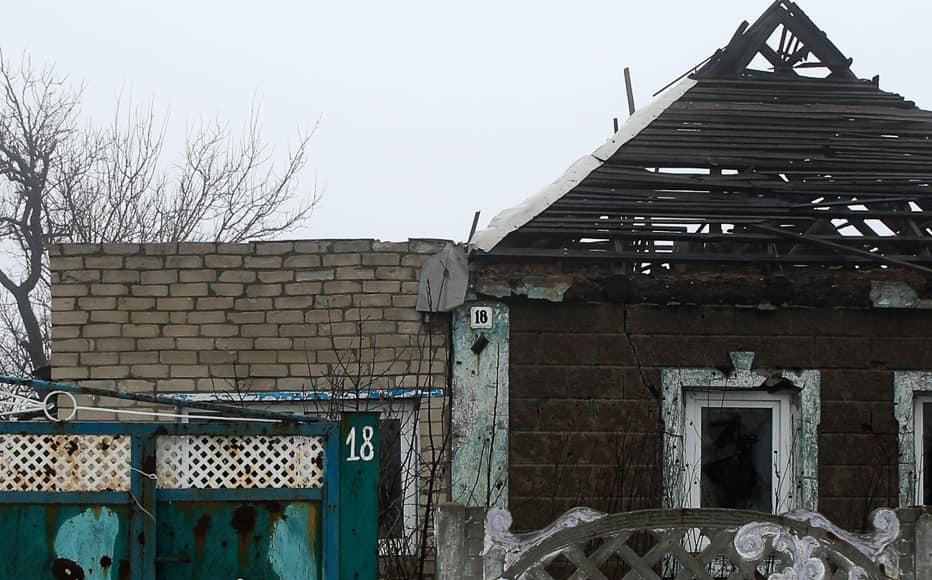
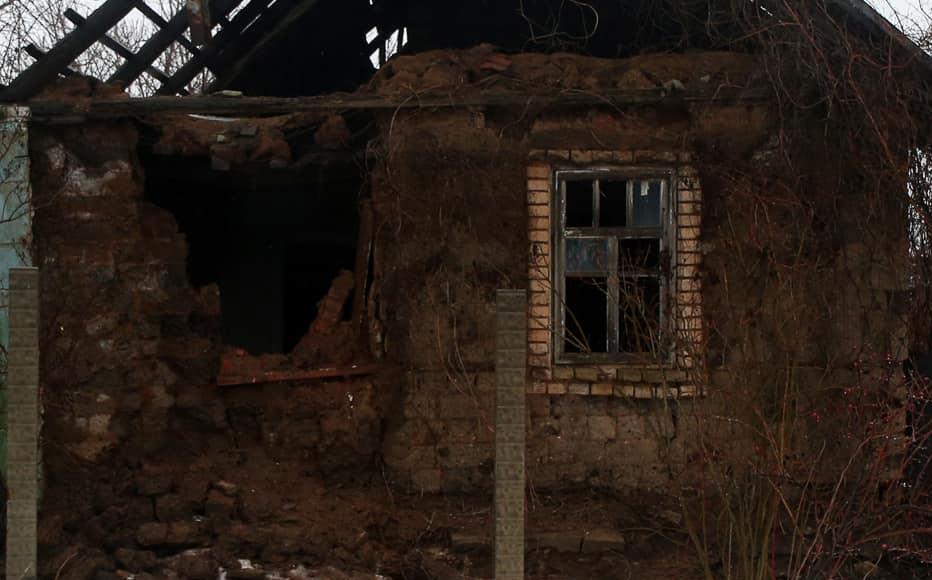
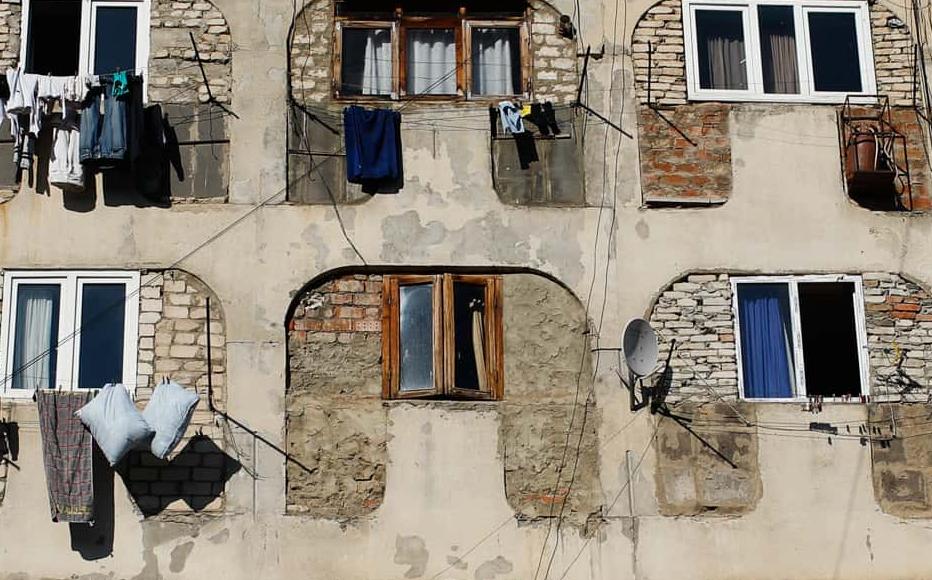
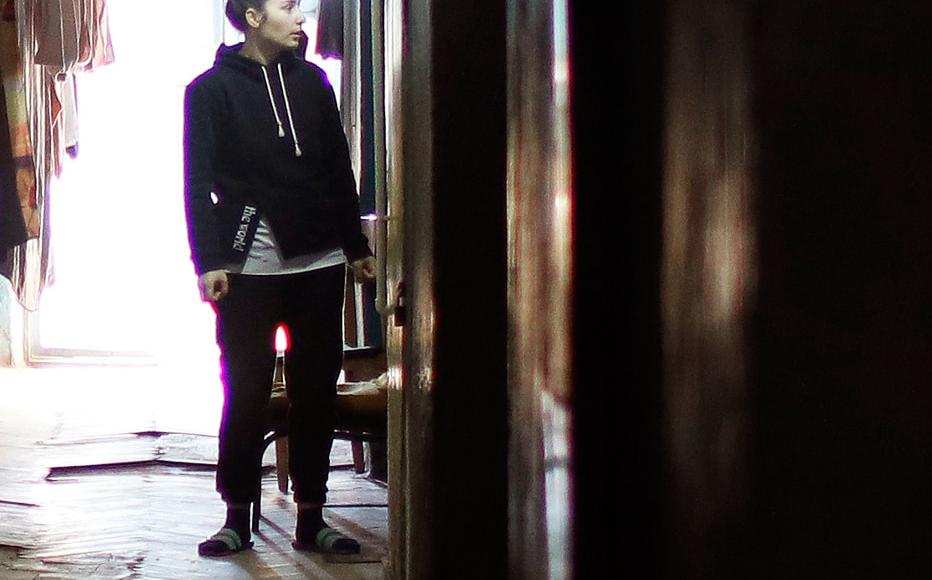
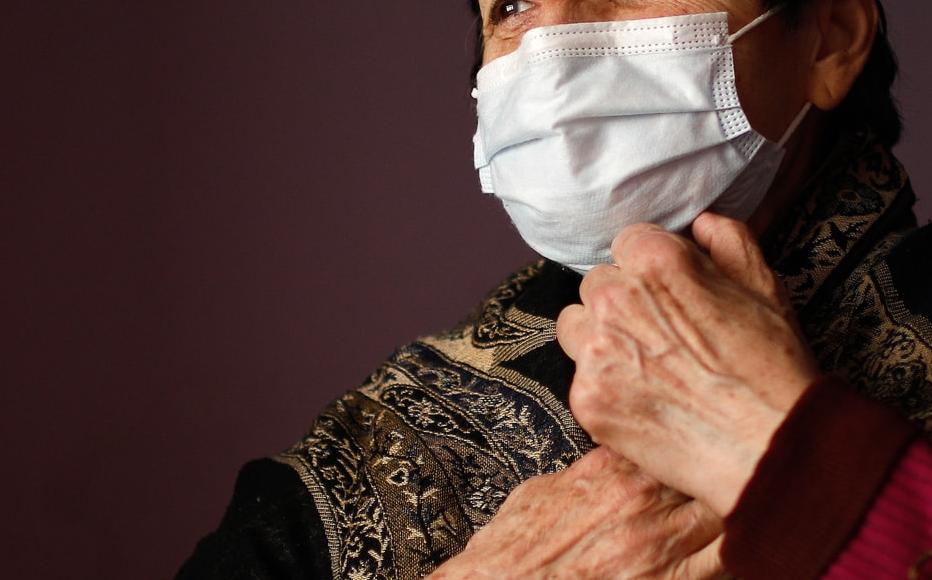
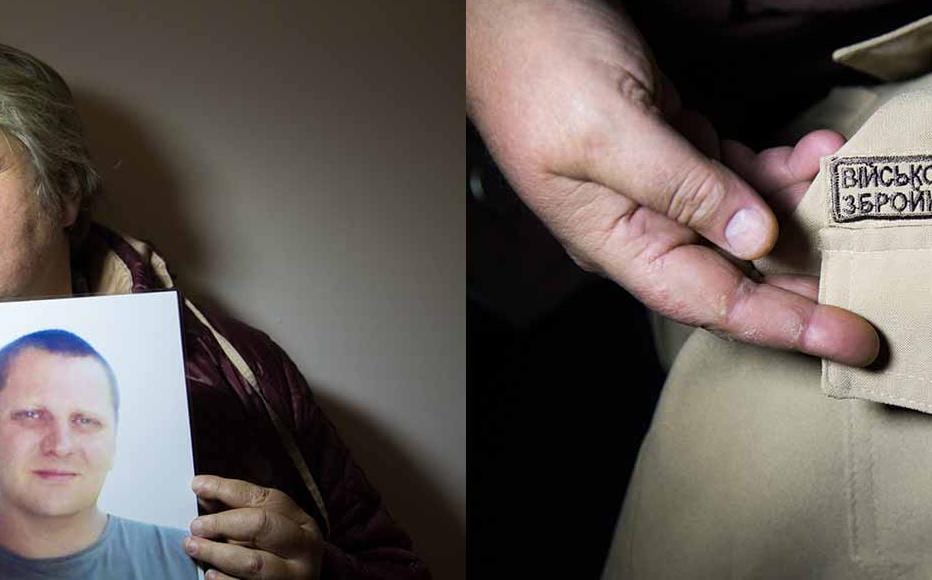
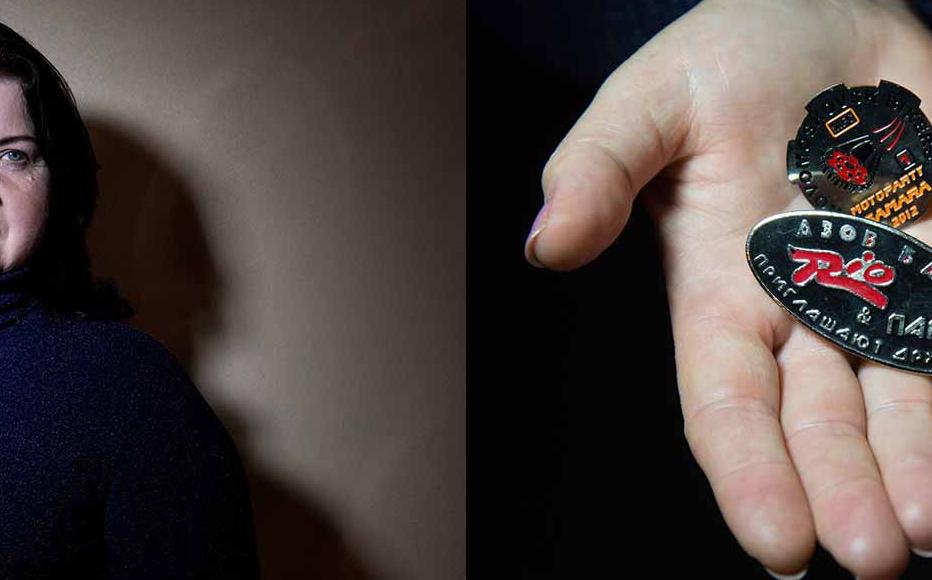
![Lyudmila on the doorstep of her house in Avdiivka. “Victor and I received this land slot from the [coke] plant. There was a pasture. We were young, strong. I remember on the first of May, on holidays, we cleared everything here and began to build the house.” (February 3, 2022)](https://cdn.shortpixel.ai/spai/q_glossy+ret_img/https://iwpr.net/sites/default/files/styles/focus_main_image_932_x_580_/public/images/story/ukraine-Elderly%20People%20On%20the%20Frontline%2002-A%20Stepanov.jpg?h=41f55a5b "Lyudmila on the doorstep of her house in Avdiivka. “Victor and I received this land slot from the [coke] plant. There was a pasture. We were young, strong. I remember on the first of May, on holidays, we cleared everything here and began to build the house.” (February 3, 2022)")

















In the News


Democratic accountability comes from journalists investigating their own societies – IWPR provides a much needed platform and support for those reporting from some of the most dangerous and difficult places in the world.
Disinformation is a major global threat , especially in conflict and post-conflict areas. IWPR performs a vital mission, building up local voices as a bulwark against this challenge.
IWPR fills a critical gap by helping local journalists to focus on human rights and justice issues. In the process, it contributes to democratic transitions, and demonstrates that the best war reporting is not about military conflict, but human consequences.