
Ukraine Urged to Pursue Domestic Trials
Former ICTY prosecutor warns there remains scant enthusiasm for international humanitarian law.

Also see

Inside Ukraine’s War Crimes Courts
Judges are handling an unprecedented number of nearly 200,000 cases.
Ukraine is investigating over 200,000 alleged Russian war crimes committed
during the ongoing conflict. Given the limited resources of the national prosecution system and the current geopolitical situation, multiple challenges remain to the pursuit of accountability.
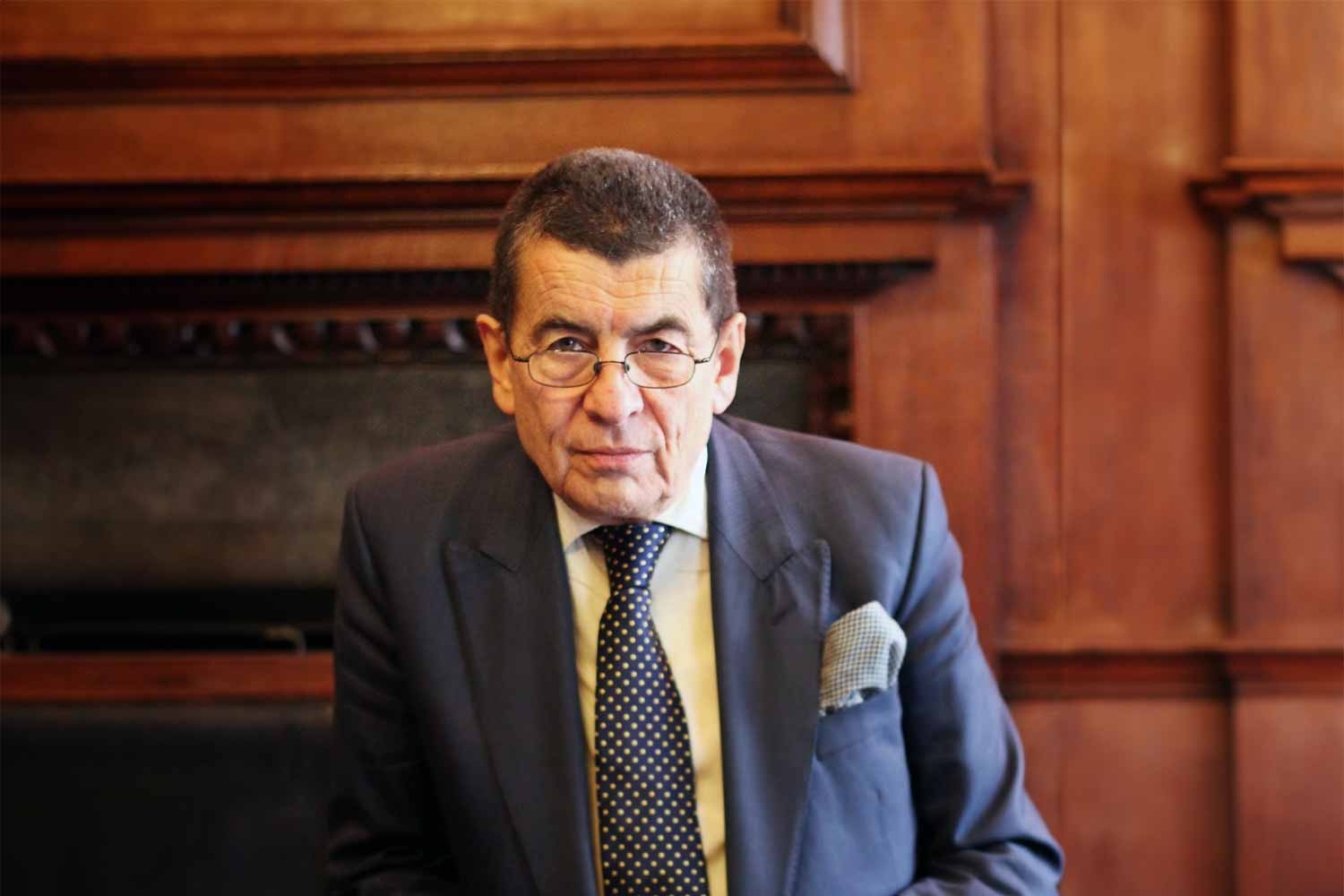
British barrister Sir Geoffrey Nice KC, the leading prosecutor of former Serb president Slobodan Milošević, told IWPR’s Anastasia Kucher that Ukraine needed to pursue as many trials as possible domestically – in absentia, if necessary – and not put their faith in international institutions to deliver justice.
To what extent do geopolitical considerations hinder or shape the pursuit of justice in Ukraine?
Very substantially if not completely. In 2014 when Crimea fell to invasion, geopolitical timidity meant it did not cross any Western power’s mind that just maybe the West might have to risk lives of its military forces to save the world order. Slowly, that possibility is becoming reality - too late, of course. If you seek to preserve a way of life – democracy and a world order – against countries who are prepared to sacrifice the lives of their citizens in defence of the alternative, then the ‘good’ country is in what we are now aware of as asymmetric battle.
What lessons from the Balkans conflicts and your work at the International Criminal Tribunal for the Former Yugoslavia (ICTY) are most applicable to Ukraine? How does the global commitment to international justice compare to the 1990s?
For me the most important lesson is that the West failed to recognise the culpability of Serbia and that failure has allowed things to drift.The similar failure of the international community to say out loud and with a single voice that Russia is the criminal and the Ukrainians have been oppressed and are victims has done great damage to the future of Ukraine, which is at risk of a settlement that may lose it territory, despite the unnecessary deaths of so many blameless brave citizens.
What happened in the 1990s may yet be seen as the exception to the rule that big countries do not respect international humanitarian law and that its application to events in the Balkan, Rwanda and elsewhere was a short aberration. The norm of war without legal accountability may return or already have returned, at least for wars involving or supported by big states.
The Ukraine conflict may make us all realise how we need to apply the law through other ways than accountability mechanisms, for example civil courts or by obtaining definitive statements by parliaments, the UN etc, about crimes being committed.
What forms of justice matter most to victims and survivors - criminal trials, reparations, truth commissions, or something else?
Lawyers probably reckon truth commissions or similar may be best; others favour reparations as something tangible. War crimes trials may help victims come to terms with what happened to them or their loved ones – but there is little evidence to support this view.
What expectations should legal processes raise? Confessions of guilt, reconciliation, compensation, reparation? There is little evidence that legal processes – domestic or international – achieve any of these things. And of course, they seem to do little or nothing to deter the next would-be genocidaires or war criminals.
What does justice realistically look like for Ukraine in the next five to ten years?
For there to be as many as possible domestic trials – in absentia, if possible and when necessary – and not relying on international institutions or lawyers at the moment, except in advisory capacities. International law and lawyers are vulnerable to great powers’ pressure.
With the despair I sense for any global enthusiasm for international humanitarian law reviving, Ukraine’s best course - parallel to what is has done and is doing in the war itself - is to keep its standards of international justice in its own hands. Is it possible that the world will revert to what seemed briefly a period of hope? Just possible but unlikely for the present.
What reforms would you prioritise to make global justice systems more effective in responding to conflicts like Ukraine?
Countries like the UK should have the courage to shout out loud when war crimes have been or are being committed. Their feeble delay – even over Ukraine and Israel-Gaza – have left voters in doubt, when they should be certain, about what their representatives in parliaments and government should be doing in response to grave crimes being committed. Should this happen, governments will be driven better to do the right thing by the oppressed of other nations.