


Inside Afghanistan’s Maternal Mortality Crisis
Bosnia Films Screened by Al Jazeera
Viewers in seven Balkan countries can now watch Bosnians' thoughtful reflections on brutal conflict.

Croatian General Acquitted on Appeal
Appeals judges say original verdict wrongly found that 1995 artillery attacks were unlawful.
Tajik Government Accused of Online Media Clampdown
Campaigners want to know why new sites are shut down without legal justification.

Zimbabwe: Goromonzi Lives in Fear as 2013 Elections Loom
Zimbabweans remember violence that accompanied last presidential election.

Will Kinshasa Go Easy on M23 Rebels?
Insurgent fighters in eastern Congo find they can sign peace deals and join the army, and then desert to extract more concessions from weak government.

Afghanistan: Unchecked Opium Production in Uruzgan
Authorities say they are powerless to act even though they know opium poppy is being grown on large tracts of land.
Moscow's Doors Still Open to Uzbekistan
Leading Russian expert says it’s up to Tashkent to decide what kind of relationship it wants with Moscow.
Cuba: Cautious Welcome for Easier Emigration Rules
Authorities drop exit visa system, though they will still be able to block people from travelling.

Azerbaijan Protesters Face Harsh Penalties
New legislation gives authorities financial leverage to stamp out protests.

World Press Freedom Day 2026

Gender-based Disinformation and Women’s Political Participation in Moldova

A Guide for Ukrainian Journalists


IWPR Latin America and the Caribbean


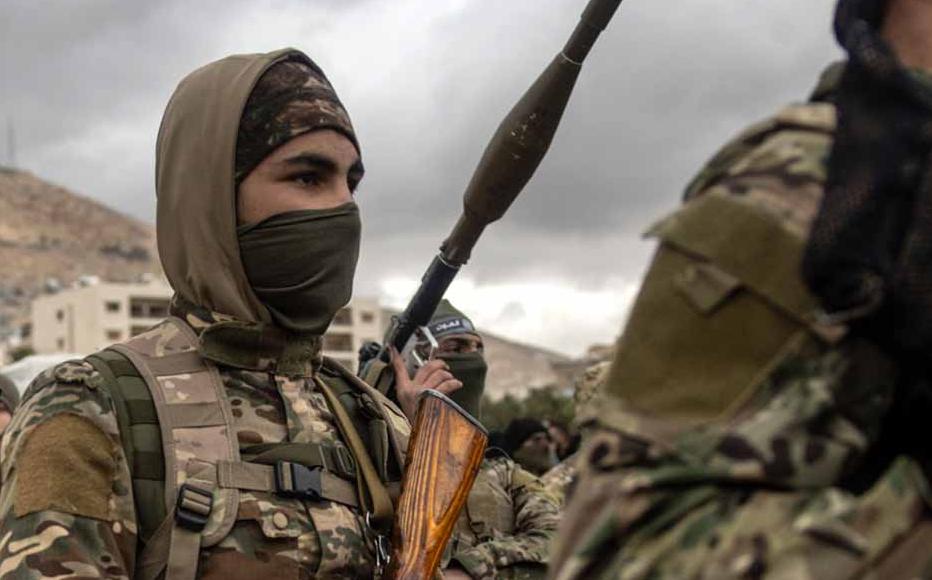


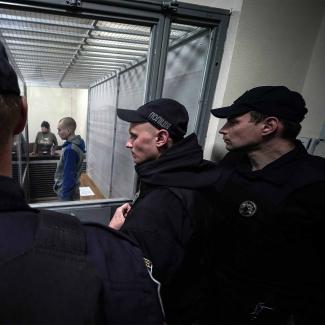
A Guide for the Ukrainian Public
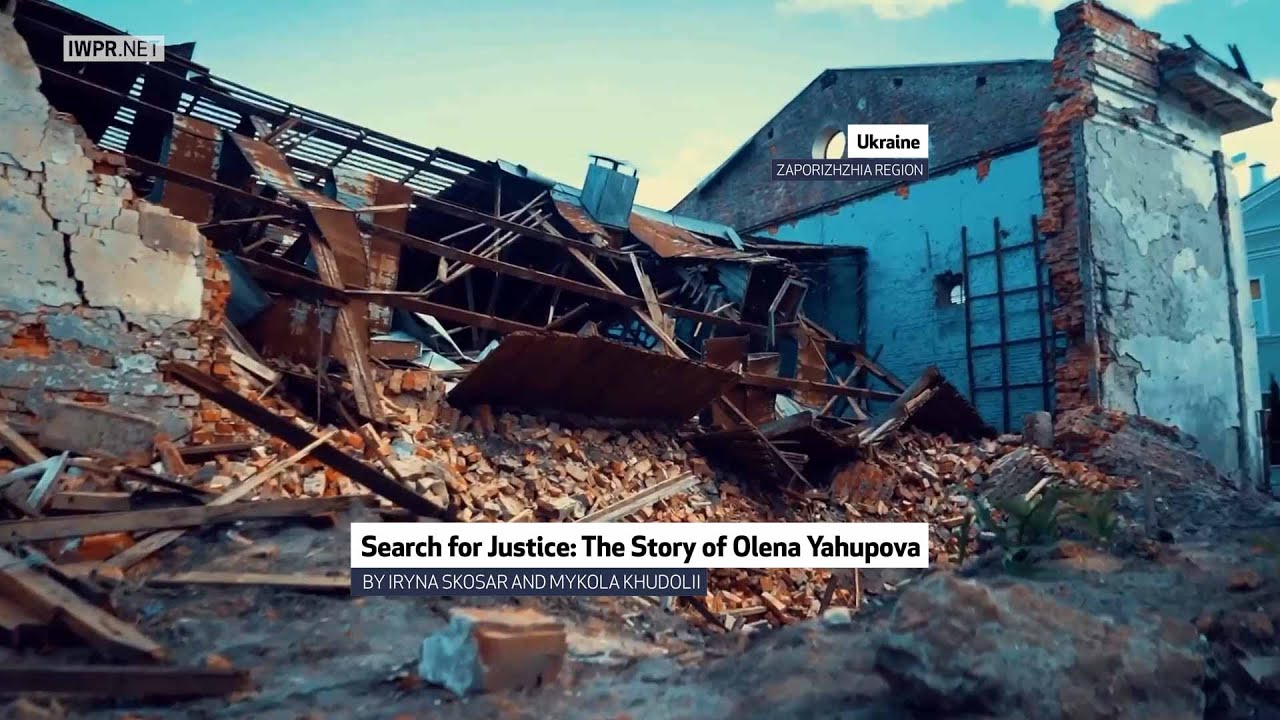
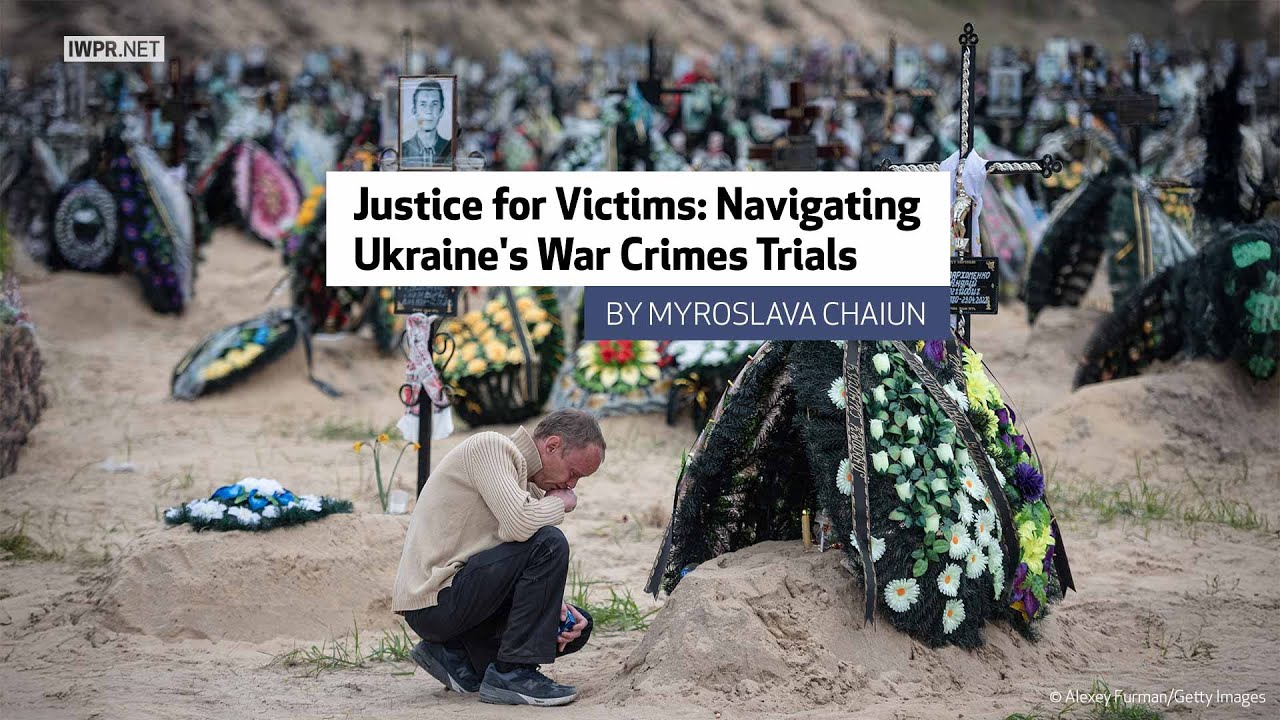
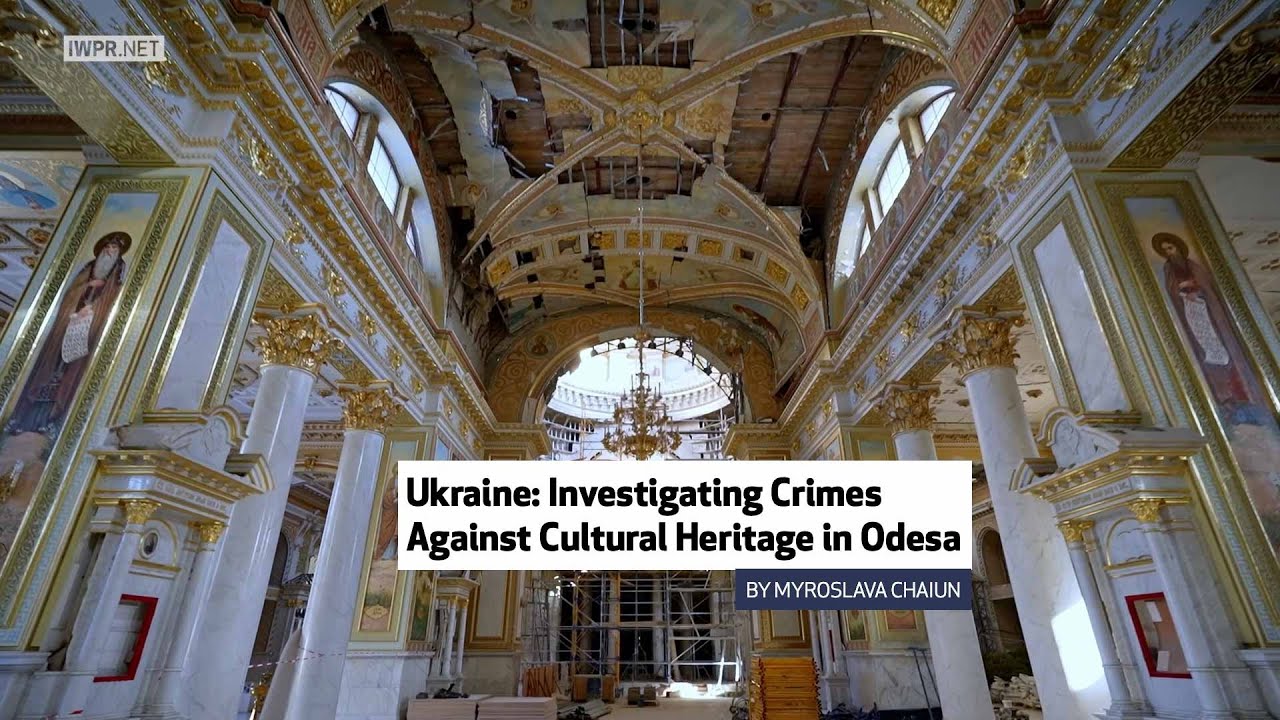
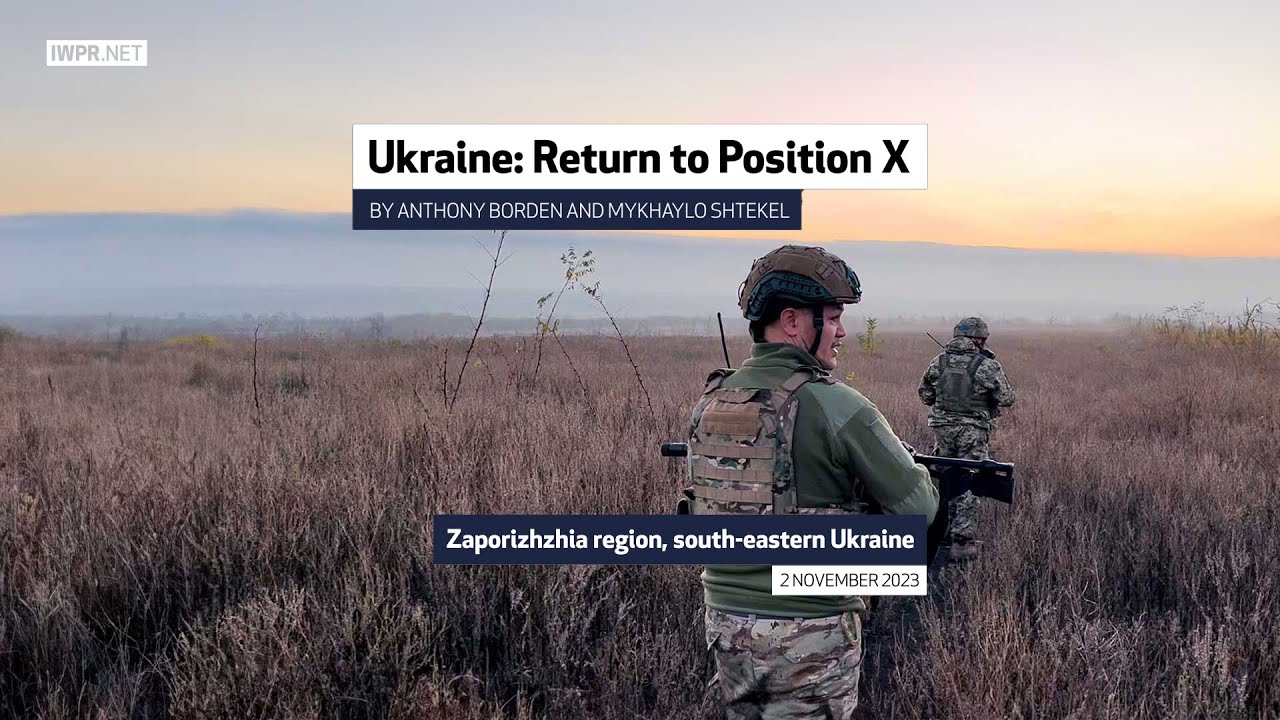
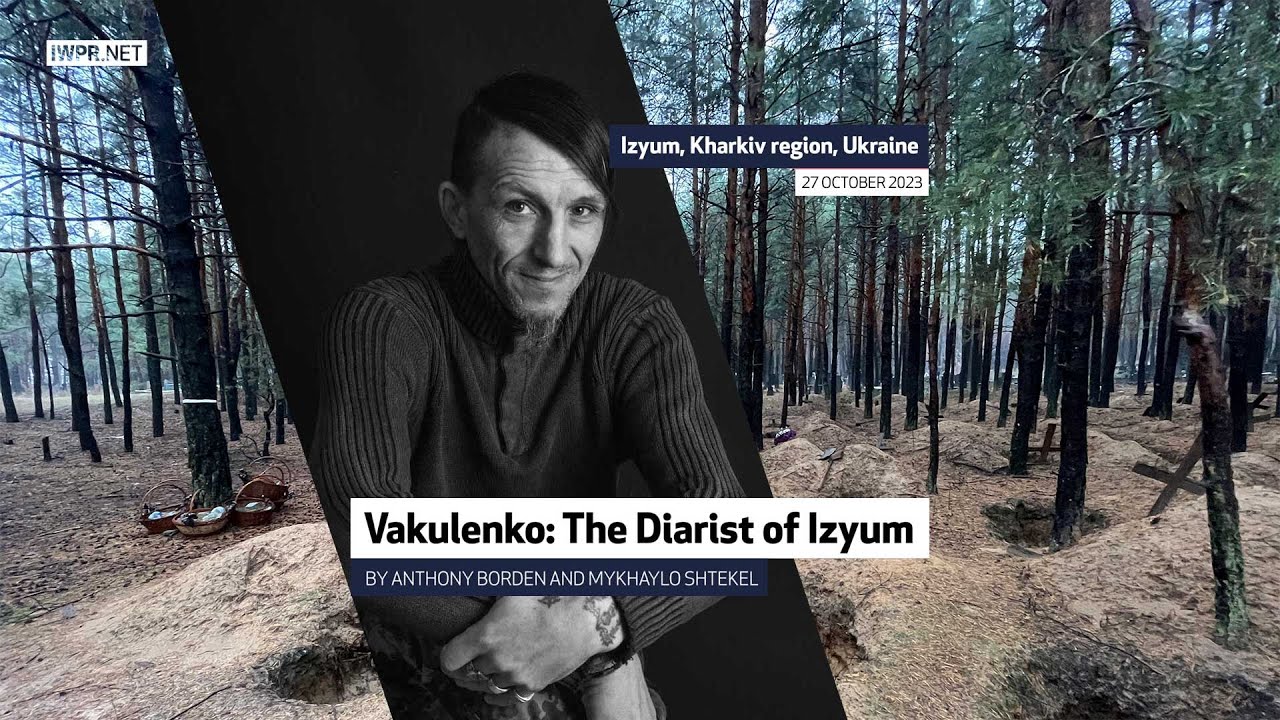
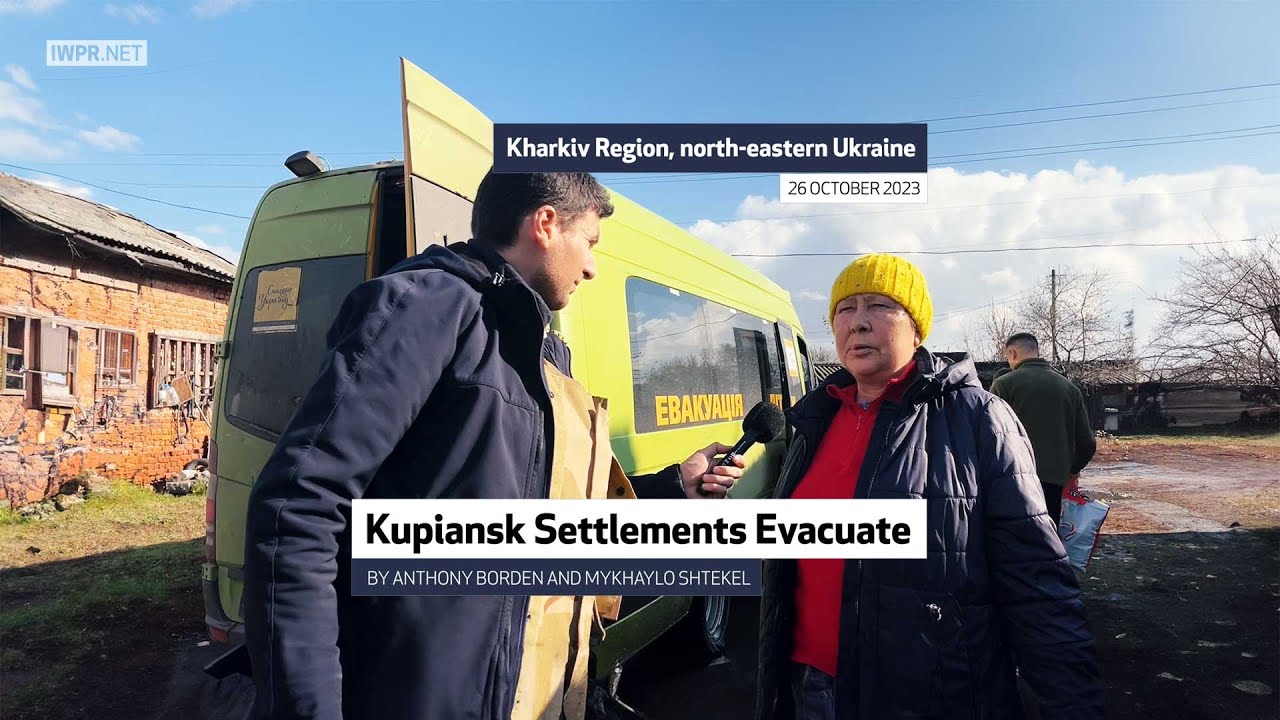

Ukraine Justice Report

Building Resilience in the Eastern Neighbourhood (BREN II)

Building Resilience Through Innovation and Collaboration (BRIC)





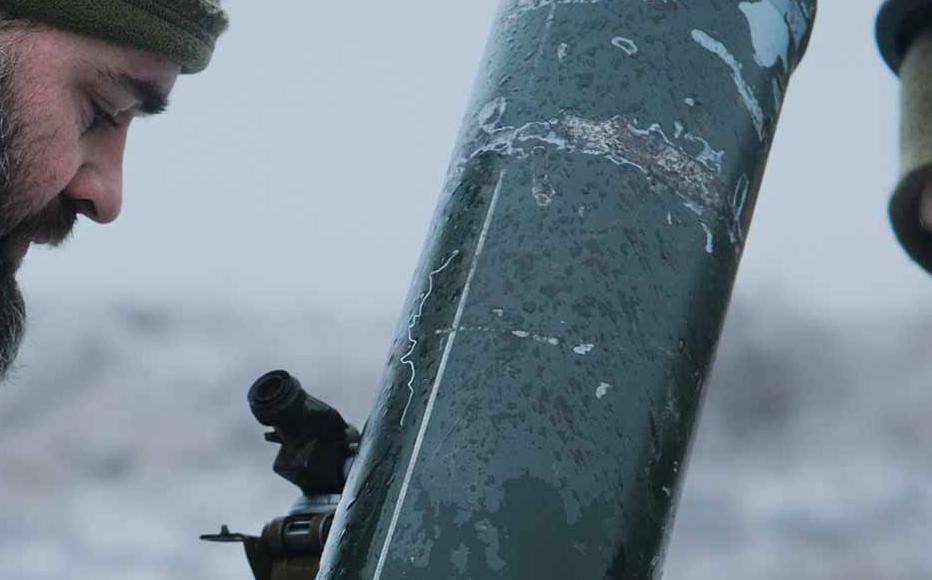
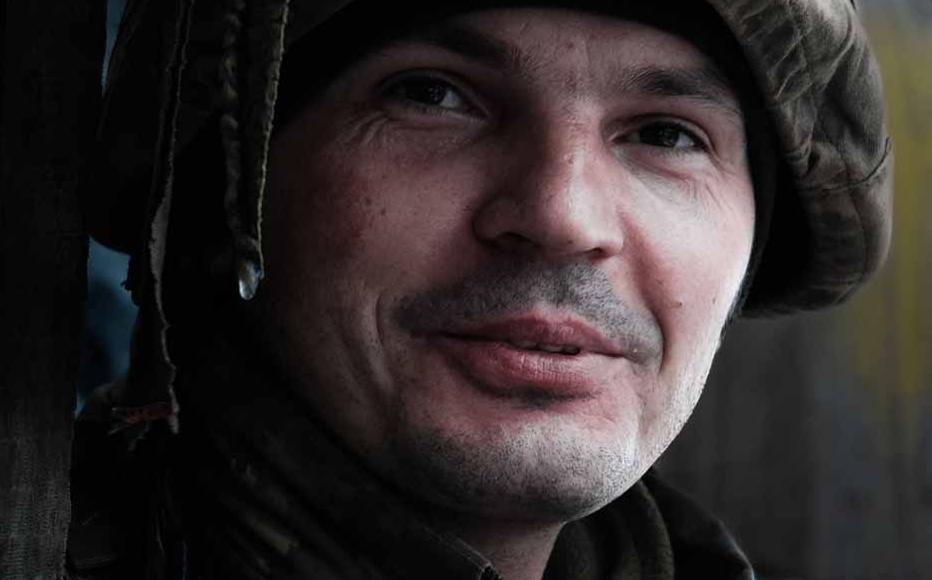
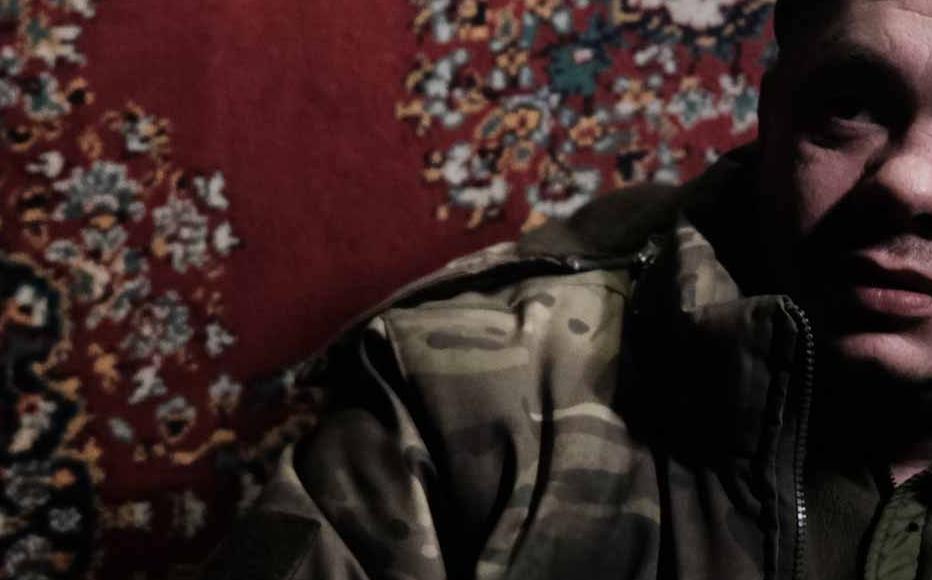



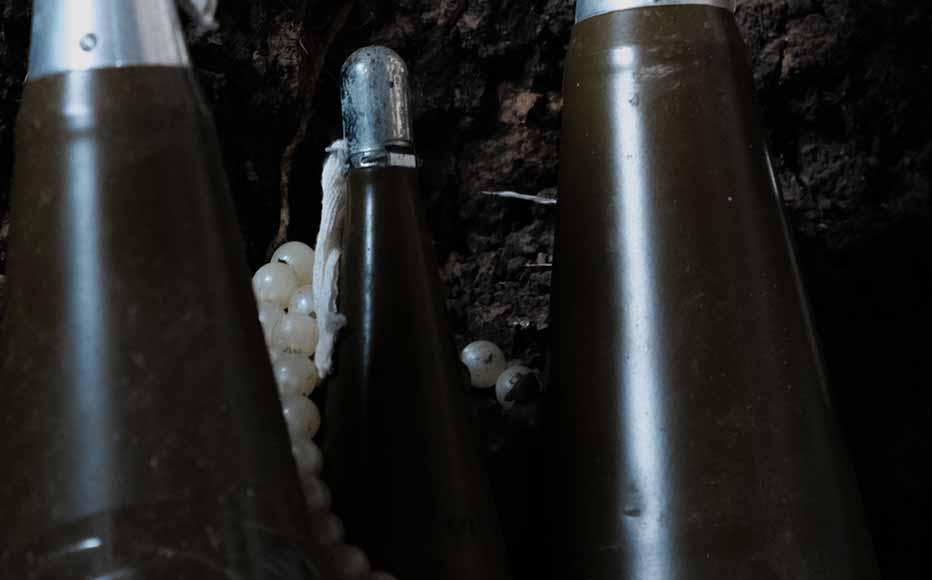
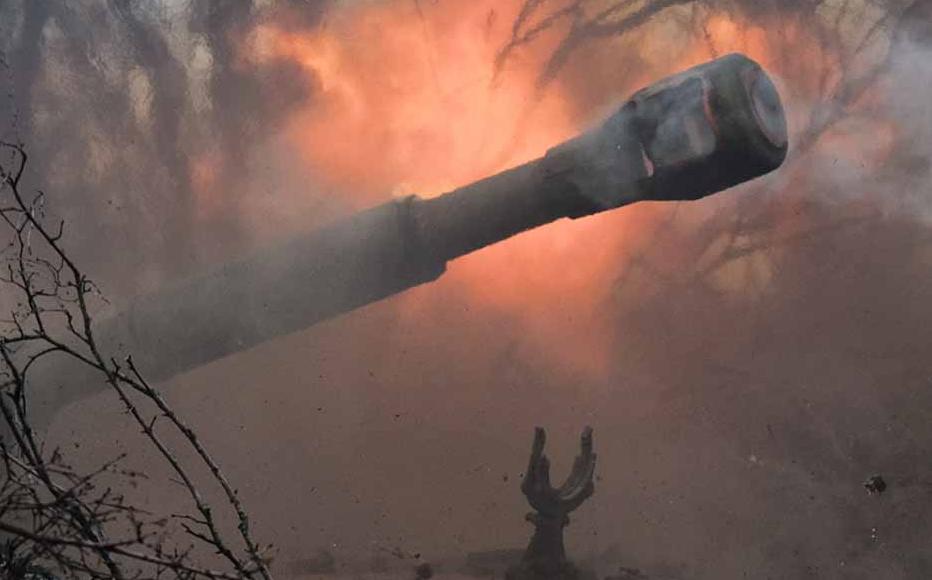
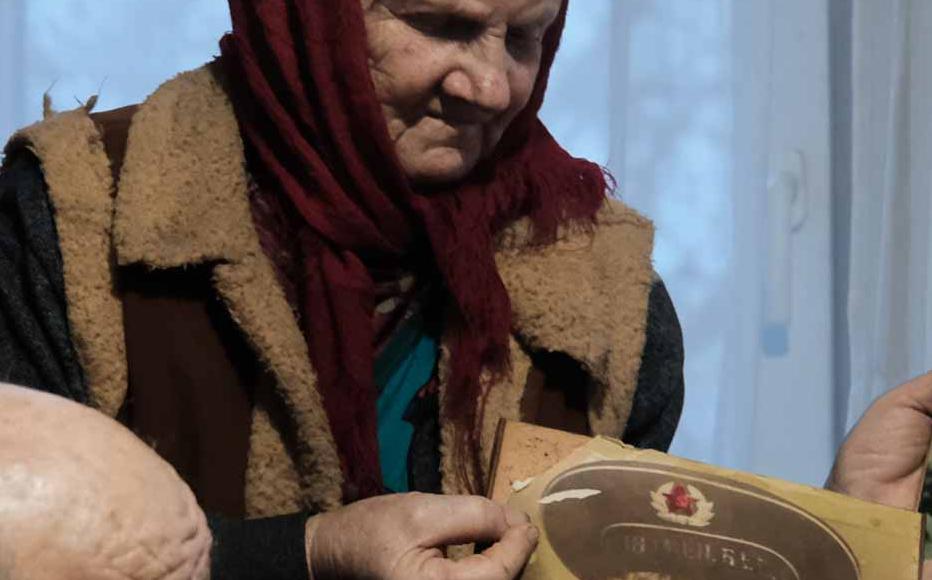
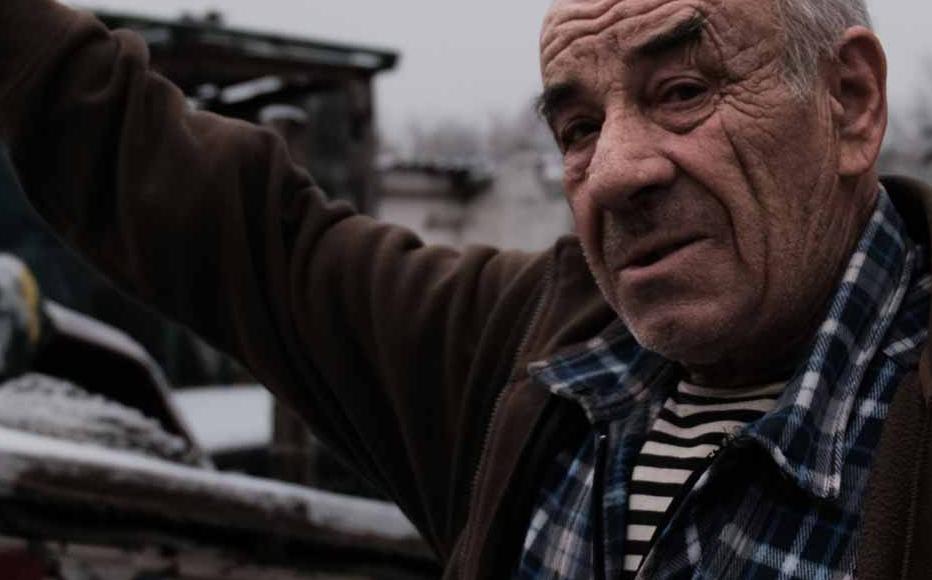
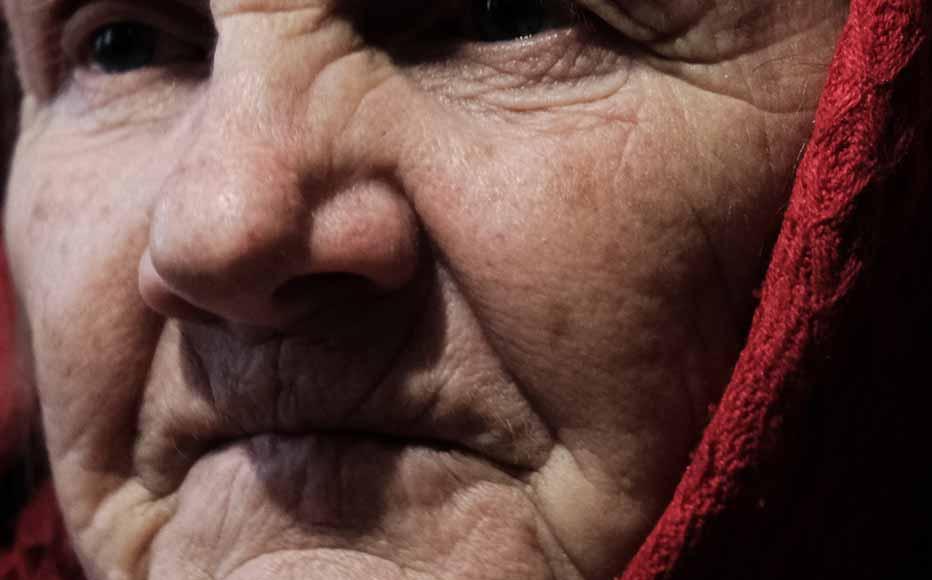

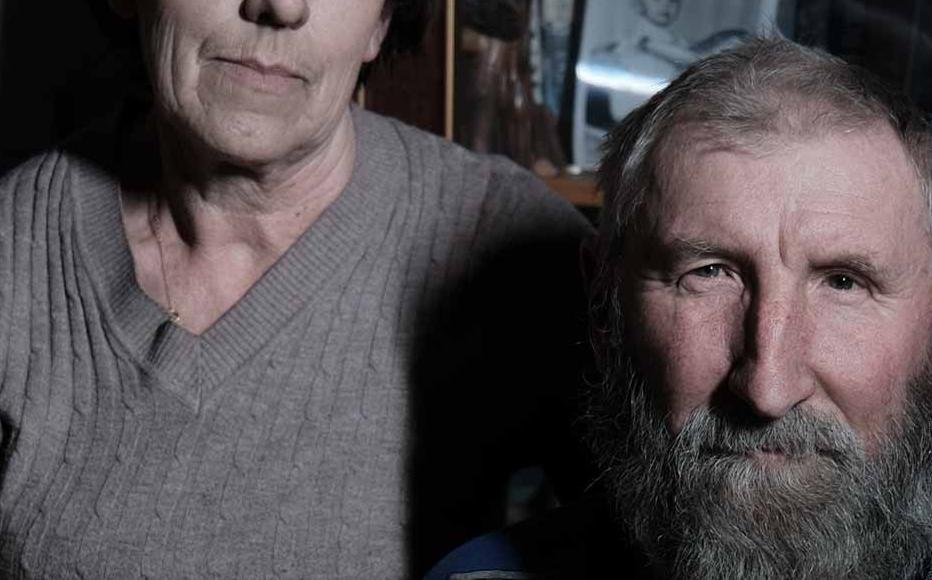
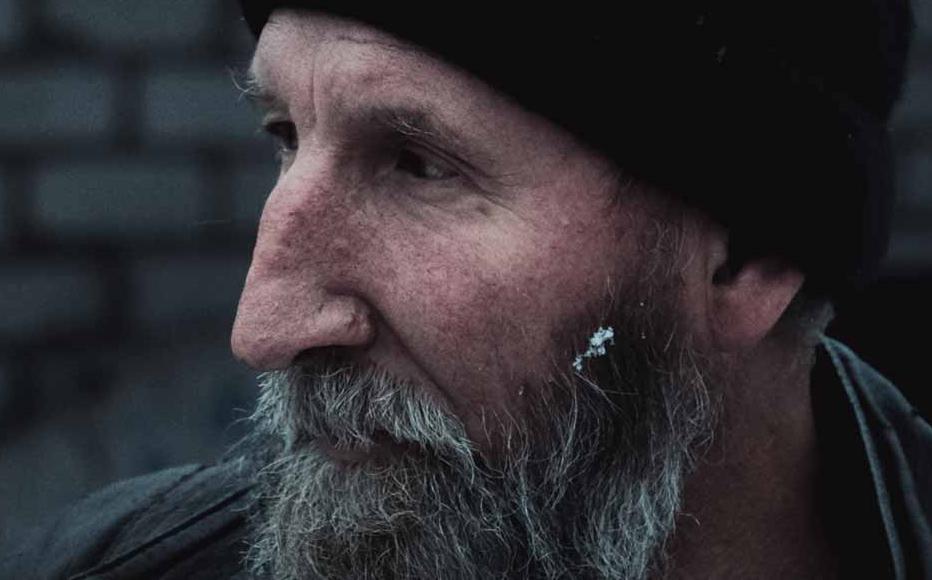
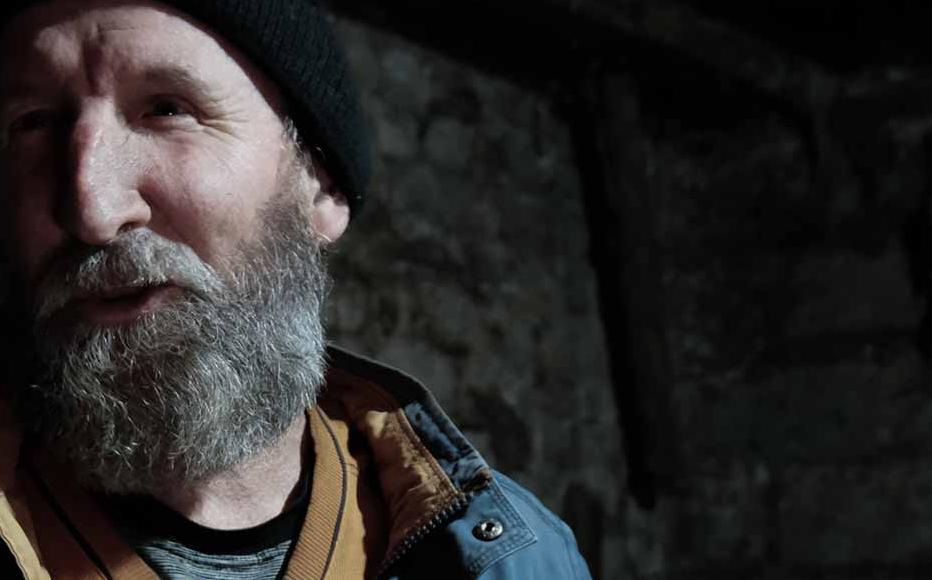
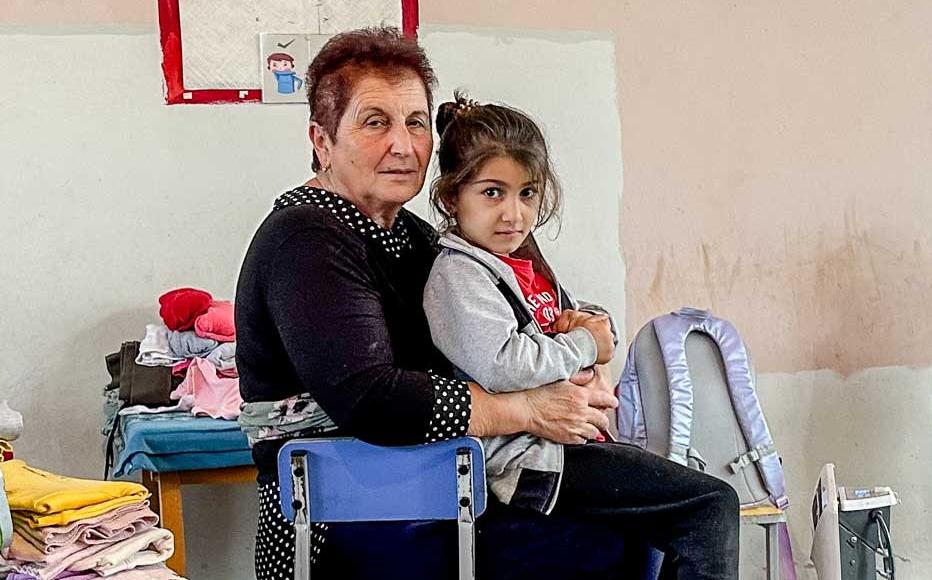

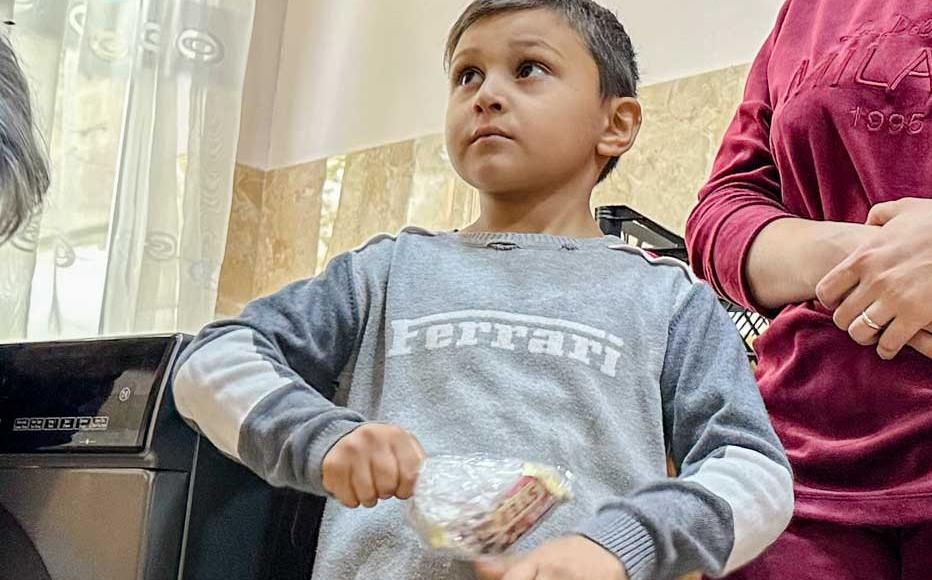
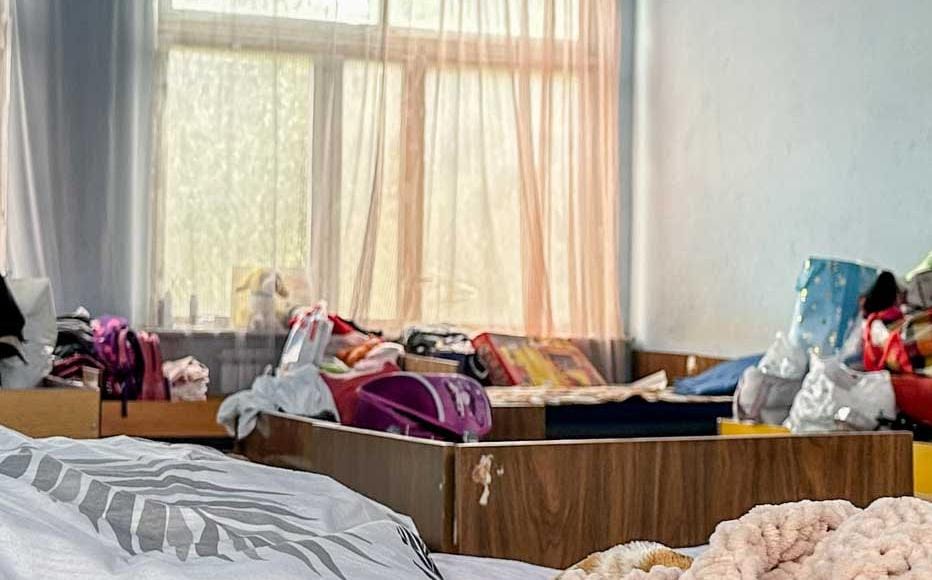
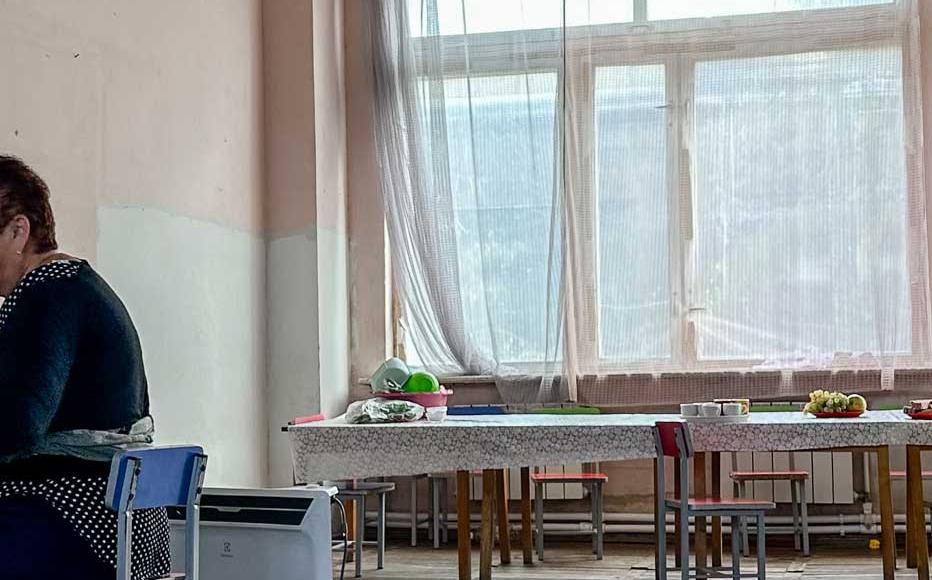
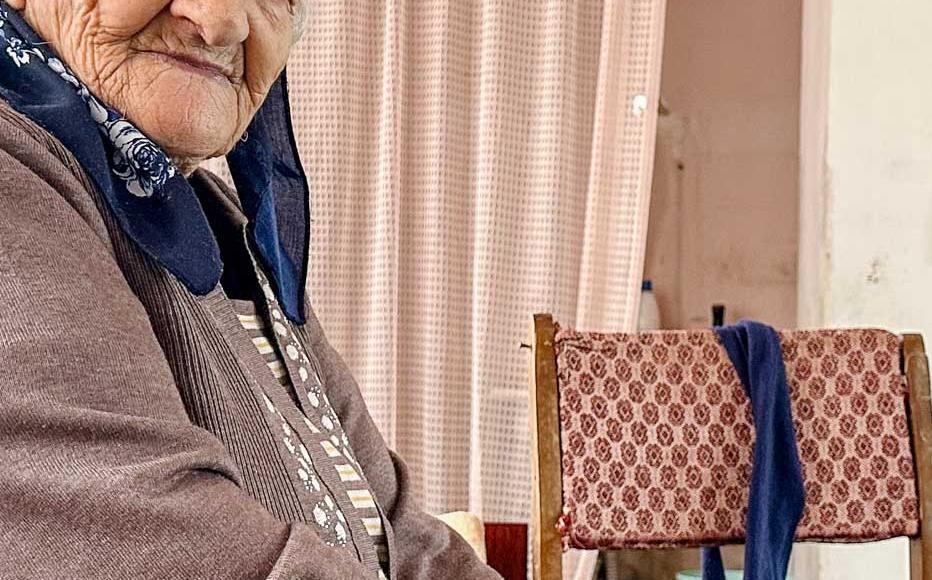


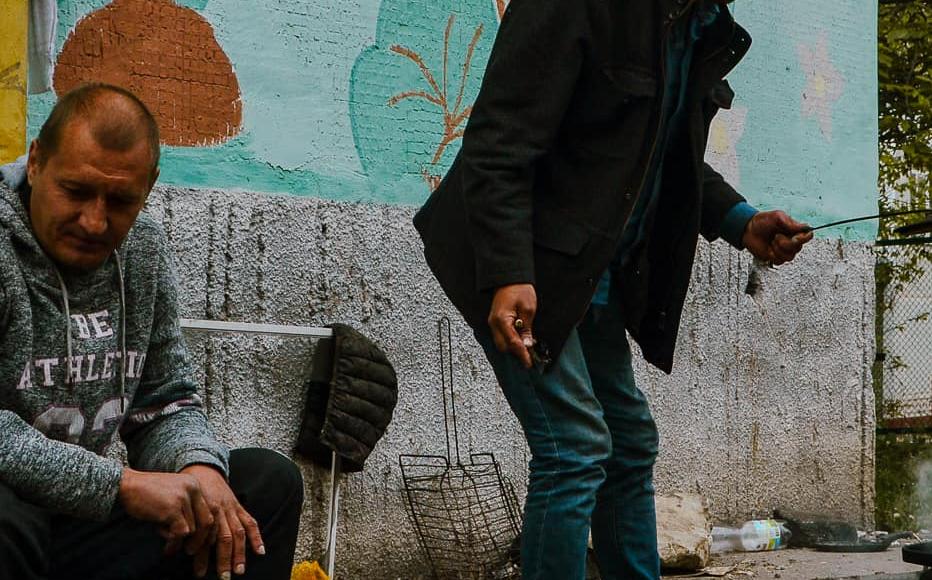

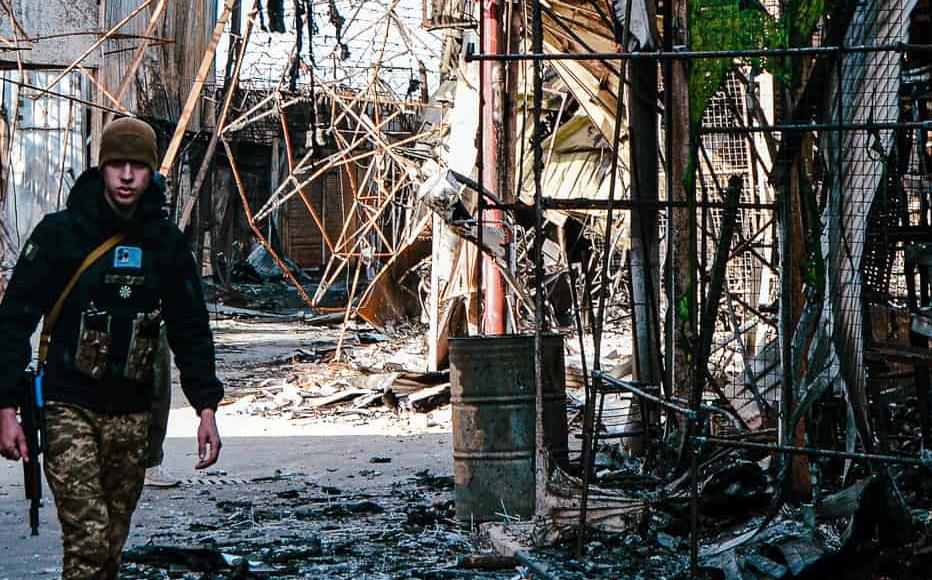

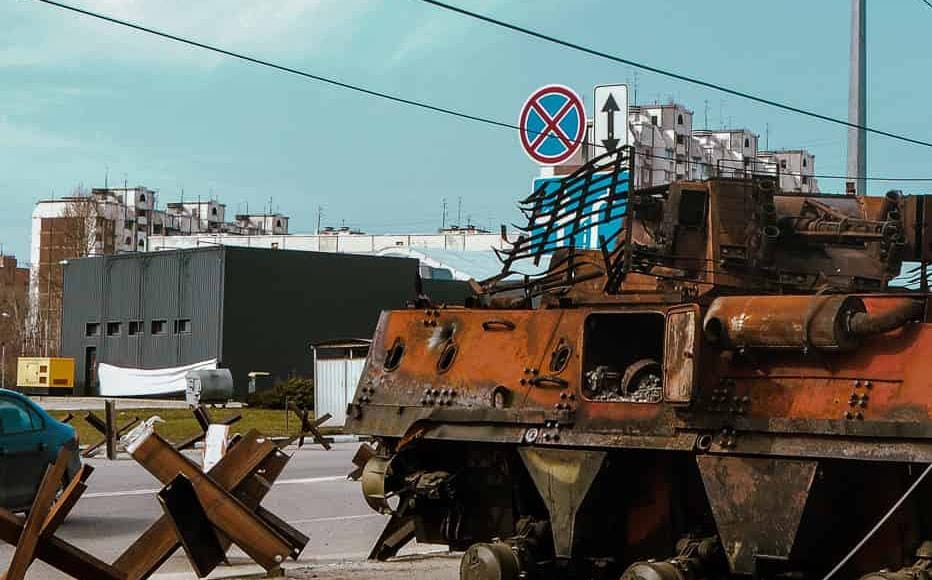
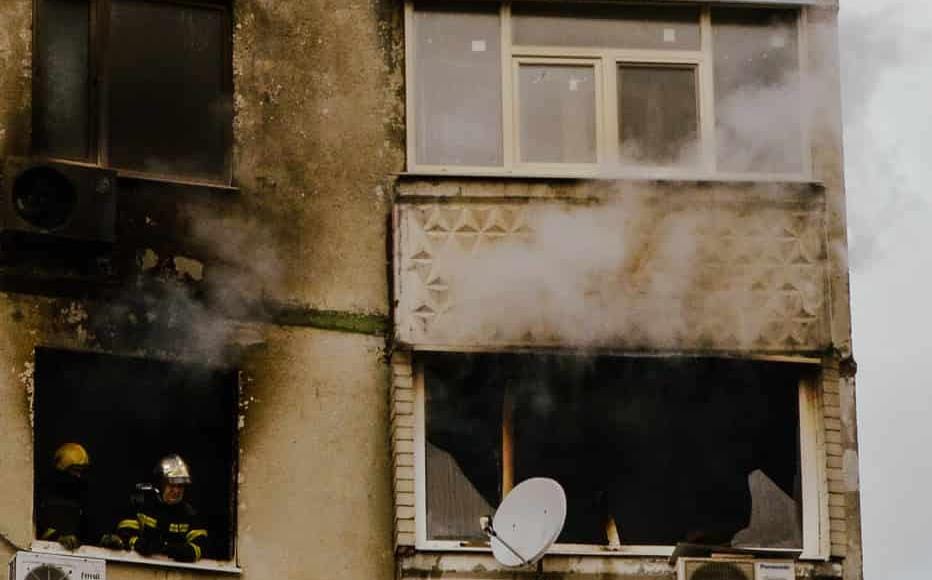





























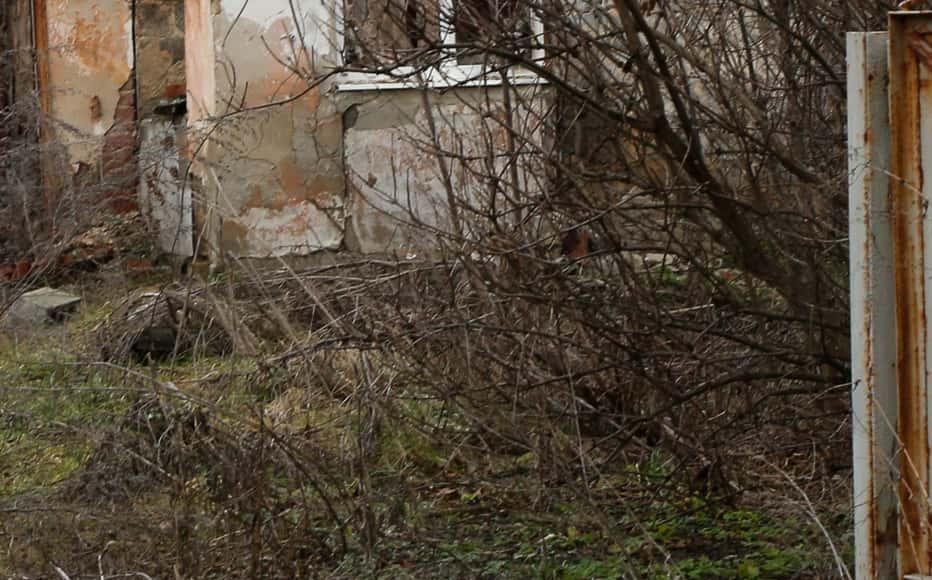
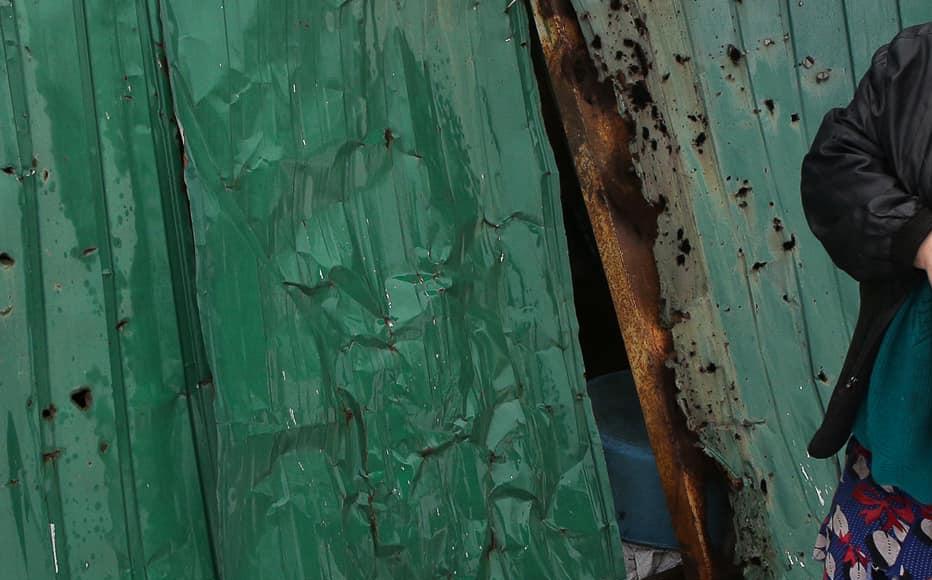
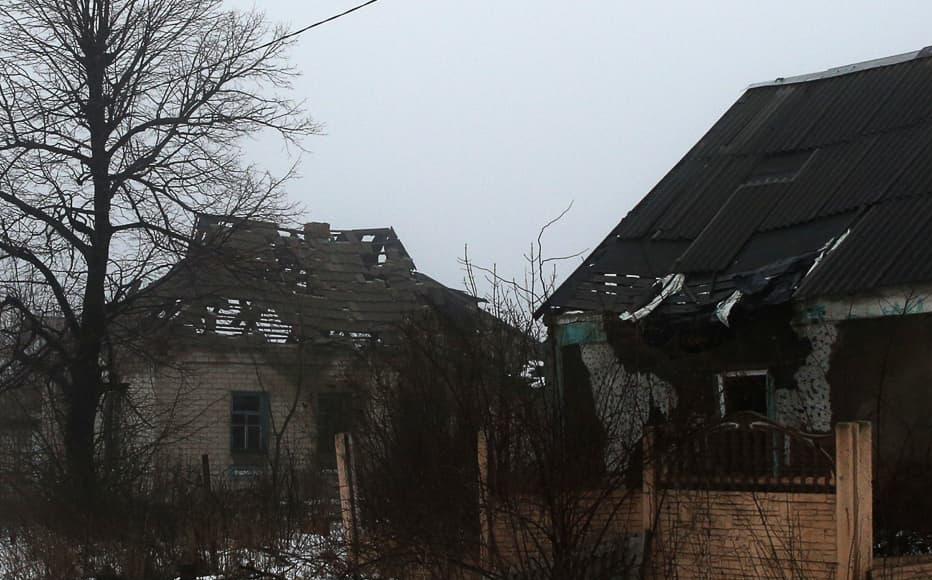
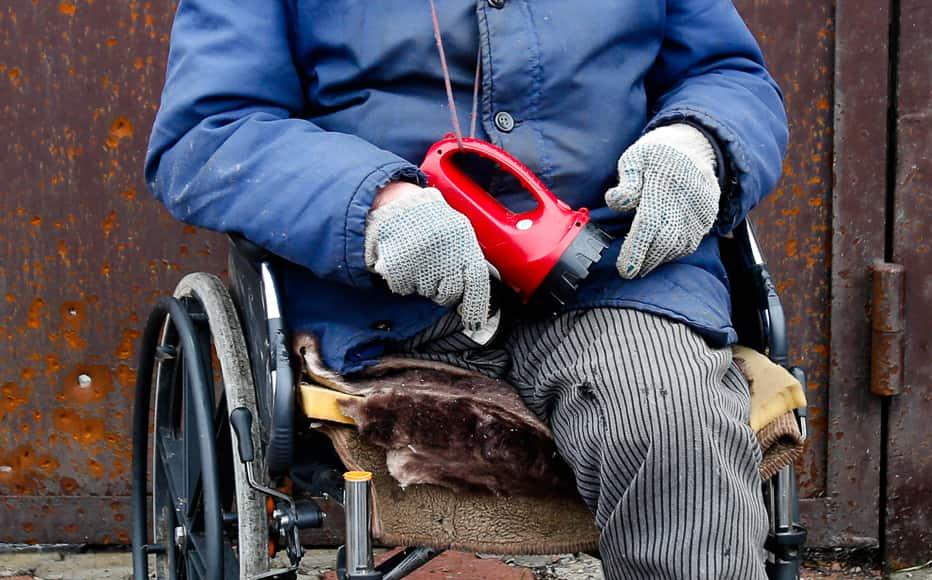
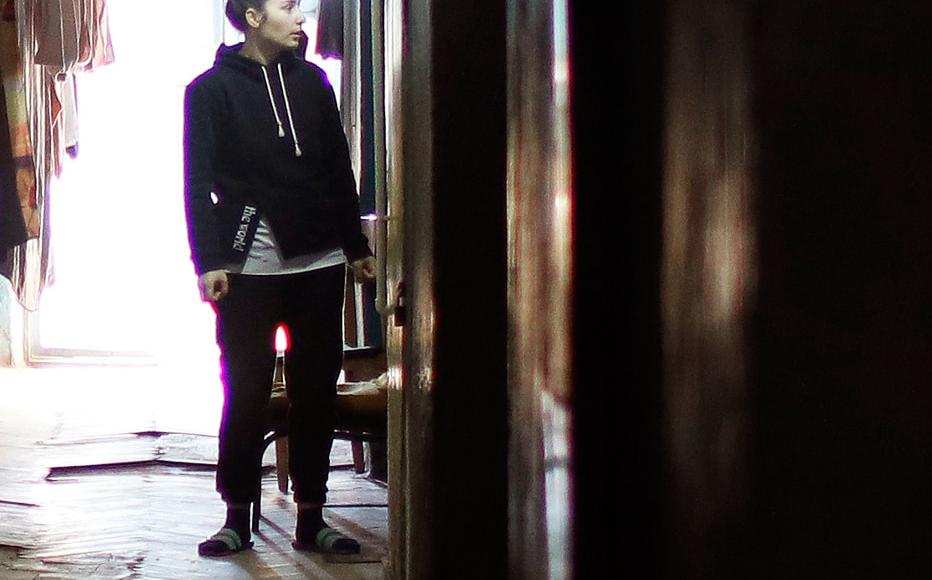
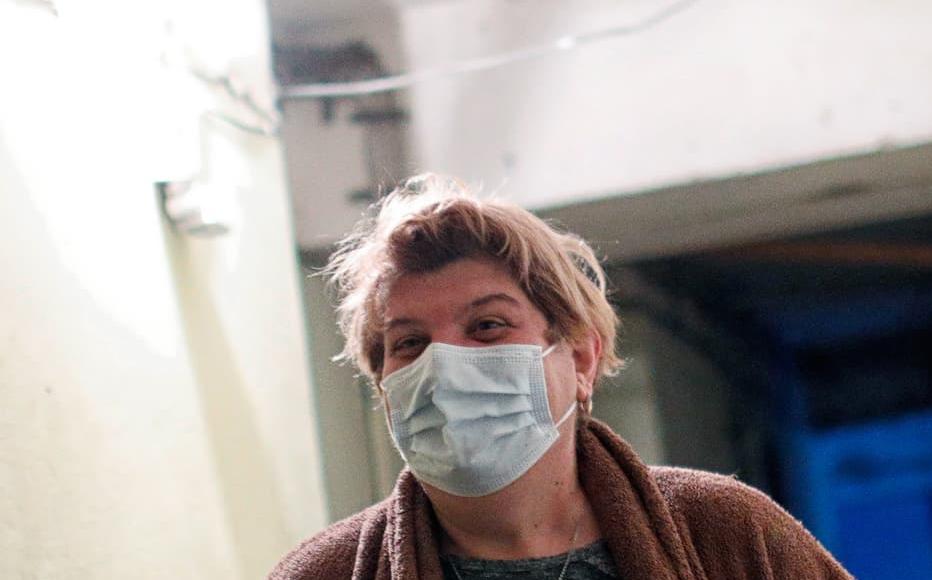
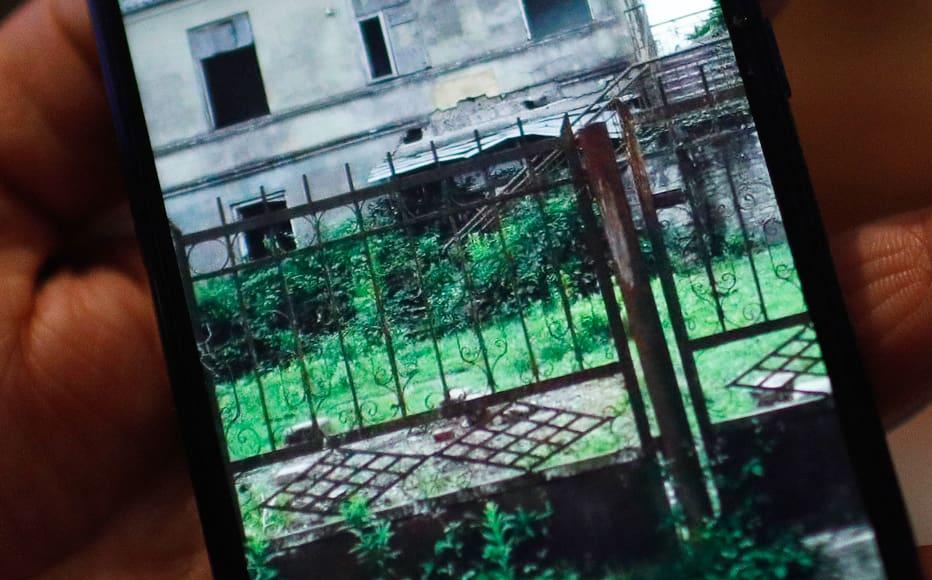
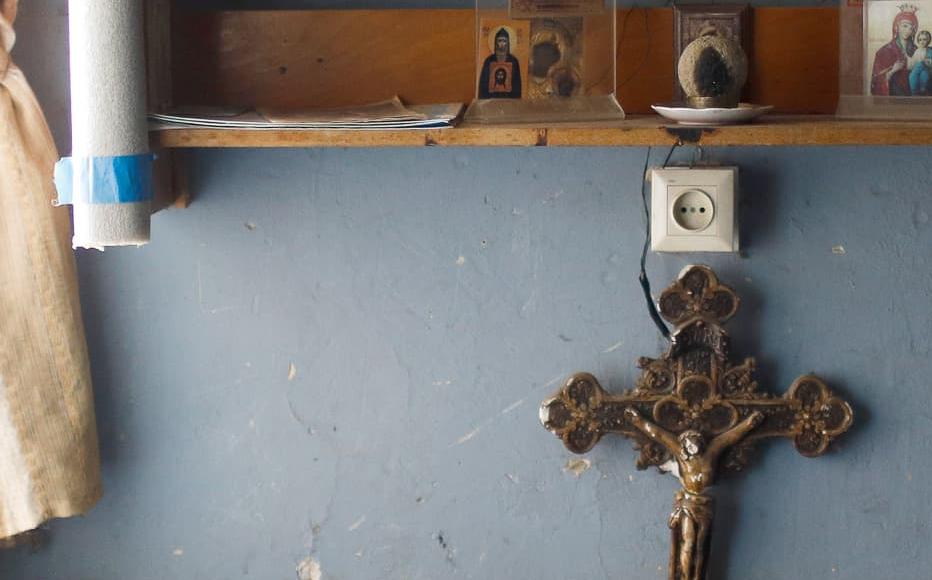
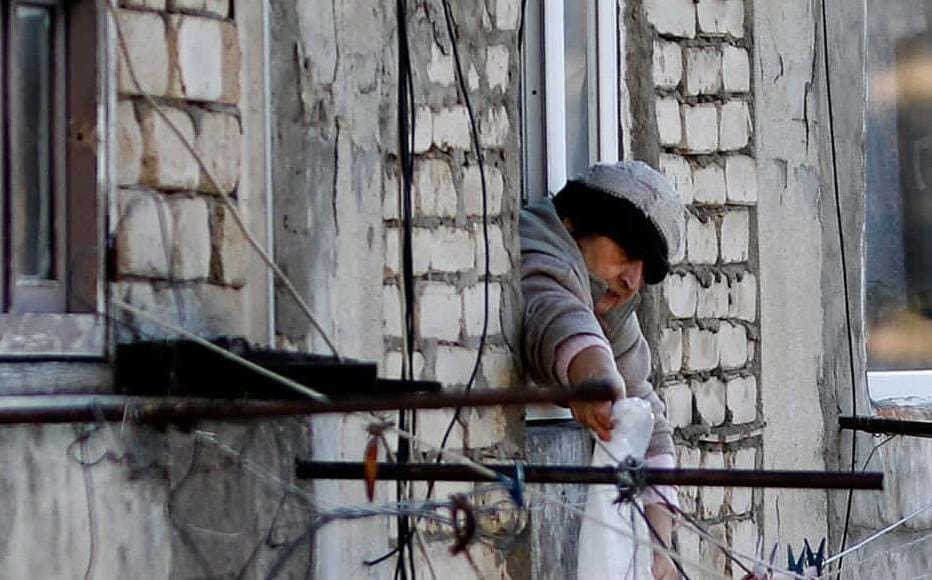
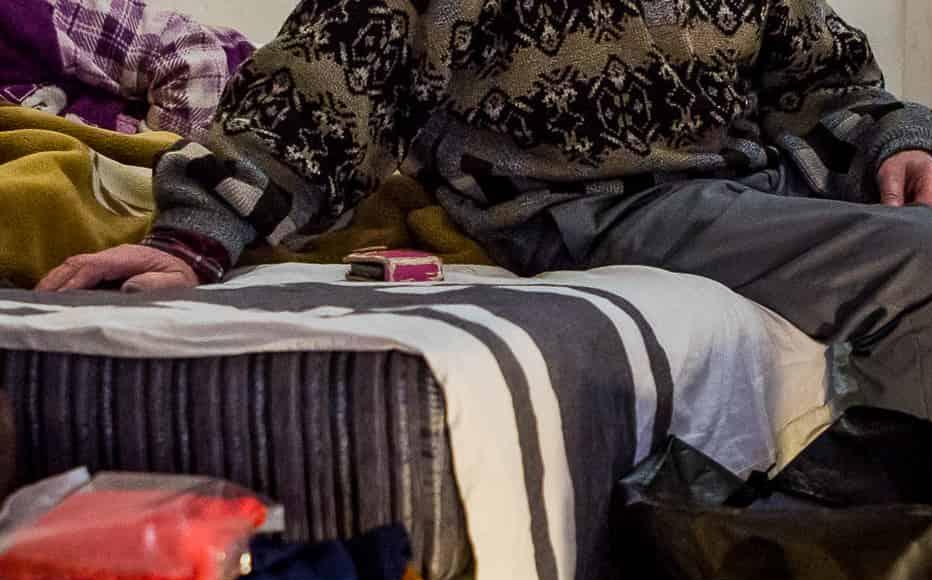
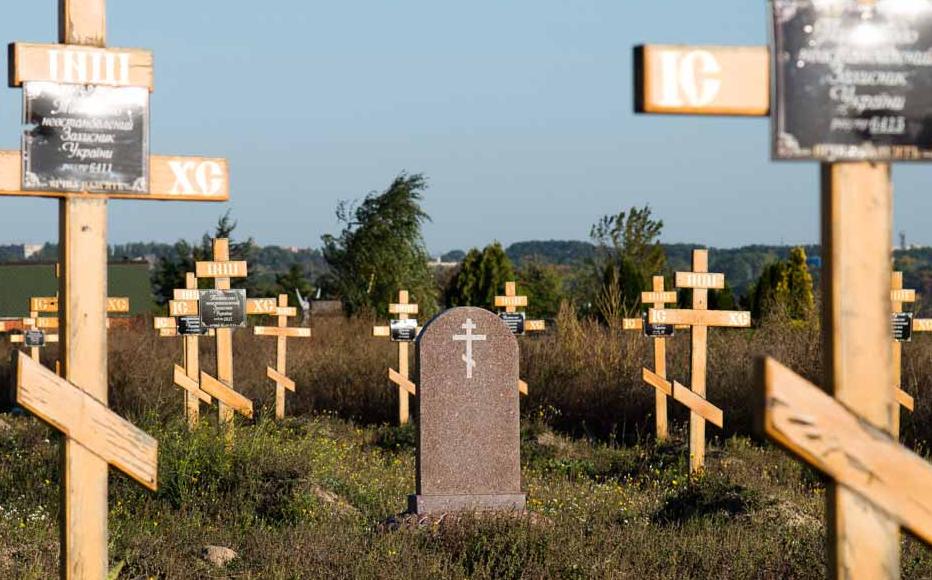
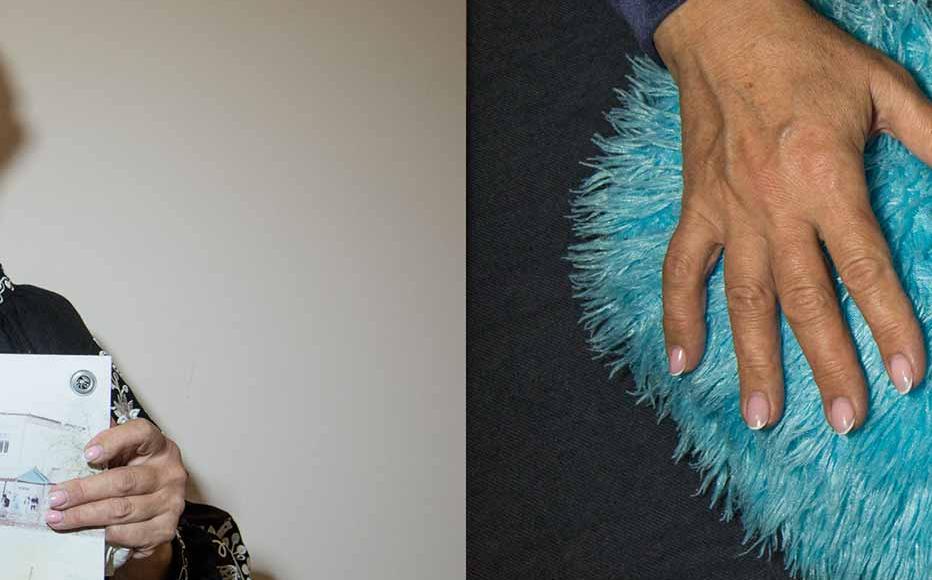
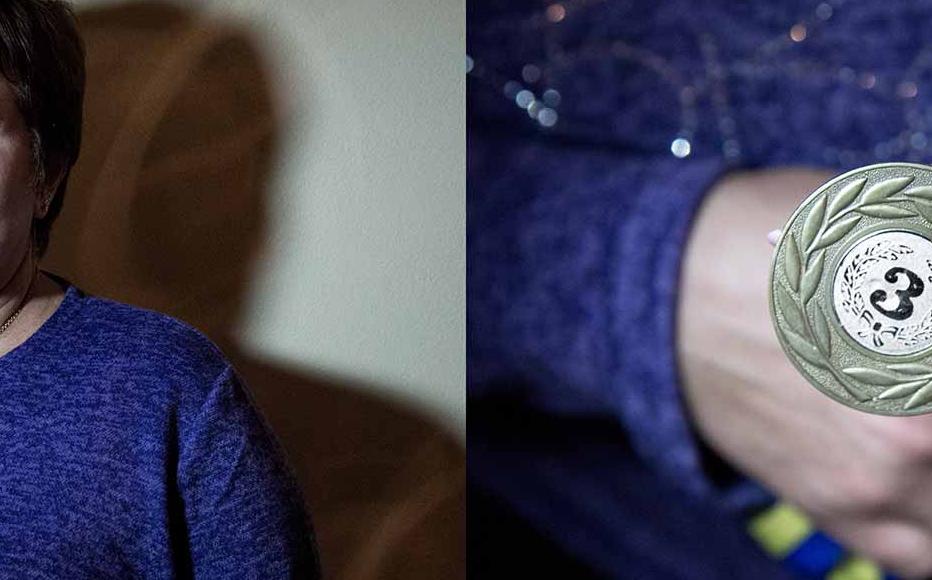
![Lyudmila on the doorstep of her house in Avdiivka. “Victor and I received this land slot from the [coke] plant. There was a pasture. We were young, strong. I remember on the first of May, on holidays, we cleared everything here and began to build the house.” (February 3, 2022)](https://cdn.shortpixel.ai/spai/q_glossy+ret_img/https://iwpr.net/sites/default/files/styles/focus_main_image_932_x_580_/public/images/story/ukraine-Elderly%20People%20On%20the%20Frontline%2002-A%20Stepanov.jpg?h=41f55a5b "Lyudmila on the doorstep of her house in Avdiivka. “Victor and I received this land slot from the [coke] plant. There was a pasture. We were young, strong. I remember on the first of May, on holidays, we cleared everything here and began to build the house.” (February 3, 2022)")
















In the News
Democratic accountability comes from journalists investigating their own societies – IWPR provides a much needed platform and support for those reporting from some of the most dangerous and difficult places in the world.
Disinformation is a major global threat , especially in conflict and post-conflict areas. IWPR performs a vital mission, building up local voices as a bulwark against this challenge.
IWPR fills a critical gap by helping local journalists to focus on human rights and justice issues. In the process, it contributes to democratic transitions, and demonstrates that the best war reporting is not about military conflict, but human consequences.