

Moldova’s Fake News Fightback
How NGOs and independent media united to counter an organised disinformation campaign.
Armenia Pursues “Astronomical” Fines for Defamation
Warnings that new legislation will have a chilling effect on independent media.

Karabakh Still Risky for Journalists
Border changes and simmering tensions leaves those continuing to document life in the region under threat.
Georgia: Risking All to Cross the Enguri
Pandemic restrictions mean that many face arrest or serious harm if they try to cross into Tbilisi-controlled territory.

Ukrainian Border Towns Calm in Face of Russian Buildup
Locals report hearing heavy weapons fire but feel in no immediate danger.

Kompromat is Back in Azerbaijan
The regime is exploiting social media to inflict reputational damage on its critics.

Ukraine Watches in Fear as Russian Mobilisation Continues
Moscow’s threat of invasion may aim to win concessions, but the momentum for violence continues to build.

Can Armenia’s Political Truce Last?
Early elections and a new chief-of-staff unlikely to resolve ongoing crisis.

Ukraine Antagonises China, While Pleasing the US
Move to nationalise aviation firm interpreted as a sign Kyiv views Washington as a more useful strategic partner than Beijing.
Latest
Global Voices: Europe/Eurasia

Frontline Updates Newsletter








Editor's Picks

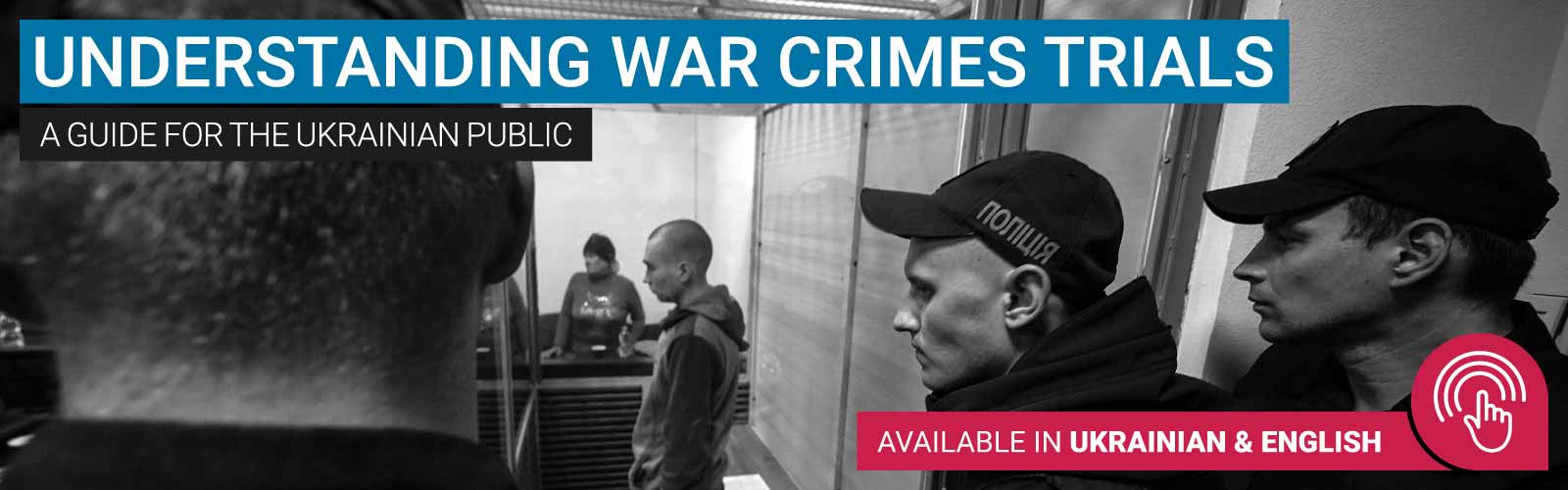
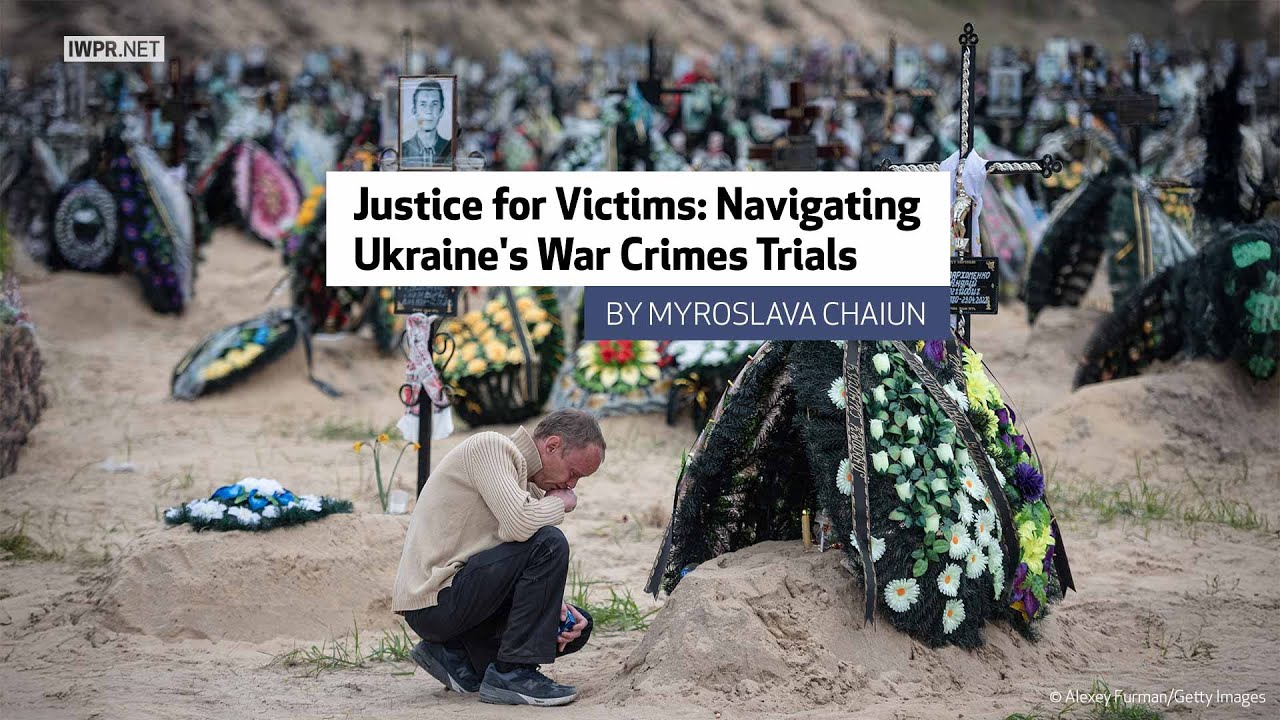
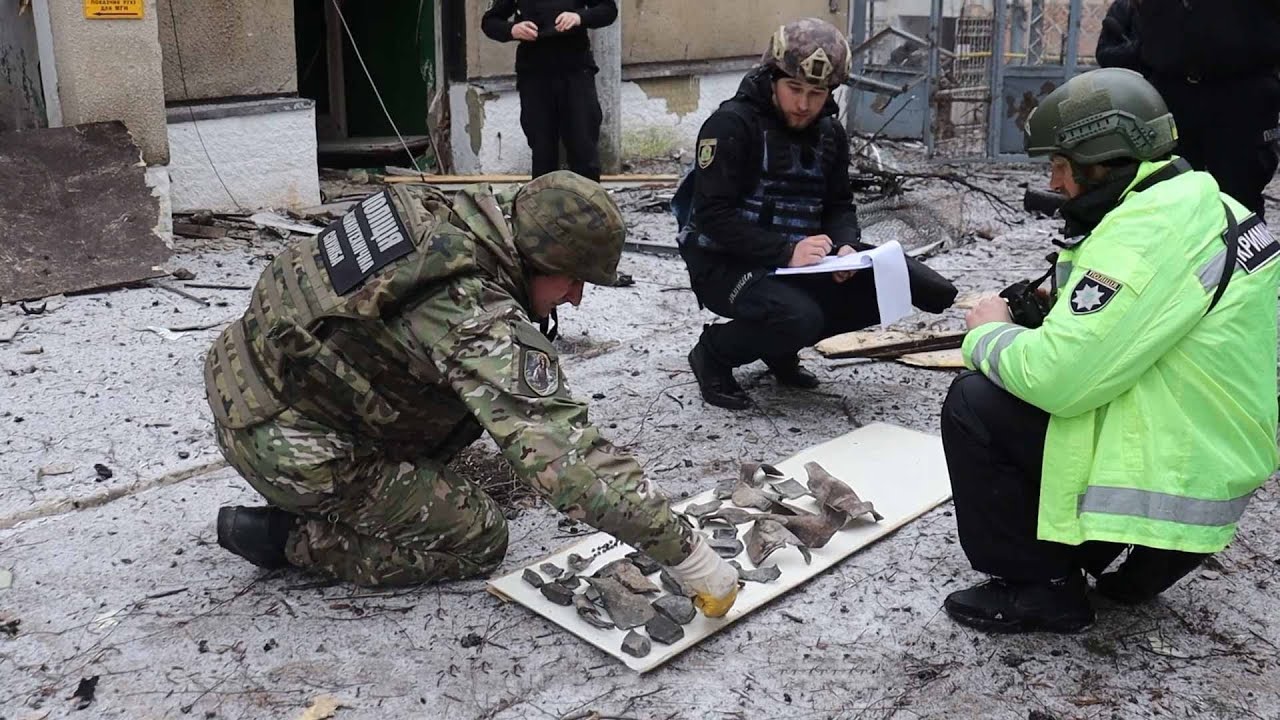
Ukraine Justice: “Reporting the Story is Just the Start”
Journalists need training and support to properly cover war crimes trials.

Ugandan Women Pay the Price of Exploitation
Activists warn that vulnerable domestic workers risk abuse, often returning with serious health conditions.

Harsh Victory at Position X
Commitment, sacrifice and luck secured a vital early win in the south-eastern campaign, but can Ukrainian forces press on?

Behind the Wheel in a Macho City
Some women face Adana's male-dominated traffic chaos for a living.

Life in the Shadows for Armenia’s Transgender Community
Recent murder highlights widespread discrimination and violence against LGBTI people.

Interview: The War on Disinformation
Open source intelligence (OSINT) can provide facts – but impatient, angry audiences often prefer opinions.