World Press Freedom Day 2026


IN THIS ISSUE:

Iran’s Digital Darkness
“This war is simultaneously eroding fundamental pillars of press freedom: access to information, the ability to verify facts and the safety of journalists.”
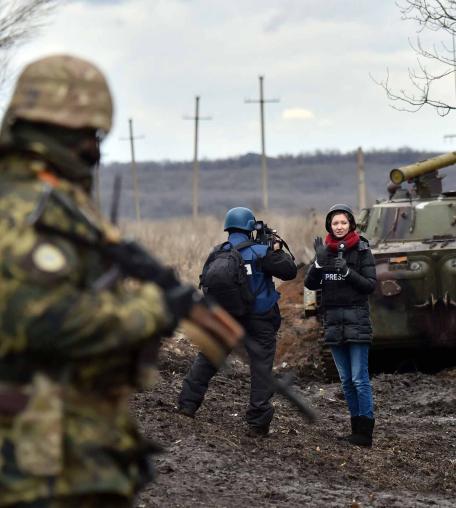
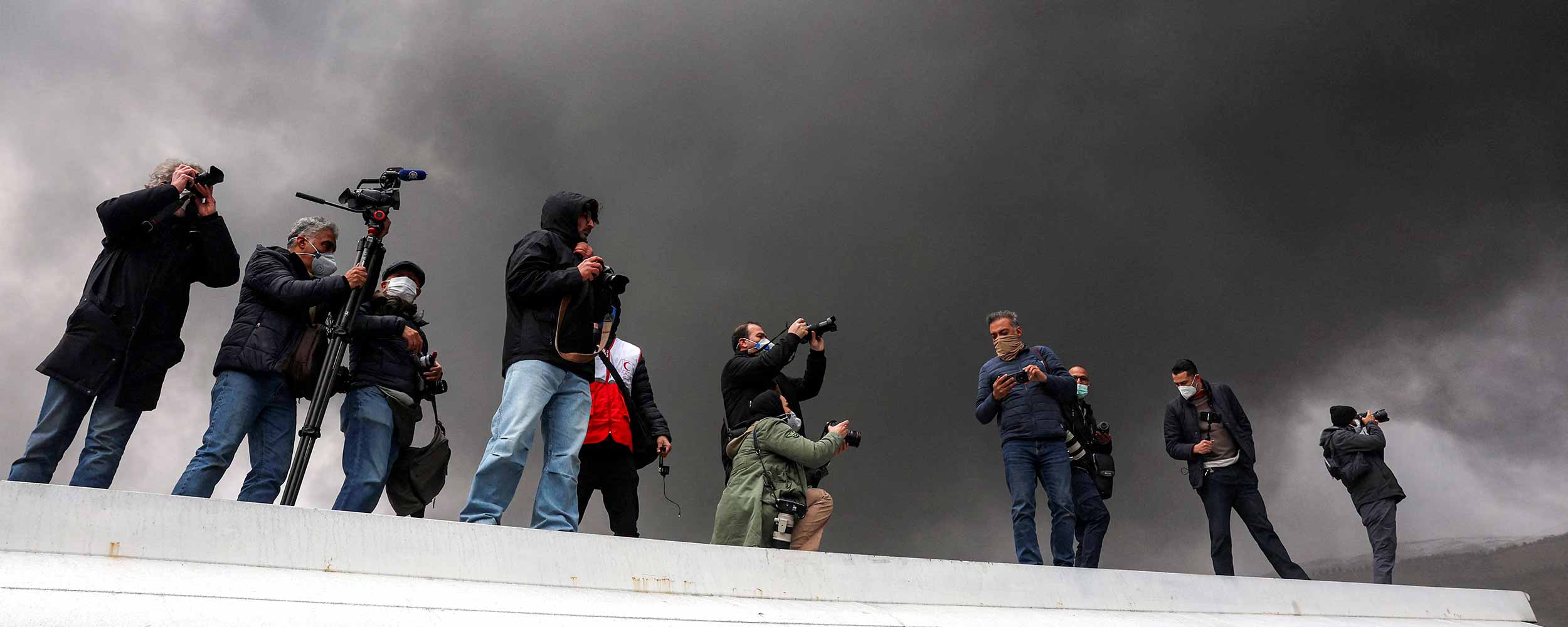
The US-Israel war against Iran has produced unprecedented and harrowing restrictions on the flow of information within the country.
War, by its very nature, disrupts or halts the flow of information to varying degrees. In times of armed conflict, governments impose restrictions on freedoms that would otherwise be permitted in peacetime. However, following the US- Israel attacks, Iranians have experienced far more than mere disruption or curtailed legitimate freedoms.
The imposition of a nationwide internet shutdown, for the third time in less than a year, ushered in digital darkness. The Iranian government has become adept at making the web inaccessible. Previously effective methods of bypassing censorship, such as VPNs and filtering tools, are now unreliable.
“The only available information is what authorities officially release.”
Independent Journalism in Cuba: It’s Illegal – But It Happens
Improvised newsrooms are beginning to take shape: a phone, a notebook and someone willing to tell the world what is happening.
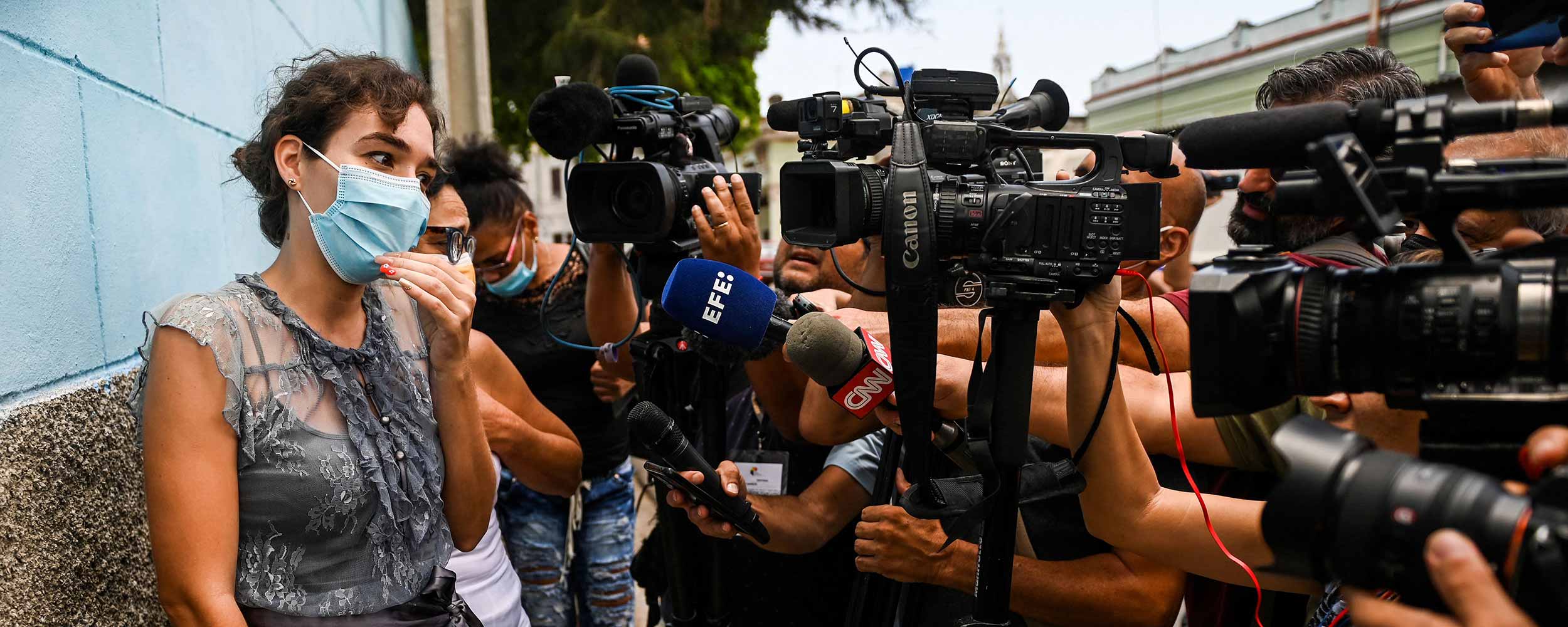
The state of independent journalism in Cuba could be summarised thus: it’s illegal - but it happens.
The regime has formalised censorship through measures such as the 2019 law which penalises those who publish online content contrary to “social interest, morality, or the integrity of individuals” and the decree issued one month after 2021 protests which classifies criticism of the revolution on social media as “cybercrime.”
Other regulations define receiving funds for independent media, particularly from the US, as “mercenarism”. According to the Committee to Protect Journalists (CPJ), systematic state harassment forced around 150 journalists into exile between 2022 and 2024.
“My family knows that at any moment, for any reason, I could be arrested.”
Exiled Myanmar Media Keep Reporting Alive
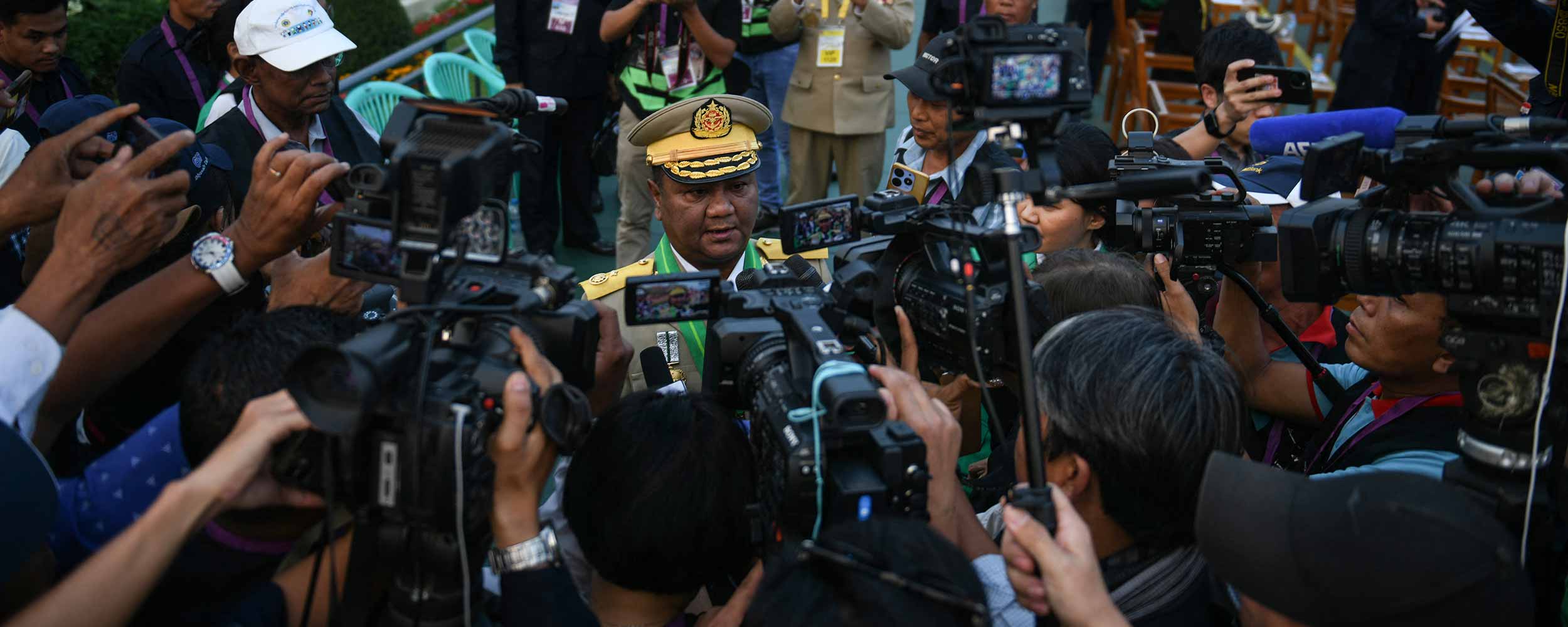
The junta has systematically dismantled press freedom by arbitrarily arresting, jailing and even killing reporters as well as imposing internet shutdowns.
In the aftermath of Myanmar’s February 2021 military takeover, independent journalist Linn soon fell foul of the regime’s crackdown on free expression.
Having overthrown the elected government led by Aung San Suu Kyi, ending a decade of partial civilian rule, the junta - known as the Tatmadaw – quickly moved to clamp down on the media.
Just two weeks after seizing power, the regime revised Article 505 (A) of the penal code, criminalising any form of comment that could “cause fear” or spread “false news”.
"I had to flee because I no longer felt safe in my own country.”
“We Continue Reporting the Junta’s Abuses”
Hybrid media outlet uses mix of diaspora staff and citizen journalists to report on events in Shan state.
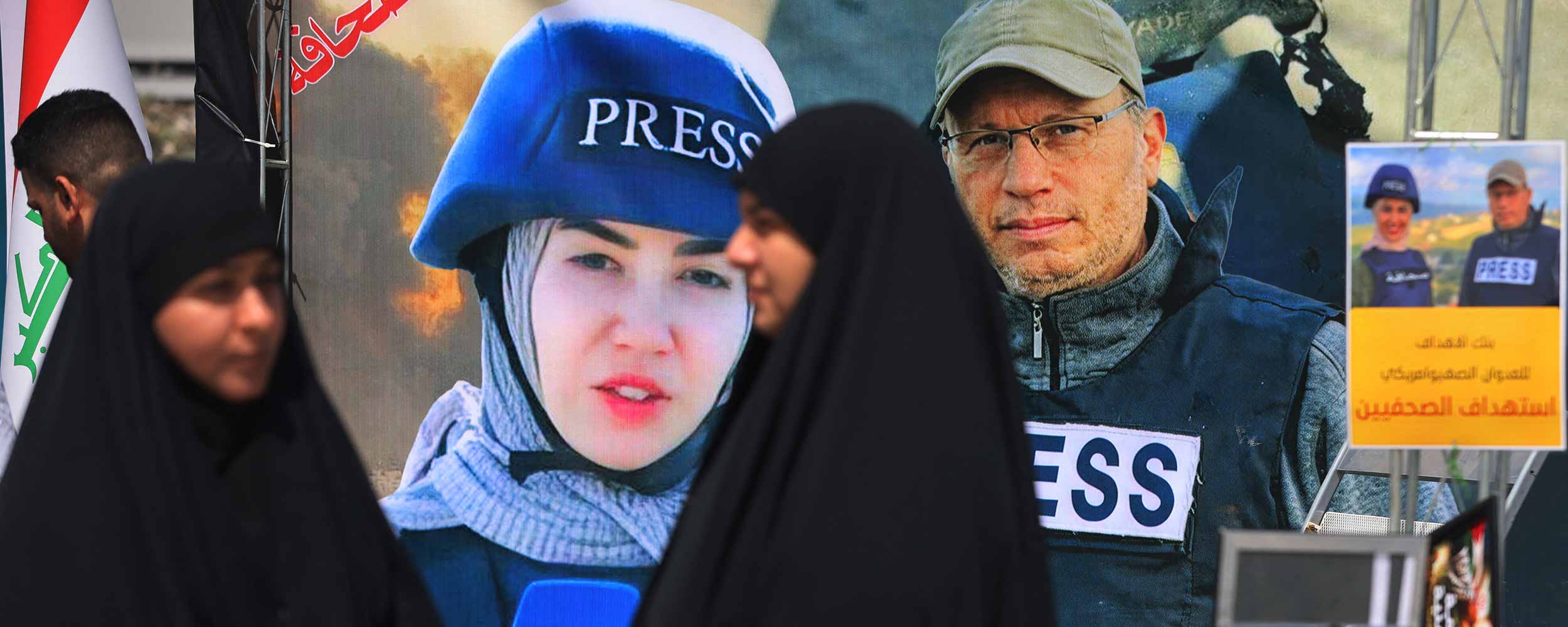
My wife and I were hopeful, like many in the Shan community, about what was happening to our country before the coup. That is why in March 2019 we left Chiang Mai, Thailand where I had been working with an international human rights organisation, to return to Shan state to raise our children.
But when the coup happened, all our dreams were gone. My wife and kids - my daughter was then seven years old, and my twin sons were just four years old - had to flee the fighting and bombs. We had to hide in the mountains in the northern Shan state for safety. My children were crying and so afraid.
With the help of family and friends from human rights organisations, I was able to flee to Chiang Mai along with other colleagues from SHAN. It took me a year to prepare the processes for my wife and children. Finally, around March 2022, my wife and children joined me in Chiang Mai.
“We will continue telling the stories on the junta’s abuses and hardships of our people despite the huge risks."
Reporting Under Repressive Regimes: Balancing Between Ethics and Safety
Hybrid reporting – reporting from the ground and through diaspora – will continue to be a critical approach for journalists and media outlets under repressive regimes.
Amid growing authoritarianism, journalists and news outlets in the world’s most repressive environments are becoming ever more innovative to safely continue their work.
There are no “one size fits all” guidelines on how to work in such challenging environments. The different global contexts where IWPR operates with local journalists and media outlets are widely varied and nuanced. Hybrid threats from regime officials and non-state actors alike can combine with physical and digital danger as well as psychological stress.
In some repressive areas, such as several countries in the Middle East, environmental issues are an area in which there may be more freedom to report. In Latin America, given collusion between organized crime and large corporations, the opposite is often true.
“Regardless of location and continuing authoritarian pressures, independent journalism continues to find a way to survive and even flourish."
On the Frontline of Trauma-Sensitive Reporting
Journalists play a vital role in protecting human dignity and upholding human rights overall through survivor-centered reporting.
Trauma-sensitive reporting helps change a person’s role from victim to storyteller.
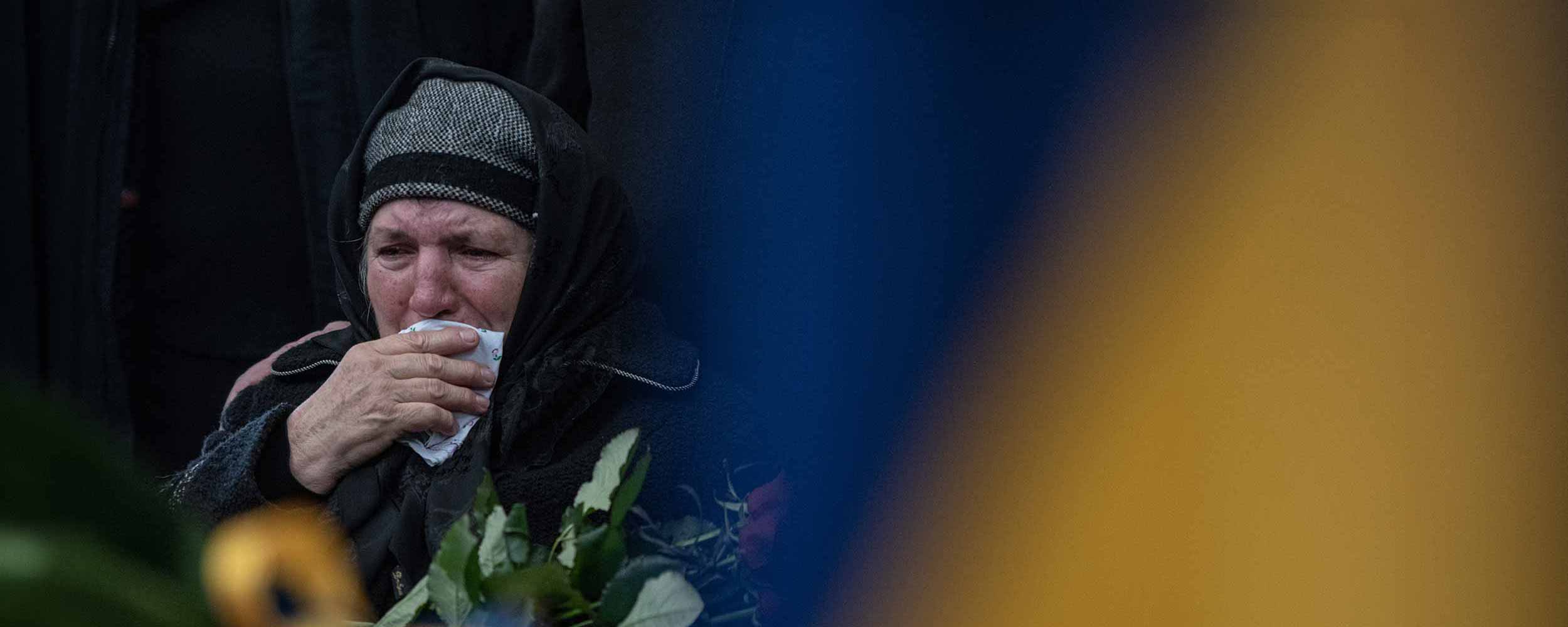
Following the full-scale invasion, we established The Reckoning Project as part of the Public Interest Journalism Lab and developed a clear methodology that helped us distinguish war crimes from other violations and understand how to cover them in the right way. Our collaboration with lawyers has also been crucial, giving us insight into the patterns of Russian actions.
At the core of our work is striking the balance between our journalistic duty to report on crimes and the imperative to protect survivors and witnesses from further trauma. Exposing crimes and protecting survivors or witnesses from re-traumatisation go hand and hand, not against each other. When people know their story can have a broader impact, it gives them a stronger sense of purpose in sharing it.
“A properly conducted interview can help transform a cloud of pain – a traumatic experience – into a structured narrative. It effectively changes a person’s role from victim to storyteller."
Success at a Double Cost
Women journalists carry an extra burden to prove their competence.
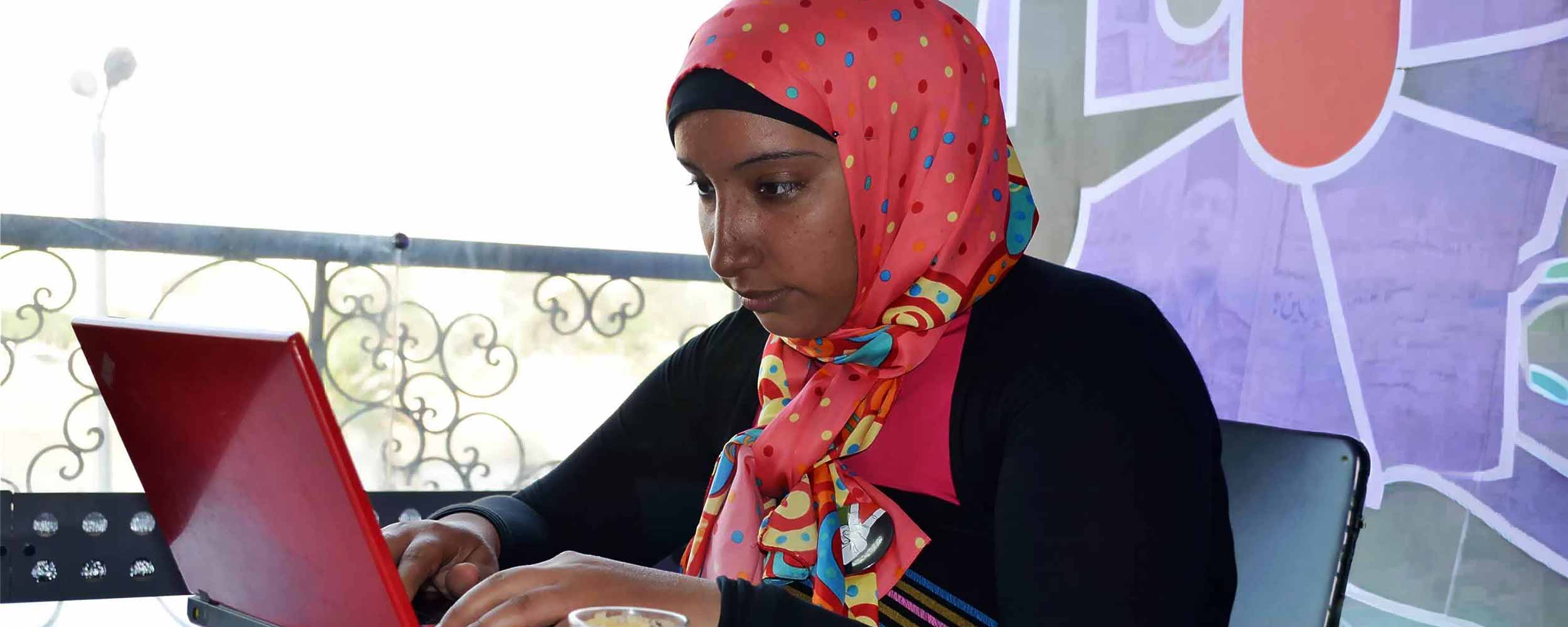
Investigative journalist Nadia Mabrouk’s long history of work on women’s rights is driven by harsh personal experience. Her mother was shot dead after defying her family to marry the man of her choice, leaving behind two daughters.
"My mother’s killing showed me very clearly the condition of women in Egypt, deprived of rights that should be self-evident," said Mabrouk.
Now a journalist for more than 20 years, her diverse career – beginning at Al-Ghad newspaper and moving on to half-a-dozen other Egyptian outlets before going freelance – has served to reveal the reality faced by female journalists.
"As women, we are not seen. The work we do is not appreciated."