

Few Tears Shed for "Tajik Bin Laden"
Killing of veteran militant seen as al-Qaeda emissary has eased but not removed security threat in Central Asian state, analysts say.
Afghanistan: Feb/Mar'11 Part II
IWPR story into increased poppy production in Kapisa spurs authorities to provide extra cash for eradication of crop.
Report Draws Funds for Afghan Region
IWPR story into increased poppy production in Kapisa spurs authorities to provide extra cash for eradication of crop.
Afghanistan: Feb/Mar'11 Part I
IWPR cited as playing major role in the creation of new body representing journalists in the Balkh region.
Media Union Emerges From Mazar Project
IWPR cited as playing major role in the creation of new body representing journalists in the Balkh region.
Afghanistan: Feb/Mar '11
IWPR preparing series of radio and television features on past abuses aimed at promoting transitional justice.

Afghan Police Criticised Over Mazar Violence
Questions over failure to contain protests that left at least 12 dead.

Taleban Try Soft Power
Allowing schools to reopen and reconstruction projects to go ahead seen as sign of pragmatic attempt to win public favour.

Afghans Debate Future US Presence
Some fear threats from neighbouring countries more than idea of permanent American military bases.
Latest
Global Voices: Asia
Editor's Picks

Ukraine Justice: “Reporting the Story is Just the Start”
Journalists need training and support to properly cover war crimes trials.
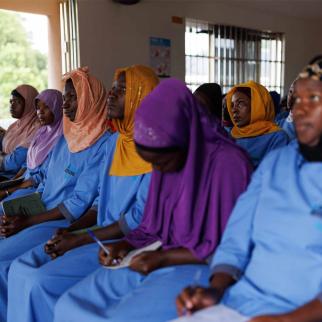
Ugandan Women Pay the Price of Exploitation
Activists warn that vulnerable domestic workers risk abuse, often returning with serious health conditions.

Harsh Victory at Position X
Commitment, sacrifice and luck secured a vital early win in the south-eastern campaign, but can Ukrainian forces press on?

Behind the Wheel in a Macho City
Some women face Adana's male-dominated traffic chaos for a living.

Life in the Shadows for Armenia’s Transgender Community
Recent murder highlights widespread discrimination and violence against LGBTI people.

Interview: The War on Disinformation
Open source intelligence (OSINT) can provide facts – but impatient, angry audiences often prefer opinions.