
Global Voices by Topics

Ukrainian Citizen Convicted of Treason and Kidnapping
Two brothers, one of whom was a minor, were abducted during the occupation of the Kyiv region in the spring of 2022.

Iran War Deepens Gaza Crisis
The ongoing conflict has made a dire humanitarian situation even worse, amid sharp restrictions on aid and repeated supply disruptions.

Hope and Fear Among Iranians in Turkey
For many, the crisis is shaped by bitter arguments over what kind of change - if any - should come next.

Search for Justice: The Story of Olena Yahupova
Having survived captivity, torture and sexual violence, Yahupova continues to fight for accountability.

Weaponising Digital Space in War
The Iran conflict shows how easily state actors and armed groups alike exploit violence to attack critical voices.

Strategic Realignment for the South Caucasus?
With competing transit routes, energy supply and security interests, the emerging regional order remains highly uncertain.

Iran War Impacts Ukraine
Kyiv fears diminished military support and increasing international distraction - but hopes to leverage its hard-won experience of drone warfare.

Lebanon: Dancing with the Coffins
“We Lebanese are often praised for our resilience. But that should not mean accepting endless suffering.”

Iran: Regional Chaos Spreads
In this week’s update, hear from IWPR staff in the Middle East on the impact of the Iran war across the region.
Global Voices
Editor's Picks

Ukraine Justice: “Reporting the Story is Just the Start”
Journalists need training and support to properly cover war crimes trials.
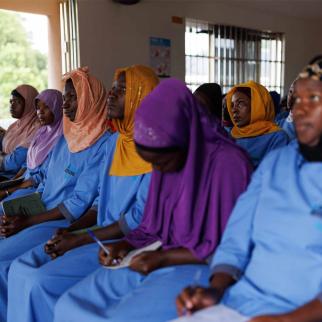
Ugandan Women Pay the Price of Exploitation
Activists warn that vulnerable domestic workers risk abuse, often returning with serious health conditions.

Harsh Victory at Position X
Commitment, sacrifice and luck secured a vital early win in the south-eastern campaign, but can Ukrainian forces press on?
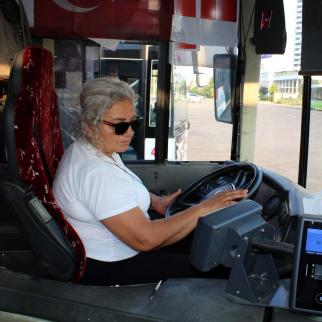
Behind the Wheel in a Macho City
Some women face Adana's male-dominated traffic chaos for a living.

Life in the Shadows for Armenia’s Transgender Community
Recent murder highlights widespread discrimination and violence against LGBTI people.
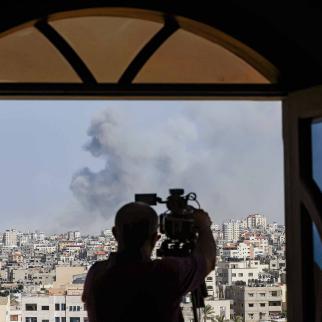
Interview: The War on Disinformation
Open source intelligence (OSINT) can provide facts – but impatient, angry audiences often prefer opinions.