
Press Gangs Roam Tajikistan
As the twice-yearly conscription year draws to an end, some are casting doubt on the military’s claims that it was a resounding success.
Torrential Rains Leave Havoc in Wake
Villagers in parts of southern Tajikistan are living as refugees in tent camps following heavy rains which produced devastating floods and mudslides.
Deep Water Perils in Kyrgyzstan
Tourists visiting Lake Issykkul, Kyrgyzstan’s main holiday destination, are on their own if they venture out into the water, and drownings are common.
Opposition Present Saakashvili With Deadline to Go
Georgian leader’s foes dismiss reported mutiny as a stunt put up by the authorities to distract public from protests.
Massacre Sparks Terror Fears in Azerbaijan
Unexplained shooting of 13 people in Baku feeds speculation about foreign ”terrorist” plots aimed at undermining stability.
Outcry in Azerbaijan After Student Protest Broken Up
Campaigners condemn police crackdown on demonstrators who disrupted commemoration of ex-president’s birthday.
Minority Schools in Georgia at Risk as Class Sizes Fall
Growing trend to opt for education in Georgian means future of Armenian schools in remote Marneuli region is uncertain.
Border Turks Want Door to Armenia Kept Shut
Plan to reopen frontier between Armenia and Turkey wins few friends in towns and villages on Turkish side.
Latest
Global Voices: Europe/Eurasia

Frontline Updates Newsletter







Editor's Picks

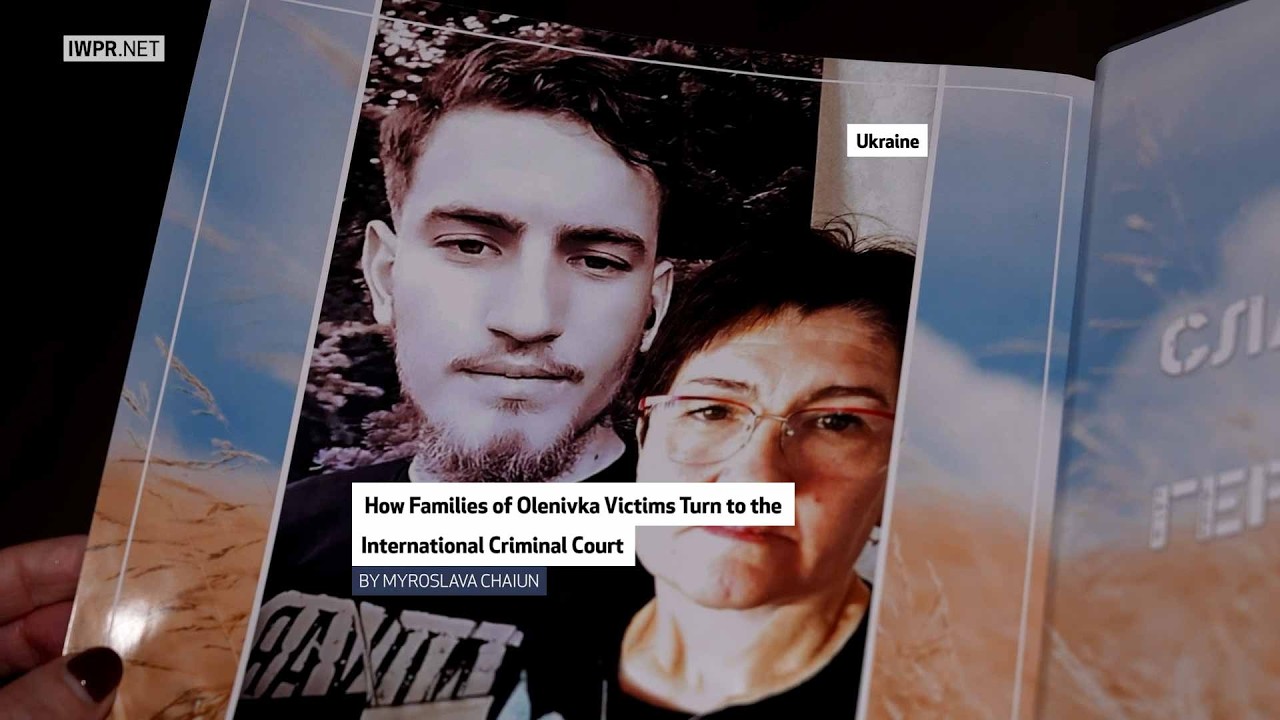
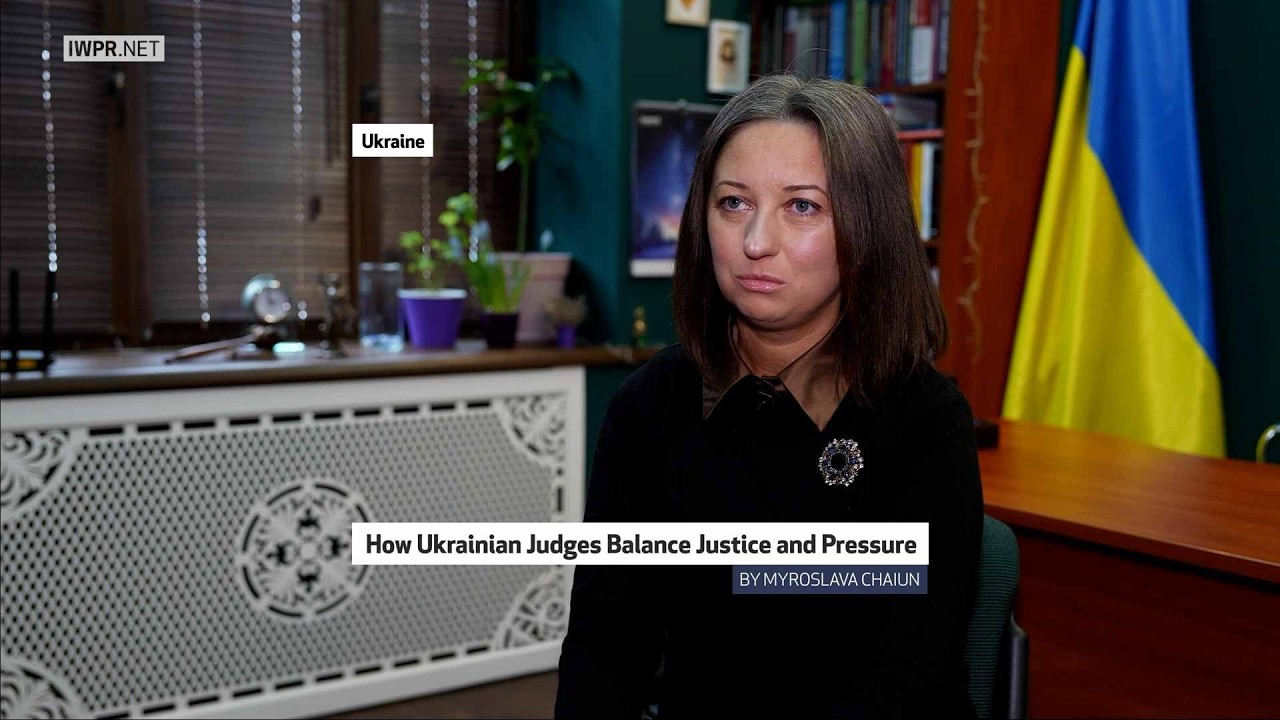
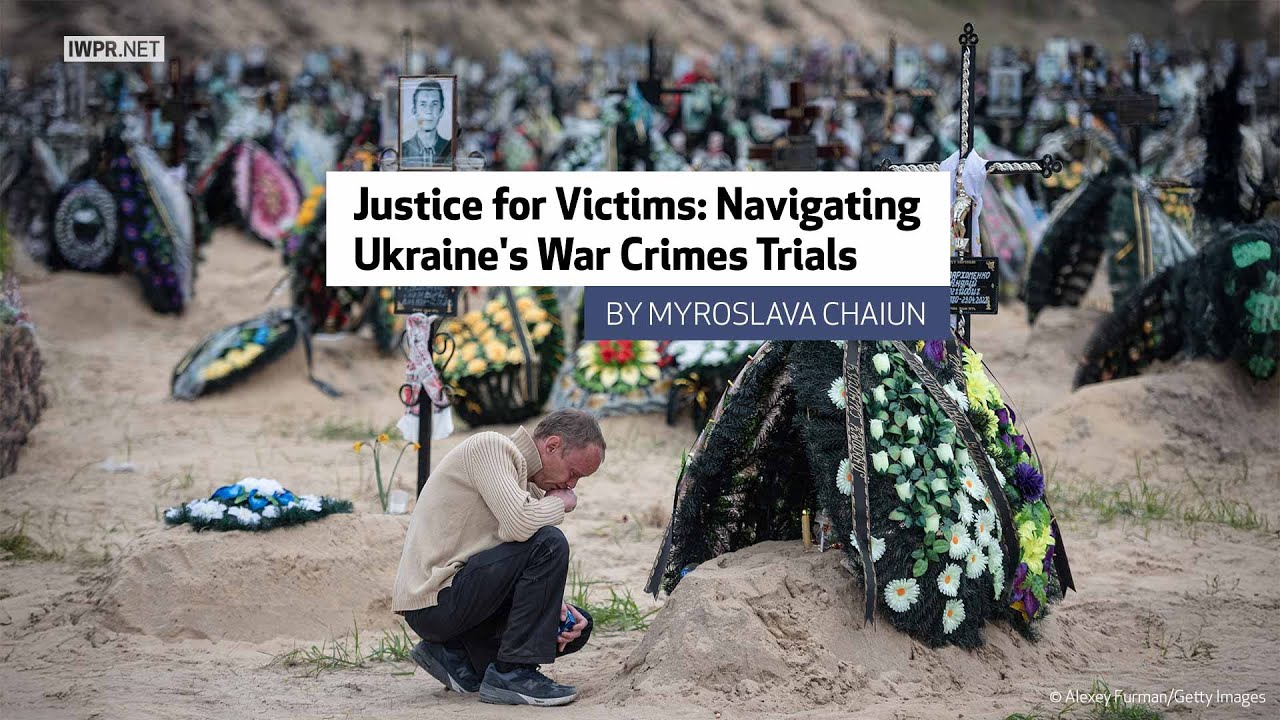
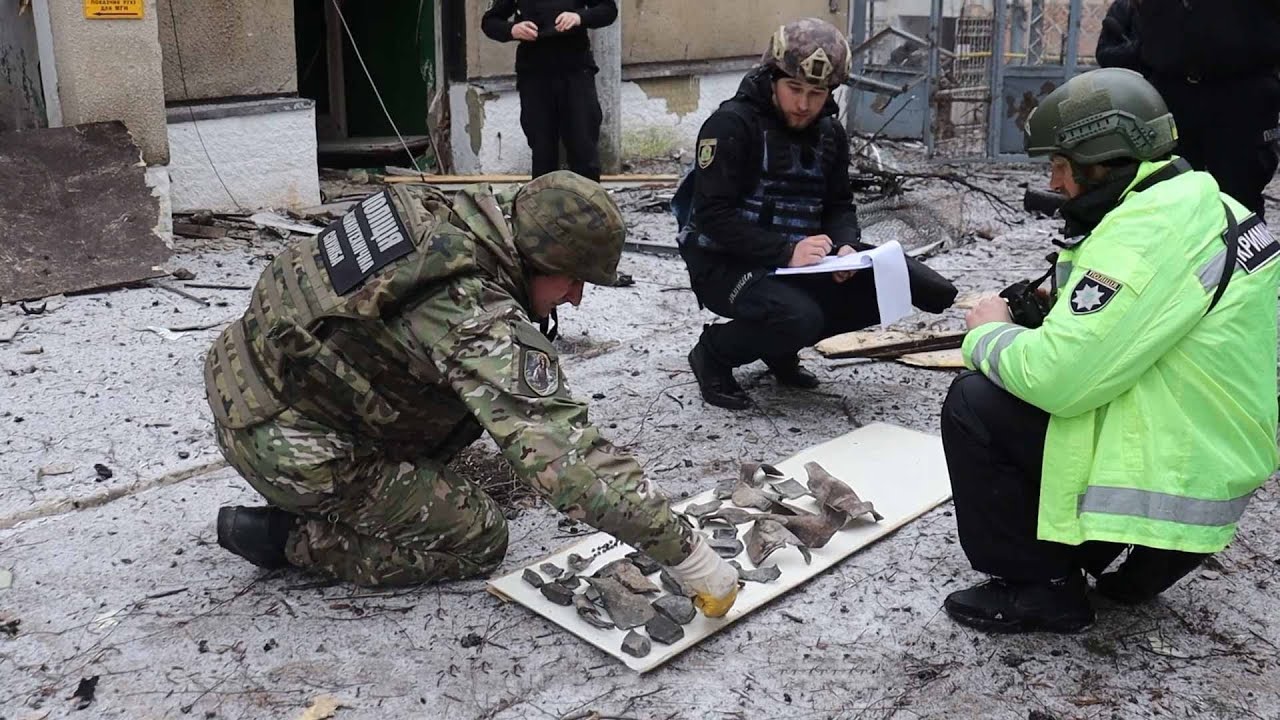
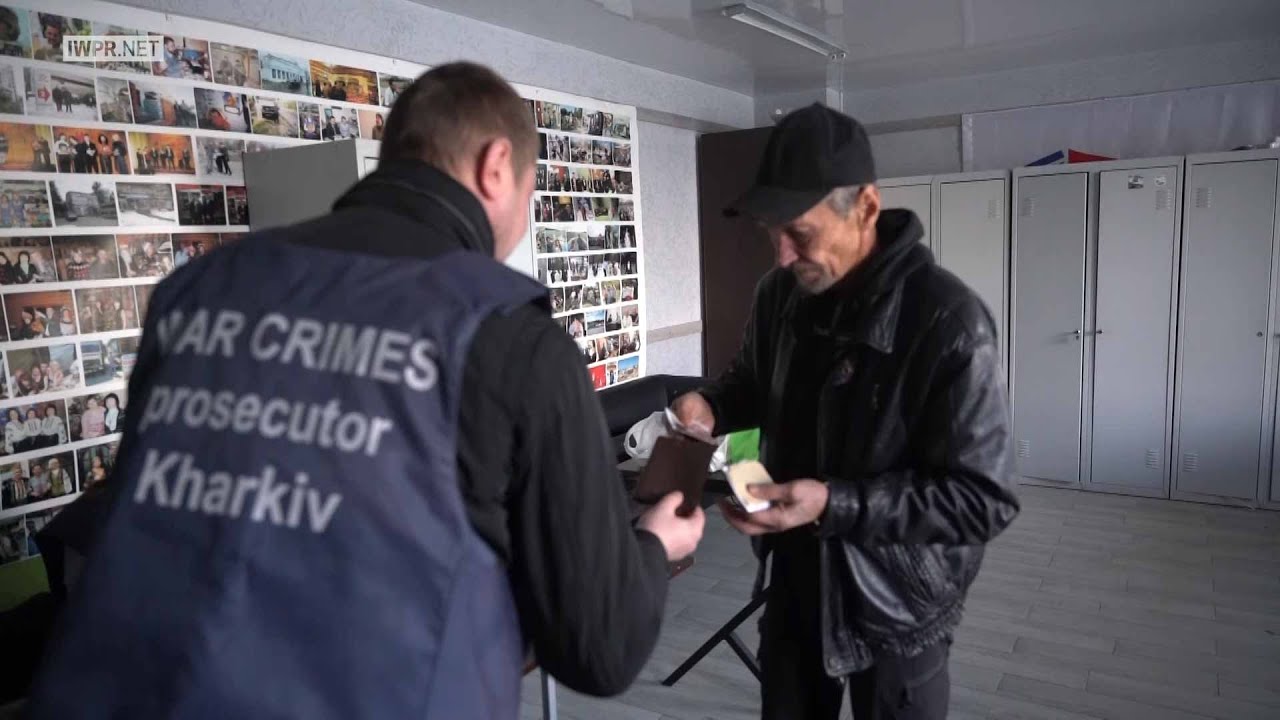
Ukraine Justice: “Reporting the Story is Just the Start”
Journalists need training and support to properly cover war crimes trials.
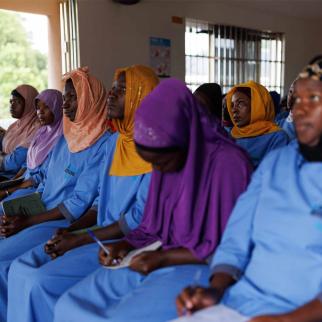
Ugandan Women Pay the Price of Exploitation
Activists warn that vulnerable domestic workers risk abuse, often returning with serious health conditions.

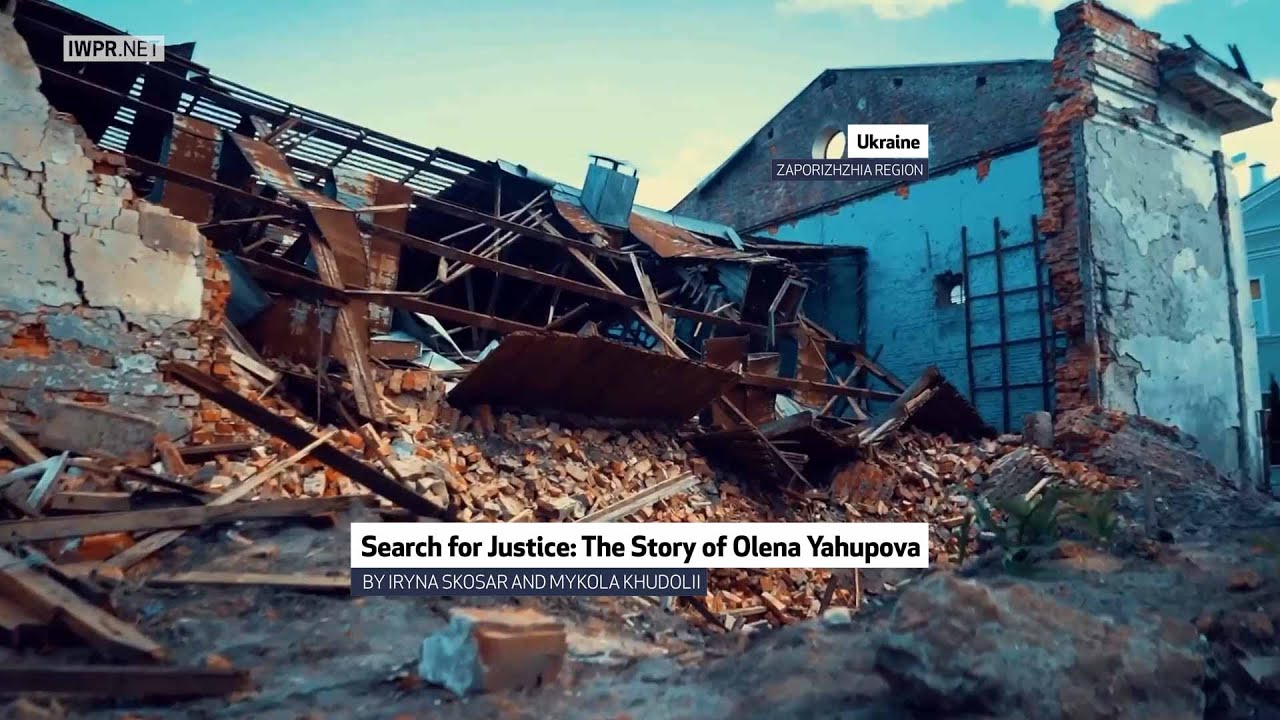
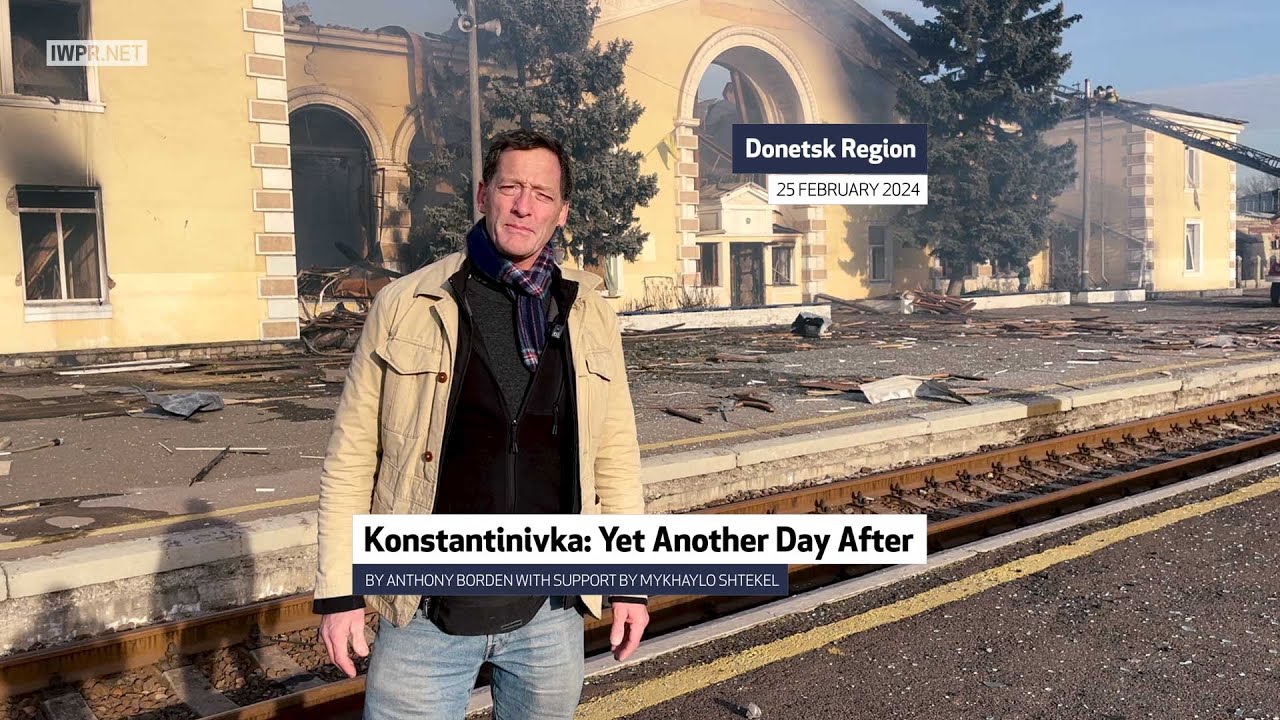
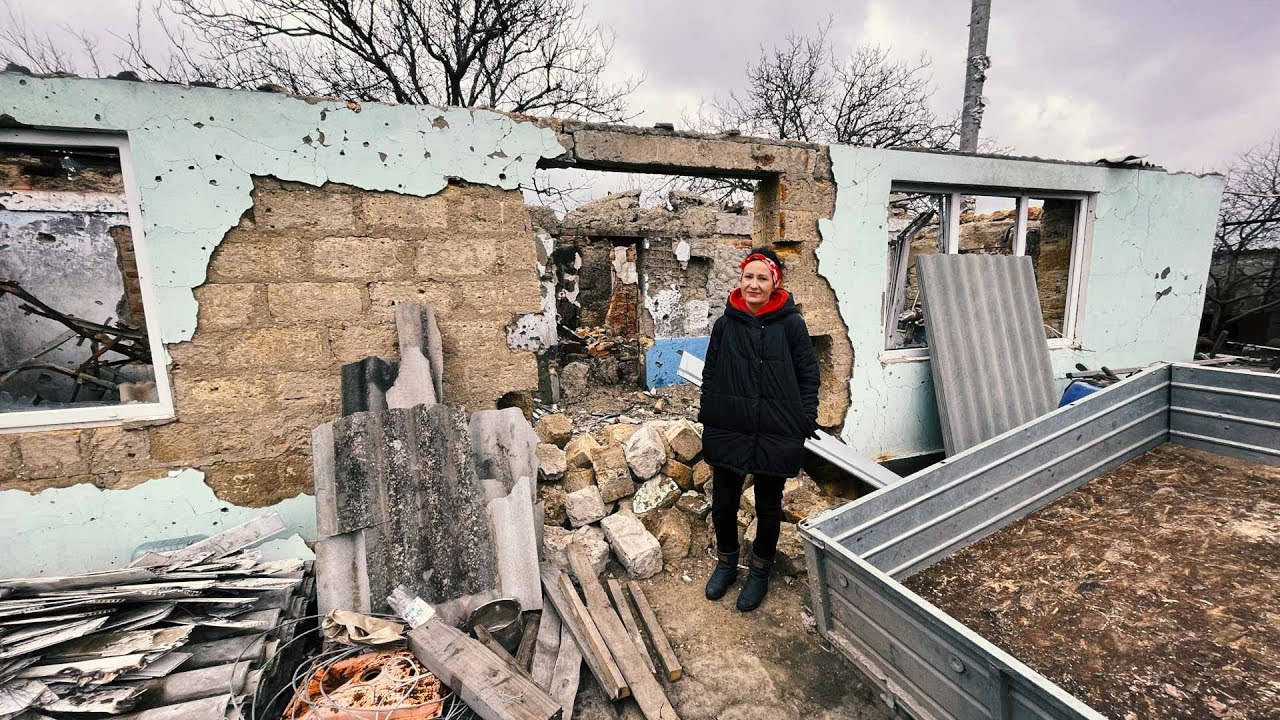
Harsh Victory at Position X
Commitment, sacrifice and luck secured a vital early win in the south-eastern campaign, but can Ukrainian forces press on?

Behind the Wheel in a Macho City
Some women face Adana's male-dominated traffic chaos for a living.

Life in the Shadows for Armenia’s Transgender Community
Recent murder highlights widespread discrimination and violence against LGBTI people.
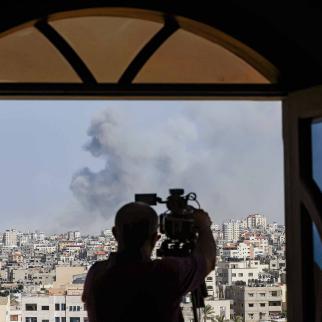
Interview: The War on Disinformation
Open source intelligence (OSINT) can provide facts – but impatient, angry audiences often prefer opinions.