
Child Labour Still Seen as “Tradition” in Uzbekistan
Tougher penalties for using children as cheap labour do not seem to be having much effect, as officials fail to act and families are glad of the extra income.
Kyrgyz Government Backs Microcredits for Farmers
Attempts to boost agriculture funding are welcome, but not enough, say experts. By Asyl Osmonalieva in Bishkek
Kazakstan' Africans Fight for Residence Rights
Long-term residents say they face arbitrary obstructions and barely concealed message that they aren't wanted.
Entry Bans Suggest Kyrgyzstan Closing Itself Off
Four leading activists denied access in the last year and a half.
Turkmen Media Shake-up Draws Scepticism
Local journalists say the president’s call for reform is meaningless unless he is prepared to allow genuine freedom of speech.
Ex-KLA Man in Tribunal Trouble
Brahimaj says he missed provisional release meeting because he was asleep.
Court Hears VJ Not Forced to Fight in Bosnia
Witness says Yugoslav troops could opt out of Sarajevo battle.
Guilty Plea in Lukic Contempt Case
Witness gets three-month sentence after plea agreement.
Witness Tells of Vlasenica Killings
Says he survived by fleeing at night after others had been killed.
Latest
Global Voices: Europe/Eurasia


Frontline Updates Newsletter









Editor's Picks

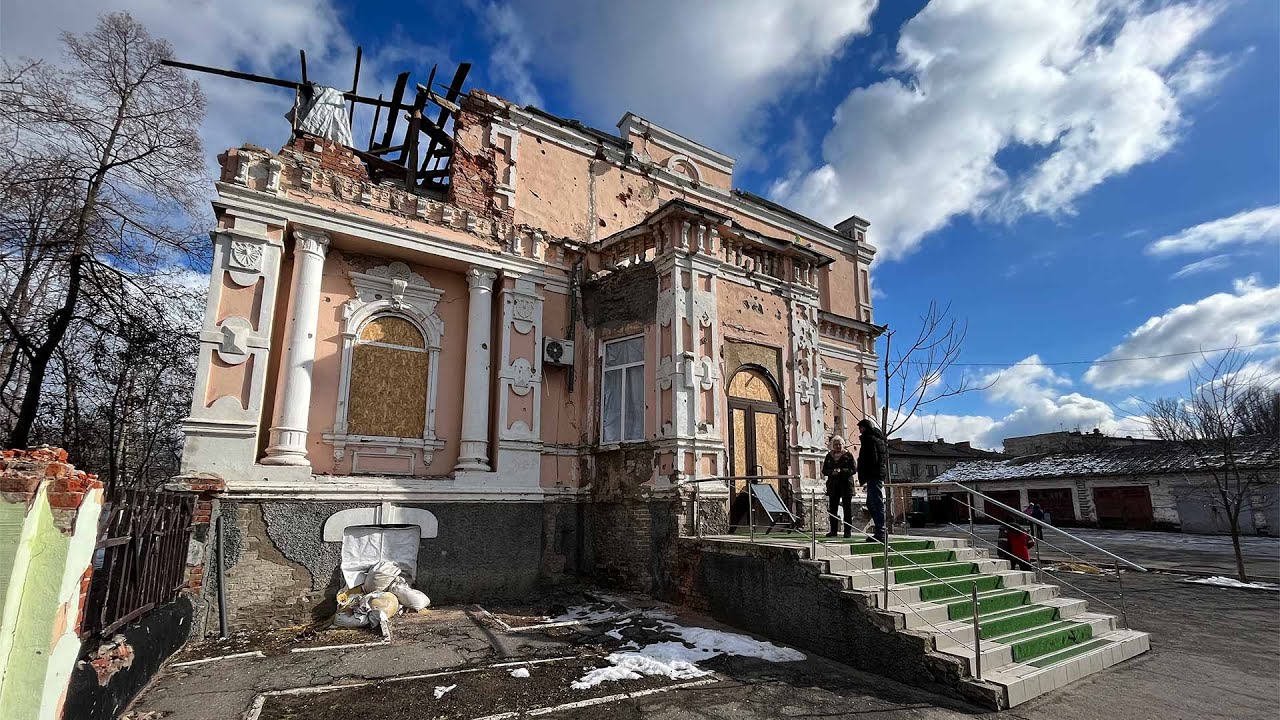
Ukraine Justice: “Reporting the Story is Just the Start”
Journalists need training and support to properly cover war crimes trials.
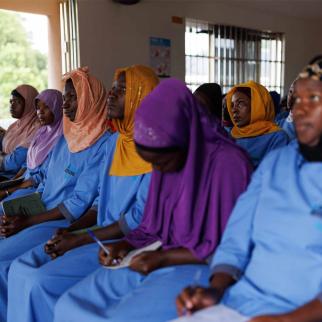
Ugandan Women Pay the Price of Exploitation
Activists warn that vulnerable domestic workers risk abuse, often returning with serious health conditions.

Harsh Victory at Position X
Commitment, sacrifice and luck secured a vital early win in the south-eastern campaign, but can Ukrainian forces press on?
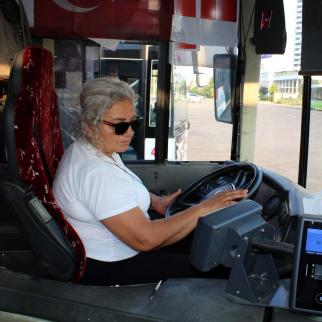
Behind the Wheel in a Macho City
Some women face Adana's male-dominated traffic chaos for a living.

Life in the Shadows for Armenia’s Transgender Community
Recent murder highlights widespread discrimination and violence against LGBTI people.

Interview: The War on Disinformation
Open source intelligence (OSINT) can provide facts – but impatient, angry audiences often prefer opinions.