
Bosnian Serb Leadership Never Had Criminal Intentions
Witness in Karadzic trial claims that wartime government took steps to prevent crimes against non-Serbs.
Appeal Judges' Unprecedented Review of Judgement
Historic development announced after “new fact” comes to light in Sljivancanin case.
Defence Demands Djordjevic Acquittal
In closing arguments, ex-security chief’s lawyer insists client was not responsible for Kosovo crimes, while prosecution calls for life sentence.
More Srebrenica Victims Buried on Massacre Anniversary
Hundreds of newly-identified bodies are laid to rest at fifteenth anniversary of the genocide.
Visegrad Report Inspires Australian Artist
IWPR story about town’s silence over grisly past prompts idea for performance piece on revision and denial of history.
Tajik Hostel Evictions Highlight Unclear Laws
As long-term residents of a worker’s hostel are turned out into the street, legal experts say the right to somewhere to live is overriding.
Official Uzbek Green Group Needs More Even-Handed Approach
State-backed environmentalists happy to criticise Tajik pollution, but not their own government’s actions.
Ganic Hearing Told No Fair Trial in Serbia
Lawyer for former Bosnian leader argues that charges against his client are politically motivated.
Latest
Global Voices: Europe/Eurasia
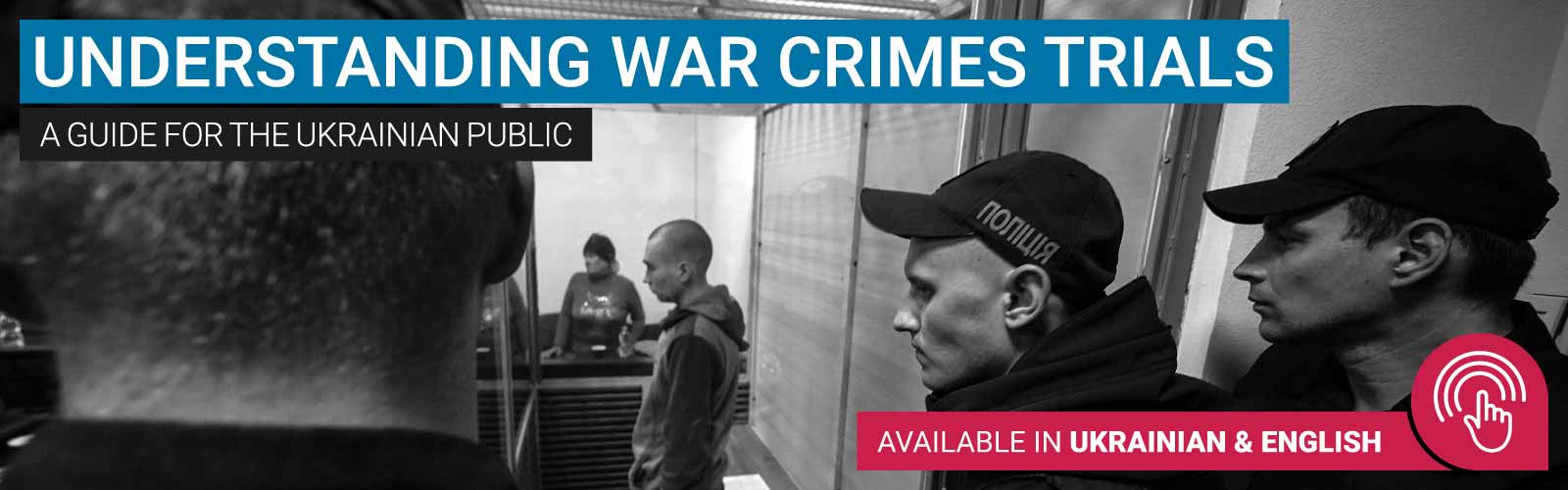

Frontline Updates Newsletter
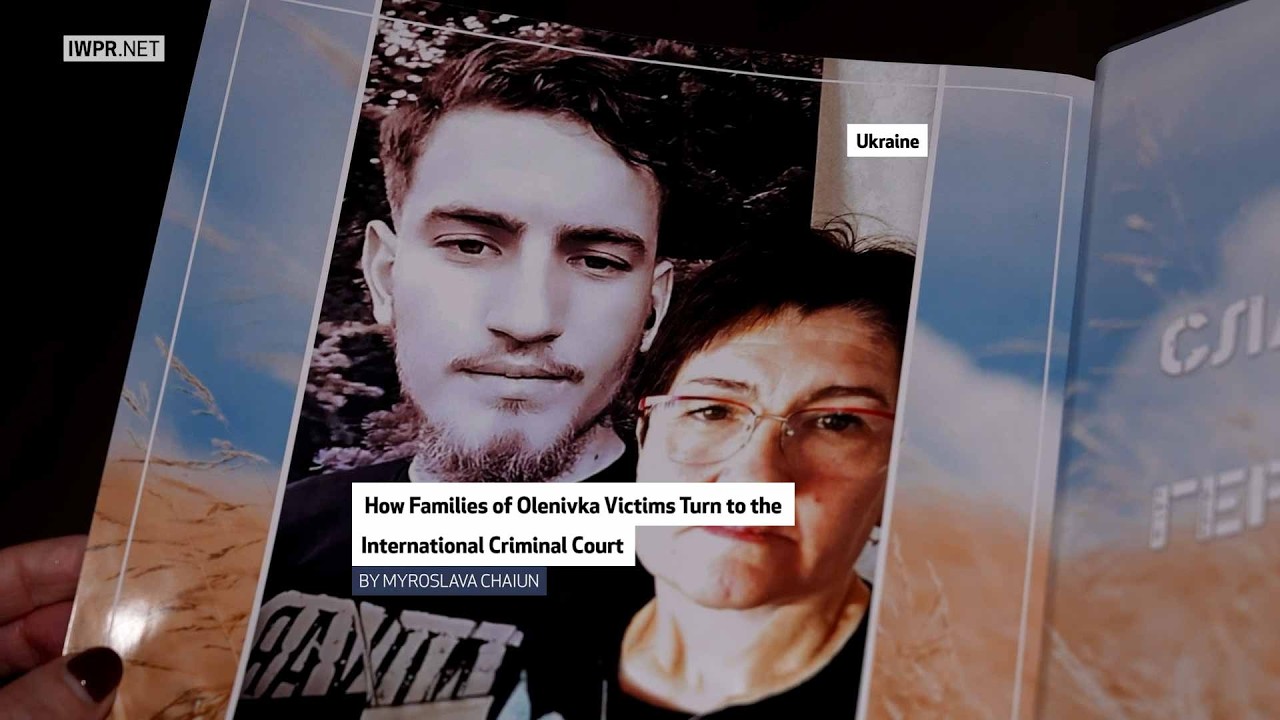
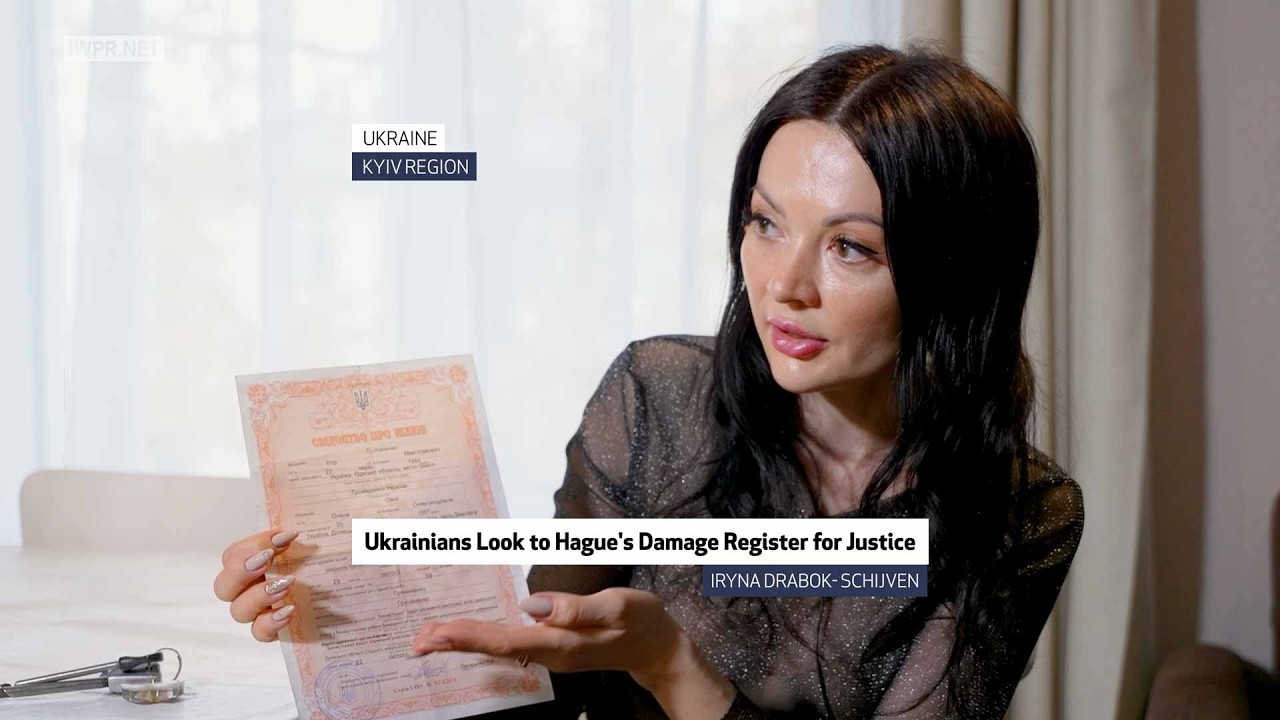
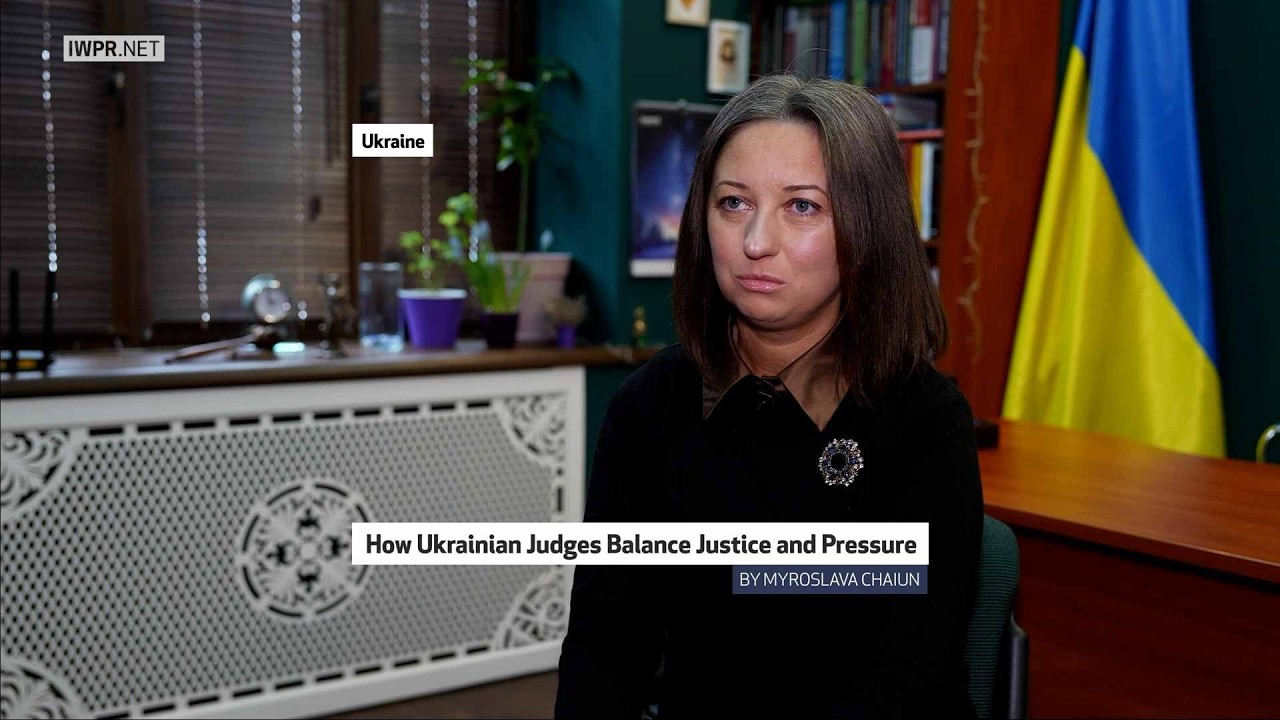




Editor's Picks

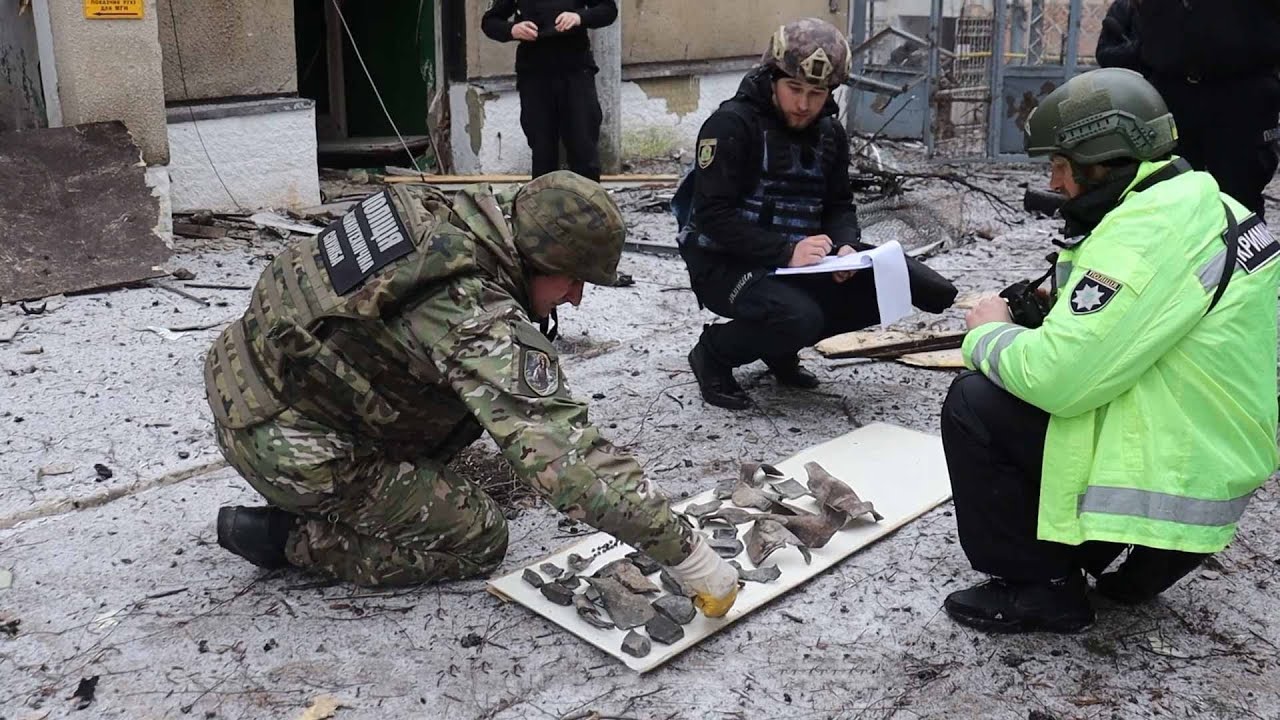
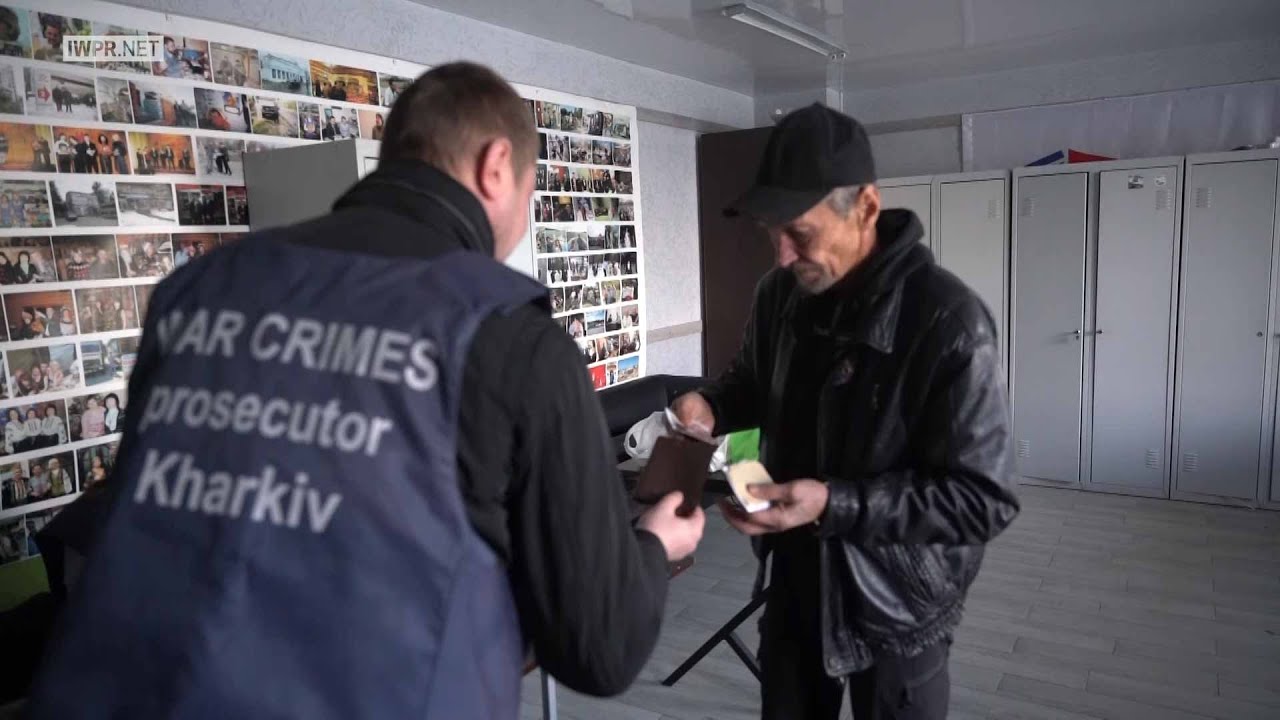
Ukraine Justice: “Reporting the Story is Just the Start”
Journalists need training and support to properly cover war crimes trials.
Ugandan Women Pay the Price of Exploitation
Activists warn that vulnerable domestic workers risk abuse, often returning with serious health conditions.

Harsh Victory at Position X
Commitment, sacrifice and luck secured a vital early win in the south-eastern campaign, but can Ukrainian forces press on?

Behind the Wheel in a Macho City
Some women face Adana's male-dominated traffic chaos for a living.

Life in the Shadows for Armenia’s Transgender Community
Recent murder highlights widespread discrimination and violence against LGBTI people.

Interview: The War on Disinformation
Open source intelligence (OSINT) can provide facts – but impatient, angry audiences often prefer opinions.