
Ukraine: “We Keep Going”
Not one generation of my family has escaped dispossession, deportation and war.
18 Feb 26
Not one generation of my family has escaped dispossession, deportation and war.
The fall of the Assad regime reshaped the political landscape, but did not translate into immediate relief for disaster-affected communities.
In this week’s update, read about how survivors of the devastating earthquakes in Syria are rebuilding their lives.
Is Russia using precarious gas supplies as a tool of political and social pressure against Moldova?
“Even my husband doesn’t know what I wear here or how I dance here. This is my zone of liberation.”
For local women, baking this traditional bread is heritage as well as livelihood.
A rapid innovation boom has been driven by existential needs; but the human toll is enormous.
“We are entering these fields and becoming role models. That’s where real change begins.”
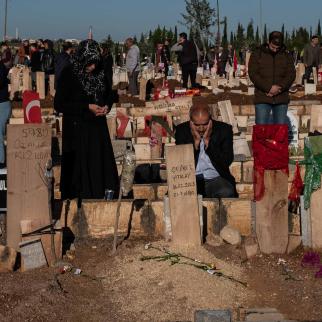
Two years later, many still live in temporary housing and struggle with the disaster’s physical and emotional consequences.
Living alone in a conservative country with high rates of violence against women comes with its own struggles.