
Report Galvanises Efforts to Save Afghan Forests
IWPR story on threat to pistachio trees prompts moves to protect them.
Afghanistan: Apr/May '10
IWPR training gives undergraduates at capital’s university a much-appreciated chance to work on reporting assignments.

Practice Makes Perfect for Kabul Students
IWPR training gives undergraduates at capital’s university a much-appreciated chance to work on reporting assignments.

Outrage at Afghan Boy's Murder for "Collaboration"
Lynching of eight-year-old in Helmand universally condemned, may turn tide of opinion against Taleban.

Taleban Attacks Inflame Anti-Western Feeling
Insurgents see civilian casualties in urban bombings as way of fueling resentment of international forces.
Anger Wells up at Poor Water in Northern Afghan City
Residents say failure to deliver on promise of new wells means water-borne diseases continue to plague Charikar.
Female Suicide On Rise in Herat
Officials report 50 per cent rise in self-immolation and poisoning over last year.

Crime Wave Alarms Balkh Residents
Surge in kidnappings and murder has worried locals in what has been a relatively peaceful province.

Afghan Peace Jirga Scepticism
Critics say that participants are too close to the government and do not represent wider Afghan society.
Latest
Global Voices: Asia
Editor's Picks

Ukraine Justice: “Reporting the Story is Just the Start”
Journalists need training and support to properly cover war crimes trials.
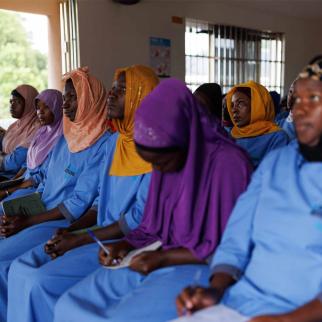
Ugandan Women Pay the Price of Exploitation
Activists warn that vulnerable domestic workers risk abuse, often returning with serious health conditions.

Harsh Victory at Position X
Commitment, sacrifice and luck secured a vital early win in the south-eastern campaign, but can Ukrainian forces press on?

Behind the Wheel in a Macho City
Some women face Adana's male-dominated traffic chaos for a living.

Life in the Shadows for Armenia’s Transgender Community
Recent murder highlights widespread discrimination and violence against LGBTI people.

Interview: The War on Disinformation
Open source intelligence (OSINT) can provide facts – but impatient, angry audiences often prefer opinions.